
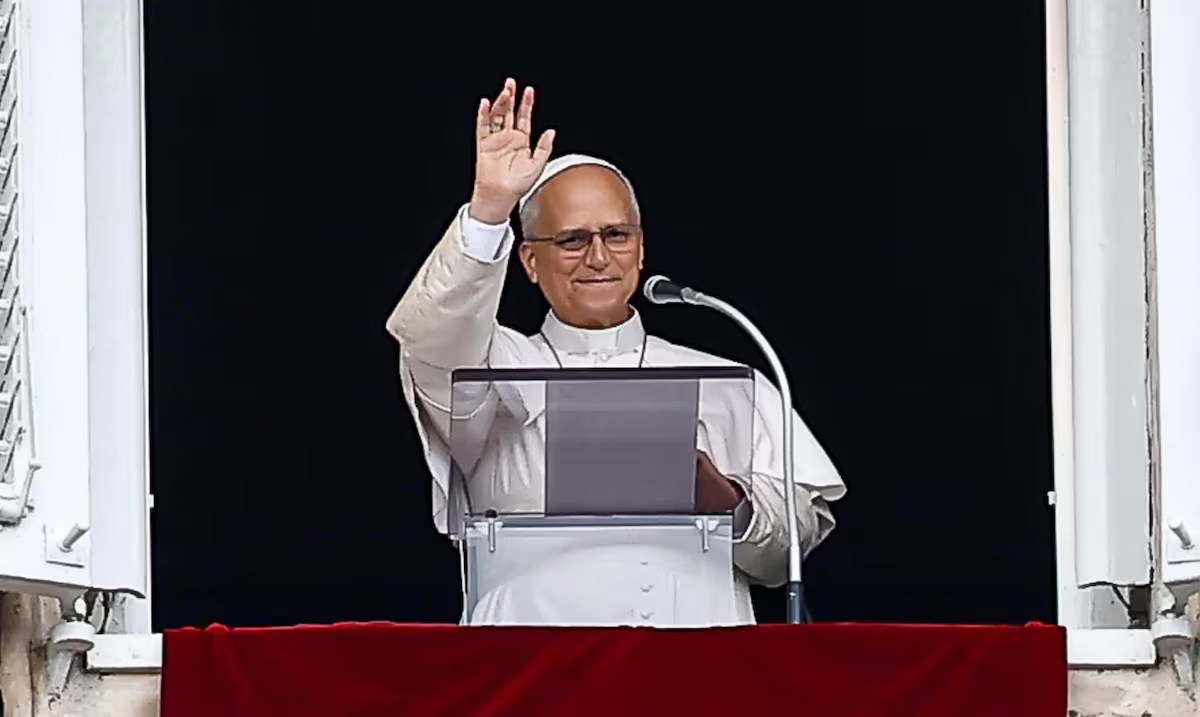
He Pope Leo XIV said on Friday, at a meeting of researchers and experts in artificial intelligence held at the Vaticanthat the “most urgent” challenge is to identify international institutions that put into practice the ethical principles that guide the development of artificial intelligence (AI).
The American pontiff, who has made AI a key priority, noted that the principles are already known, but what is missing are the institutions that can effectively safeguard the global common good.
“This requires shared standards, independent oversight and clear accountability mechanisms, so that decisions regarding the development and use of AI can be scrutinized, challenged where necessary, and accompanied by appropriate remedies for any harm caused.”, he expressed before the meeting.
The meeting was held in the Vatican and was co-sponsored by the Pontifical Academy for Life, the Vatican’s bioethical reflection center, and the Future of Life Institute. It was an opportunity for the Vatican’s internal commission on AI to interact with industry experts.
In his 2026 encyclical on AI, “Magnificent Humanitas”, León called for strong regulation of AI and for its developers to work for the common good instead of profit.
León highlighted many of the encyclical’s key points on Friday, especially insisting that the future of AI is not predetermined and that much will depend on the decisions developers and political leaders make today.
Furthermore, he stressed that machines are tools, not people, and that they should not be given legal status or delegated life and death decisions. But he stated that the “most urgent” thing among all the challenges facing the field of AI is the institutional ethical framework.
This story was translated from English by an AP editor with the help of a generative artificial intelligence tool.