
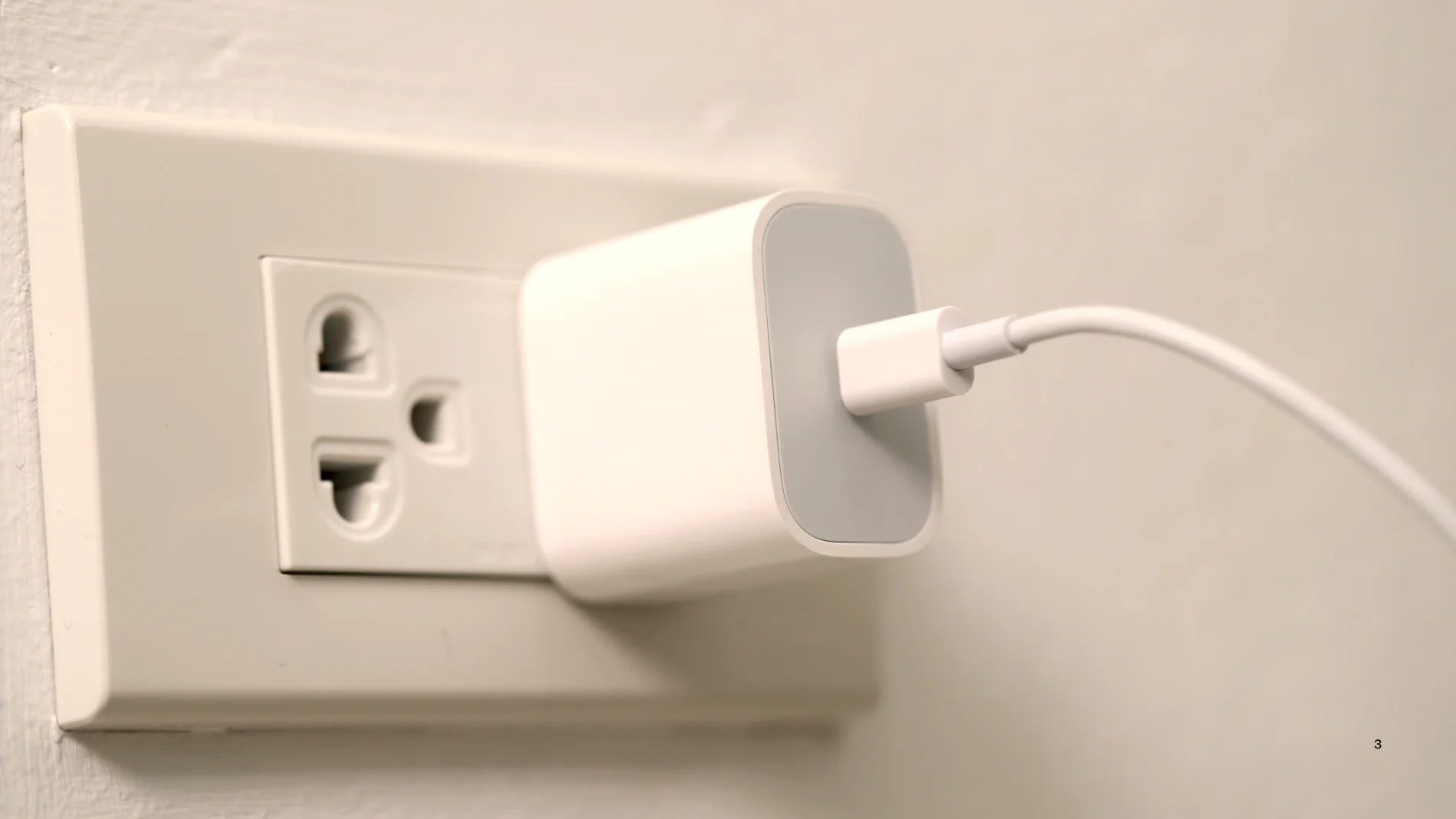
Most people tend to leave their chargers plugged in all day, either for convenience or because they simply forget. But the reality is that this practice can lead to have consequences ranging from excessive and dispensable consumption, to wear and tear of the plug itself..
Modern chargers are much more efficient than those from years ago, but specialists still advise unplugging them when their function is over. And it is not only recommended for the energy savings it represents, but it also compromises the safety of the home and the life of other electronic components.
Why does the charger continue to consume electricity even if it is not charging the phone?
When you disconnect your mobile phone or tablet, but leave the charger in the socket, the adapter remains connected to the mains. What causes this is a minimum consumption that It is known as phantom consumption or standby consumption.
According to various measurements made by various experts, a modern charger without any type of device usually consumes between 0.26 and 0.5 watts. The European Union estimates that keeping a charger connected all year round can represent between 2.5 and 4.5 kWh. This does not mean that your electricity bill will skyrocket due to leaving the charger connected, since the impact it has individually is low. But it does represent wasted energy, especially if several chargers, tablets and other devices are connected at home all day.
Keeping the charger plugged in can shorten its lifespan.
The answer is yes. A charger is not just a simple piece of plastic and a cable. Inside it is made up of capacitors, regulators and transformers that convert direct current for the device’s battery.
When the charger is still plugged in, these components are still exposed to electrical voltageeven if it is not charging. Logically, it will not break down overnight, but permanent use can reduce its useful life over time.
Normally, the main signal is usually heat. When you touch a charger that is no longer connected to a mobile phone and is still warm, it means that it is still receiving power.
Which chargers present the most risks if they remain plugged in
The problem is not leaving a charger plugged in, but leaving one of poor quality or one that is damaged. Original and certified chargers usually have protection against overheating or short circuits.
However, generic chargers, by using more generic materials, increase the risk of failure or excessive heating. The main warning signs about your charger are that it is too hot, that the adapter or housing has cracks, that the cable is frayed, that it smells burnt, or that it sparks when connected. If any of these things happen to you, it is best to stop using it.