
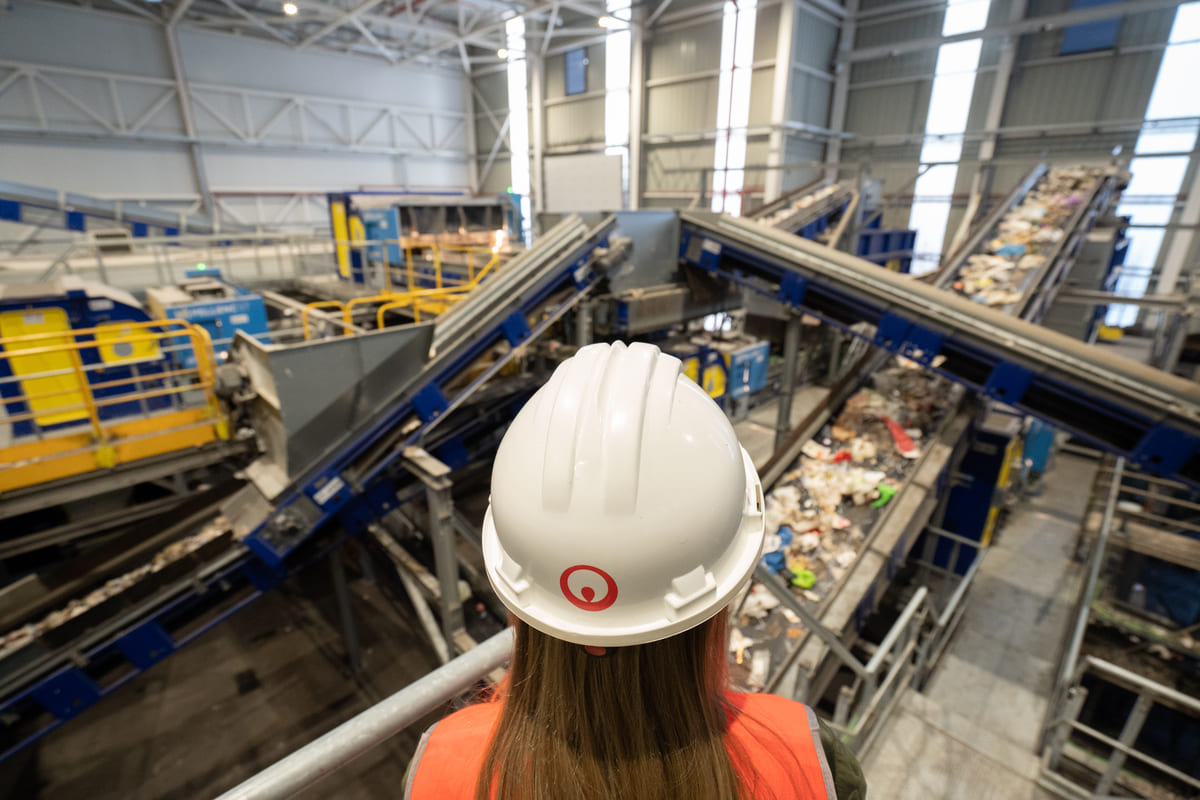
Each May 17 World Recycling Day is celebrated, a date promoted since 2005 by UNESCO that aims to remember the importance of separating waste so that the materials can be used and reincorporated into the production system. This year’s commemoration coincides with a particularly delicate moment: we produce more waste than ever before while the capacity to manage it remains insufficient in much of the world.
According to the report ‘Global Waste Management Outlook 2024’ of the UN, we generate, at a global level, more than 2,000 million tons of municipal solid wasteof which about a 19%. This recycling is key not only so that all this garbage does not end up in landfills, but also to start the circular economy, a model that seeks to reduce waste and the extraction of raw materials. Compared to the “use and throw” scheme, this pattern invites reuse and repair also.
Taking into account the scarcity of raw materials and the increase in energy costs, interest has crossed the borders of the environmental to also be part of the economics and business strategies.