
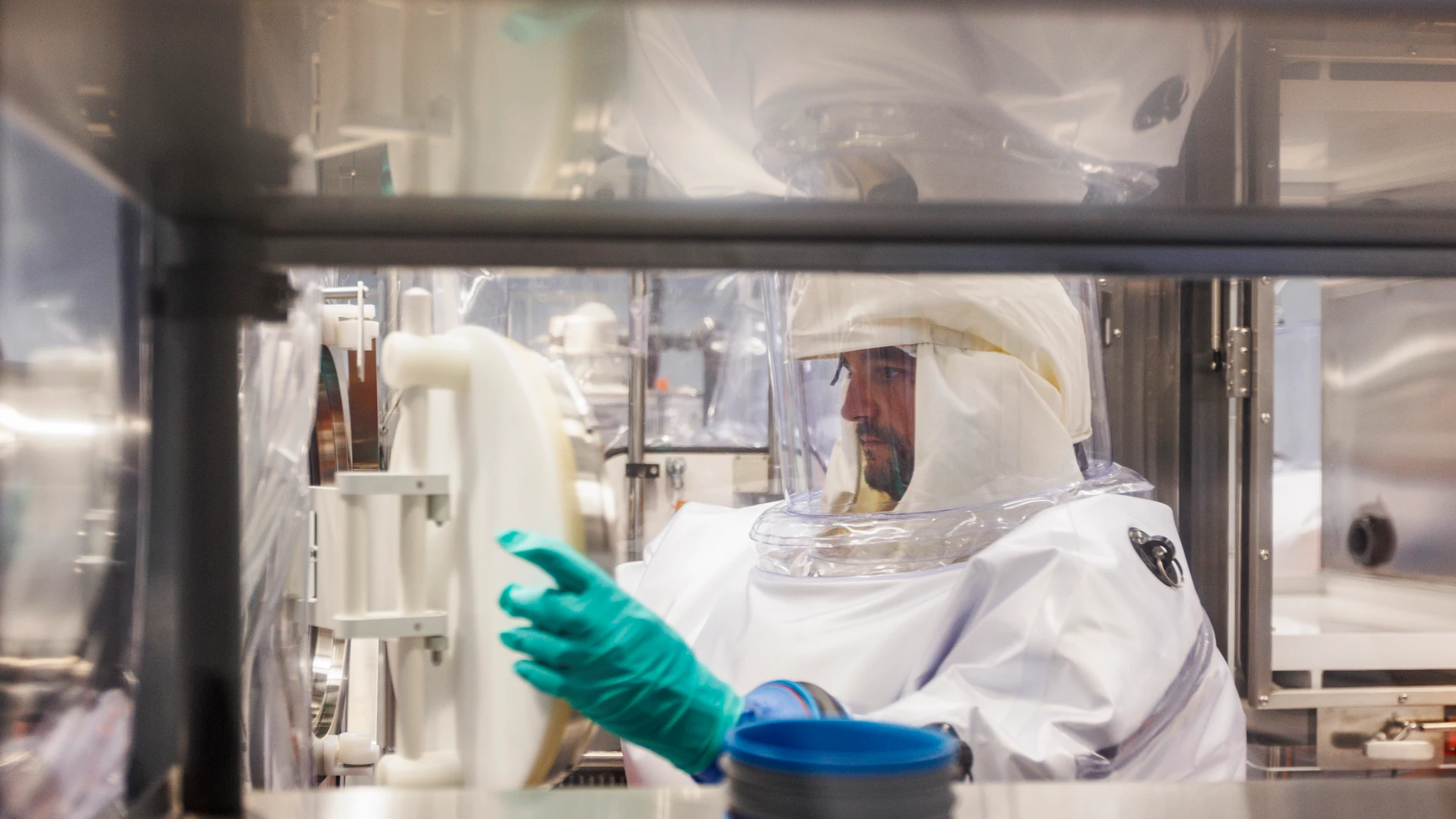
A university laboratory can (or should) seem like one of the places furthest from geopolitics. Test tubes, microscopes, biological samples and students analyzing data. Facts, not opinions. But in recent months, several American research centers have become the scene of something much more tense: a mix of scientific espionage, biosecurity and technological rivalry between the United States and China.
The latest episode revolves around scientists linked to the University of Michigan and a series of federal indictments related to the alleged smuggling of biological materials from China. The case has ended with FBI investigations, arrests, deportations and the closure or dismantling of some laboratory projects. The story seems like something out of a spy novel, but it reveals something much more important: how biology has become a strategic terrain comparable to artificial intelligence or semiconductors.
In this case, two Chinese scientists are involved, accused of trying to introduce a fungus called Fusarium graminearuman agricultural pathogen that affects crops such as wheat, corn, barley and rice. According to the Department of Justice United States, The material would have been hidden to avoid border controls and destined for research in a university laboratory that did not have the appropriate permits.
The fungus is not a minor detail. It causes a disease known as wheat fusariosis or head blight, responsible for billions of dollars in agricultural losses each year. In addition, it generates toxins that can affect humans and livestock. FBI documents they describe it even as a possible “weapon of agroterrorism,” although several experts consider that description exaggerated. From there, the investigation expanded.
In the following months there appeared other cases involving Chinese scientists and undeclared shipments of biological materialsincluding genetically modified worms used in academic research.
US authorities interpreted these episodes as part of a broader pattern: scientists who, under university exchange programs, transported biological materials without following official protocols.But this is where the story becomes much more complex because not all cases seemed equivalent.
Some involved potentially hazardous materials and deliberate concealment. Others, according to lawyers and scientistswere poorly managed administrative procedures that ended up becoming national security conflicts. In fact, several charges related to the alleged smuggling of laboratory worms ended up being retired later by the Department of Justice itself United States. And that has reopened an uncomfortable debate within the scientific community.
For years, the United States promoted the call ((LINK:EXTERNAL|||https://www.justice.gov/opa/page/file/1122686/dl” style=”font-family: Georgia, serif; font-size: 12pt;”>))a program aimed at combating technological espionage and intellectual property theft linked to China. However, The project was criticized by numerous academics and scientific organizations, who denounced racial profiling and an atmosphere of permanent suspicion. towards researchers of Chinese origin. The program was officially canceled in 2022, although many scientists maintain that the climate of surveillance continues.
And there appears one of the great paradoxes of modern science. Today’s biomedical and genetic research is deeply dependent on international collaboration. American laboratories have been feeding on talent from China, India, Europe and Russia for decades. In biotechnology alone, thousands of foreign researchers work in North American universities and centers. But at the same time, those areas have become strategic technologies.
Synthetic biology, genetic engineering and microorganisms are no longer just medical and agricultural tools. Not even economic, they are also military. And that has transformed some university laboratories into spaces under increasing political and intelligence surveillance. The interesting thing is that this case reflects a deeper change: the transition from the “chip war” towards something similar to a “biological cold war.” Not in the classic sense of biological weapons, but in the control of knowledge, research chains and scientific infrastructure.