
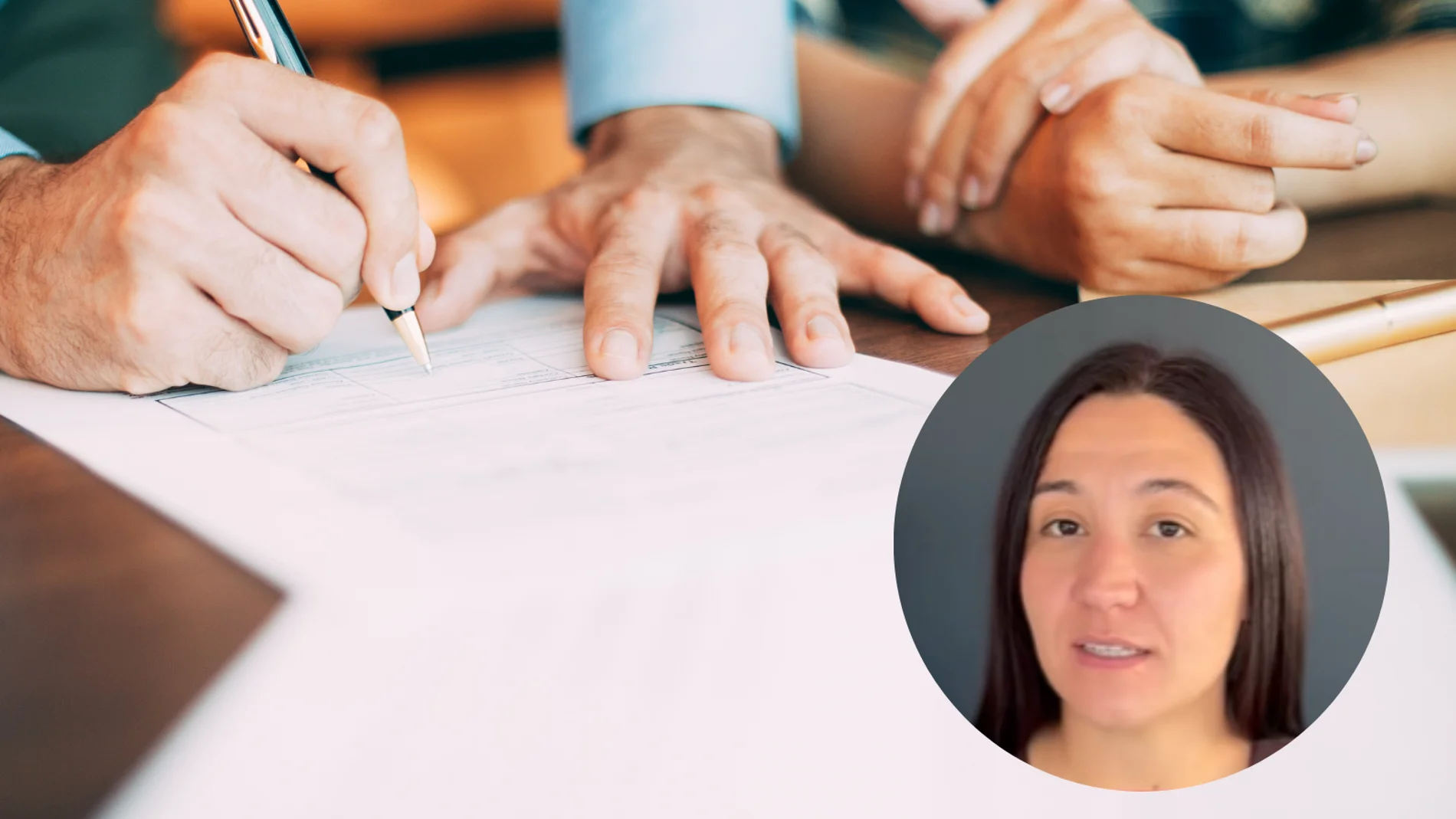
In the complex process of receiving an inheritance, numerous problems may arise that end up blocking it. Although the most common thing is that this occurs due to conflicts between the heirs, it can also be due to a lack of money to cover the expenses related to taxes, lawyers and notary. However, few know that the deceased’s account can be used for this.
On certain occasions, when the heirs do not have enough savings to meet the costs of accepting an inheritance, it is usually blocked for years. And in the worst case scenario, the successors decide to renounce the assets that the will granted them simply so that this money does not end up in the hands of creditors.
It is important to know that there is no clause that can prevent the heirs from having to pay the inheritance tax and the rest of the taxes related to the assets received. Although there is a way to unblock the deceased’s bank accounts to being able to face all the expenses involved in accepting an inheritanceas lawyer Sheila Galiano Gómez explains well.
Your bank decided to block the accounts to avoid conflicts
On the TikTok account of the Galiano Rubio Abogados law firm, the lawyer explains one of the cases that came to her office, and that is quite common in this type of process. The deceased’s bank had blocked his bank accounts, where the inheritance money was located, for two reasons: “so that any conflicts that the heirs might have would not harm him and to avoid responsibilities with the Treasury“.
Due to this, the two brothers and heirs of the deceased’s estate could not meet the costs of accepting the inheritance. A process for which they needed the money that was in the accounts to prevent it from being blocked indefinitely. For this reason, they decided to go to a lawyer specialized in Inheritance Law.
Galiano assured them that they could unlock the bank accounts and use them following a specific procedure. First of all, they had to bring the necessary documentation: the death certificate, which can be obtained from the Civil Registry; the Certificate of Last Will, to prove that there is an official will; and a copy of the will or the Declaration of Heirs.
A public deed before a notary is required
Thanks to this, the team of lawyers was able to know the exact amount that was deposited in the accounts. However, it was necessary to continue with the process. “Later, we made a document signed by all the heirs in which they accepted the inheritance and we detailed How was the money in the accounts going to be distributed?“explains the lawyer.
The most common thing is that this type of document is a public deed before a notary, although a private agreement between the heirs would also work. In the case of being the sole heir, lawyers remember that it may not be necessary to pay the deed, since what is known as the sole heir instance could be applied. Nevertheless, This would have to be consulted with the lawyer handling the case..
Inheritance tax must be settled
Along with this document it was necessary to include proof of payment of Inheritance and Donation Tax (Form 650) or the exemption certificate, in case the payment of taxes does not correspond. With all this documentation, the team of lawyers managed to unblock the bank accounts. “Besides We got them to keep the same account number in the names of both brothers and they saved themselves all the trouble of changing receipts.
However, it is important to take different factors into account. First of all, know that, if it was a joint account, only the percentage that corresponded to the deceased can be released and, if the heirs do not agree on the distribution of the money, the bank will not agree to unblock the accounts. In addition, some entities charge a commission of between 100 euros and 300 euros.