
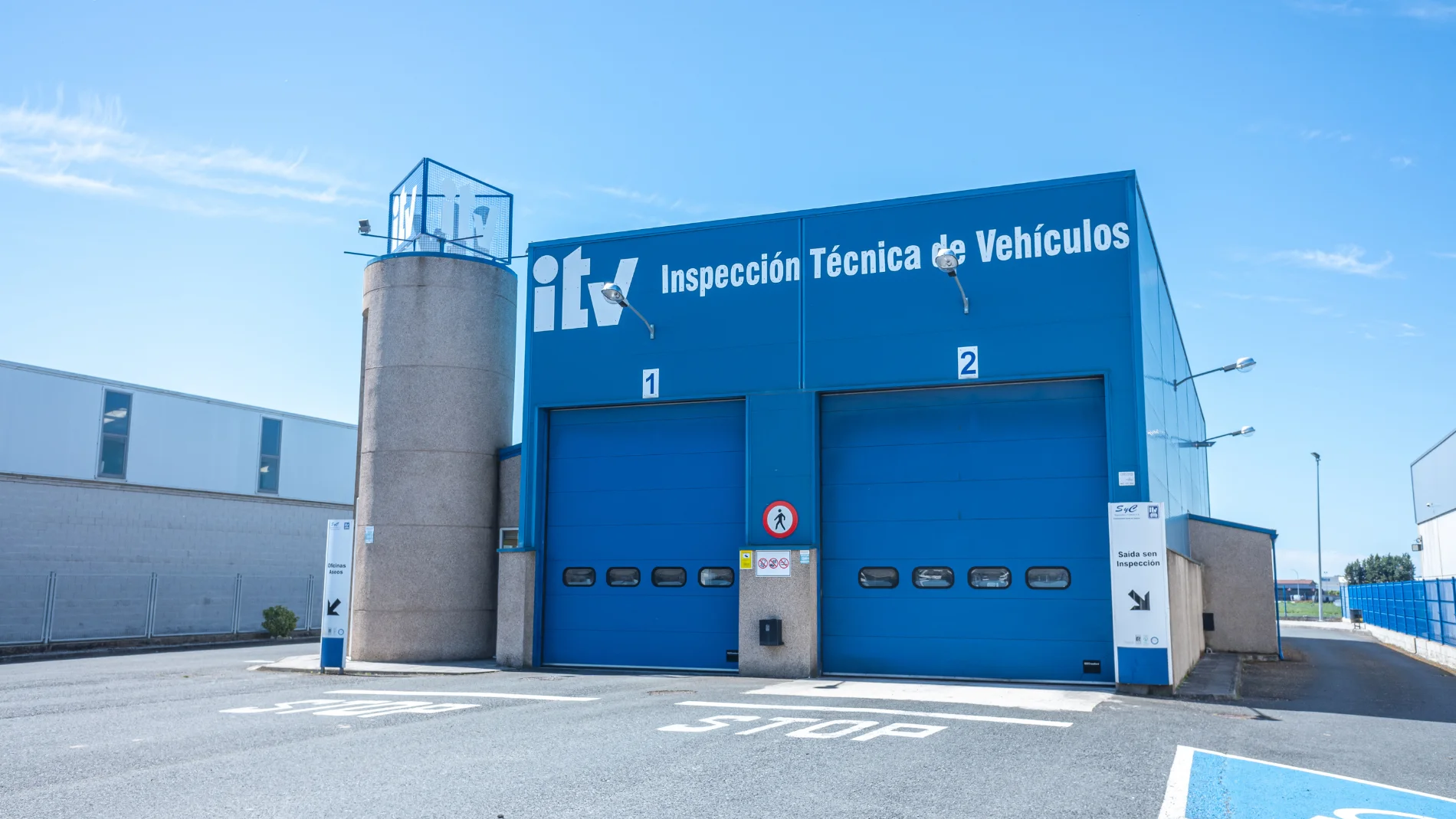
As has been announced in recent months, The Council of the European Union will vote this week a new set of measures with the aim of updating the processes of “vehicle technical inspection”. This package of measures has the objective of strengthening the ITV process and updating its standards, from 2014, to new technologies and a wide range of emissions. One of the measures most anticipated by drivers are those related to ADAS systems and that coincides with the process of incorporating measures for yellow B label vehicles.
The EU seeks to strengthen its measures to reduce emissions of polluting gases into the atmosphere. Beyond the Auto 2030 Plan and the Low Emission Zones, which They seek to prohibit the sale of passenger cars and combustion vans from 2035 and reduce the circulation of yellow B label vehicles from 2028; This new package of standards will seek to more accurately measure the emissions of nitrogen oxides (NOx) and the number of particles (PN).
This reinforcement has the objective of improving the detection of polluting vehicles and identify failures in their cleaning systems in the most modern cars. This will reduce polluting emissions caused by both old vehicles and new models that may present certain deficiencies due to manufacturer error or by its configuration. Some processes that the ITV must incorporate in its reviews.
A temporary technical inspection certificate will be created with a validity of six months
In addition, the standards for driver assistance systems (ADAS) will be adapted and the incorporation of the remote sensing conceptalways as a voluntary measure. This measure seeks to increase the effectiveness of measurements of polluting gases and noise caused by the vehicle in motion and without stopping on public roads. With this, it will be possible to detect if the levels produced adjust to those established. This measure will be discussed by the Transportation Commission.
On the other hand, and taking into account those citizens who use their vehicles to travel through the 27, the implementation of a temporary technical inspection certificate. This may be issued by the Member State in which you are located, even if it is different from the state in which you registered. It will be valid for six months in which the vehicle will be able to circulate without problems. Once the deadline has passed, the owner must carry out a definitive inspection in his or her country of origin.
Goodbye to manipulating the odometer; The State will keep a record of each vehicle
Regarding measures to strengthen the fight against fraud, the European Union seeks to end the manipulation of odometers. To do this, he proposes the creation of a national database in which to record the mileage of each vehicle. This registration will be carried out both at the inspection centers and in authorized workshops and manufacturers. A fact that will make it very difficult to adulterate the distance traveled by vehicles.
Likewise, to ensure that drivers carry the necessary documents at all times, the EU seeks to go a step further in the digitization. To do this, it will allow driving certificates to be stored in a European digital wallet thanks to QR codes. A measure that is now available in Spain thanks to the mobile application, miDGT, in which citizens can carry a digitized version of their driving license.
Member States will have a period of three years to implement it.
Despite the reinforcement of the measures, and to avoid an overload of work for the members of the administrations, The current MOT frequency will not be increased. In the case of passenger cars, this must be done four years after the registration of the vehicle and, subsequently, every two years until it turns ten years old and must be attended every year. Likewise, they are also proposing exclude motorcycles in case they include alternative road safety measures.
As a latest development, the vans and commercial vehicles Light vehicles will become part of the road inspection system, with a control objective of 10% with respect to heavy vehicles. Member States will have a period of up to three years to implement the measuresif they are approved.