
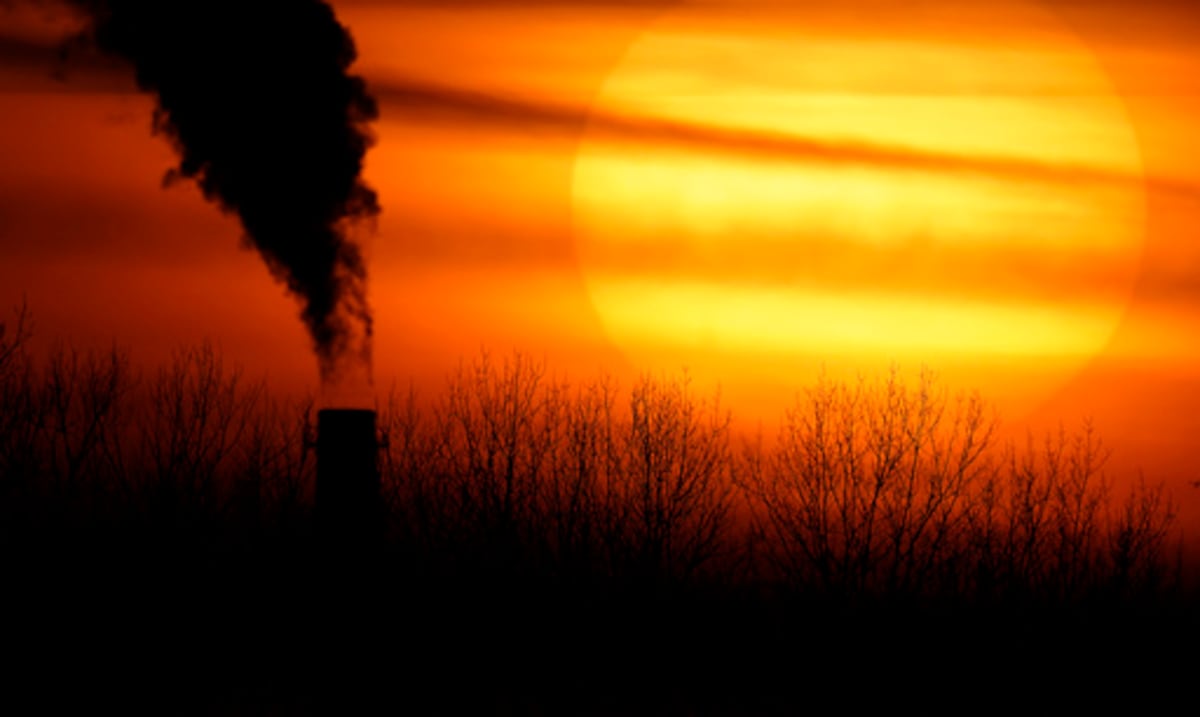
In the next century, the air temperature is expected to increase between 33ºF and 41ºF in the tropical regions and that the soils of these areas are heated at a similar pace, which can have dramatic effects on the terrestrial carbon system and in the climate.
According to a new study, this warming could alter the breathing rates of the soil – the process by which carbon dioxide is released from the soil to the atmosphere – and accelerate the loss of loss CO2 stored in the soils of tropical forests at “considerably” levels than expected or observed so far.
The details of the study, led by the United States Forest Service (USFS, in English)an agency of the International Institute of Tropical Forestry, in Río Piedras, have been published on Tuesday in the magazine Nature.
An “in situ” experiment
Soil breathing plays an essential role in the global carbon cycle, and any change for a small one that can affect the climate of the entire planet.
In turn, tropical forests play an important role, since they exchange more CO2 with the atmosphere than any other terrestrial region.
However, as temperatures are expected to increase in the coming years, it will not yet be well understood how soil breathing will affect, especially in tropical regions.
To try to quantify it, a team of United States scientists led by Tana Wood, of the USFS, an agency of the International Institute of Tropical Forestry, in Río Piedras, carried out an on -site experiment to track how carbon moves through the tropical forests soils in Puerto Rico.
1/7 | Spectacular Arctic images during important scientific trip. The scientist Tiina Jaaskelainen points to a place where there could be an animal from the Nordic MSV breaks as it passes through the Canadian Arctic Archipelago. (AP / David Goldman)
The authors artificially warmed three plots of 12 square meters of sotobosque and soil plants of different heights (lower, medium and upper hillside) to 39 ° F above environmental temperatures.
Then, they tracked the soil breathing rates on these plots against control samples in positions similar to intervals of half an hour during the course of a year. In total, they collected 57,450 measurements.
Soil breathing rates were found between 42% and 204% higher in heated plots compared to control plots, some of the highest soil breathing rates reported for any terrestrial ecosystem.
The additional carbon released by the plots heated per year ranged between 6.5 and 81.7 mg per hectare, varying according to the position of the slope, with the plot of the upper slope releasing the largest amount of carbon.
The team believes that this situation could be due to changes in the function of microbial communities in heated soil, such as changes in their ability to metabolize carbon or changes in the composition of the microbial community, although they believe that it is necessary to do more studies to understand the mechanisms that drive these processes that will affect the long -term climate.
1/7 | Devastating Scene: Corals dead in Puerto Rico by extreme heat and bleaching. Restoled colonies of the coral Venado horn (“Acropora Palmata”) totally bleached and freshly dead during the mass bleaching event of 2024. Extreme temperatures can kill the corals exposed at temperatures higher at their level of tolerance for prolonged periods. This species is protected under the Federal Law of Endangered Species. – Supplied: Edwin Hernández Delgado
Study conclusions
The high breathing rates reported in this study demonstrate the potential of large carbon losses of tropical forest ecosystems in a warmer world.
The results of the experiment show that climate warming could increase soil breathing rates in tropical forests and cause greater carbon losses in tropical soils of what was previously anticipated, with consequences for global climatic projections.
A better understanding of the mechanisms that drive these processes is crucial to evaluate the impact of long -term climate change, the authors conclude.