
Hypertension can progress for years without giving obvious signs. To detect and control it, an isolated measurement is not always enough: blood pressure changes throughout the day and also during sleep. The new Huawei Watch D3 aims to help draw that curve from the wrist, with a measurement system that goes beyond the usual sensors of smart watches. Its CE marking in accordance with European regulations on medical devices also place it in a different category from that of a device designed solely for well-being. And this is one of the most important features of the watch, although it has nothing to do with software or hardware.
The D3 smartwatch has this European Union class IIa medical device label for the medical functions indicated by the manufacturer. It is not a decorative distinction: the European framework establishes safety and performance requirements, clinical evaluation and conformity analysis procedures that depend on the class and characteristics of the device. Class IIa requires the intervention and evaluation of an independent Notified Body to verify its conformity. before obtaining the label and must comply with quality standards and register with competent organizations such as the Spanish Agency for Medicines and Health Products (AEMPS). In short, it is not marketing: it is health and must be certified by nationally and internationally recognized organizations.
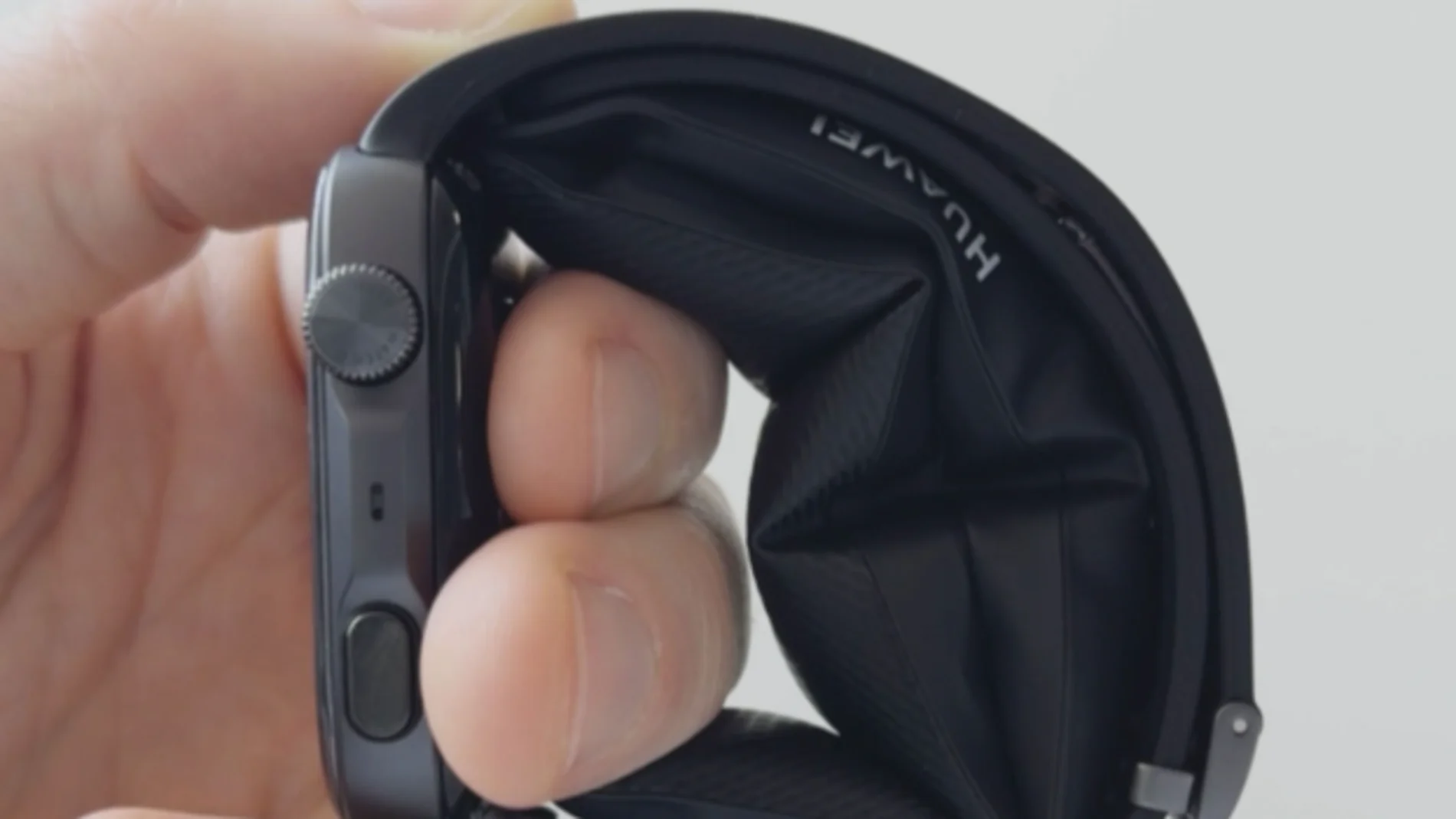
That said, let’s get to the device. The difference starts with the strap. Instead of limiting itself to estimating parameters using optical sensors, the Watch D3 incorporates a small inflatable cuff, a pressure sensor and a measurement system based on the oscillometric method, the same principle used by many conventional blood pressure monitors. When inflated, the airbag exerts pressure on the wrist and allows the oscillations associated with the pulse to be recorded to calculate blood pressure. The technology makes it possible to schedule monitoring for 24 hours, with day and night measurements, and then consult the average values of the systolic pressure (the maximum) and the diastolic pressure (the minimum), in addition to the evolution recorded during that period. And, most importantly, it is reliable and not at all invasive.
The interest of this monitoring is medical. Blood pressure does not remain stable: it can vary with physical activity, stress, rest, or time of day. Therefore, when a professional needs a more complete image, You can use ambulatory blood pressure monitoring (ABPM), which records periodic measurements during a day and night. This procedure helps detect patterns that a specific reading in the office could miss, such as certain nocturnal alterations.
The Watch D3 seeks to bring that experience closer to everyday use. Its system allows you to schedule measurements and generate reports with the results obtained during the day, night and all 24 hours. The challenge is to collect useful information without disturbing your usual activities or rest too much. In Spain there is already clinical experience related to this technology. The Arterial Hypertension and Vascular Risk Unit of the San Carlos Clinical Hospital in Madrid carried out a pilot study with 50 hypertensive patients in which he compared the measurements of the Huawei Watch D2, the previous model, with those obtained through a conventional ABPM system for 24 hours. According to the results reported by the company, both devices offered similar measurements. Additionally, 80% of participants rated the experience with the watch as better or much better than with the traditional system, especially for its comfort and less interference with daily activities and rest.
The nuance is important: the study was carried out with the D2, not with the new D3, but the latest model is more advanced: it also incorporates other health-related functions, such as electrocardiogram and arrhythmia analysis using pulse waves, along with sleep and physical activity tracking tools. Not all of them have medical purposes: Huawei warns that some provide guidance information and should not be used to diagnose or treat diseases.
The clock reaches Spain with a recommended price of 449 euros. Beyond its characteristics, it raises a question that will gain importance as personal devices incorporate increasingly sophisticated measurement technologies: what data can be useful to a doctor and how to make it reliable, understandable and relevant to the patient. Because the real advance lies not only in measuring more things from the wrist, but in obtaining information that helps to better understand what is happening in the body, without confusing health monitoring with a diagnosis. It is a new category that shifts the focus from the smartwatch to the healthwatch.