
In a market led by fast fashion and mass manufacturing, alpaca fiber is presented as an alternative that connects fashion with the textile tradition of the Andes. For many, its value may go unnoticed, although behind this raw material there is much more than technique: there is culture, nature, creative projects and an economic engine that maintains
the memory of the High Andean Peru.
According to official data from the Ministry of Agrarian Development and Irrigation of Peru (MIDAGRI)more than 90,000 producers –mostly small–, guard this livestock heritage over the 4,000 meters altitude. An artisanal ecosystem that, by adding the crafts of shearing, spinning and clothing, extends its vital impact to more than 150,000 rural homes in the Andes.
In environmental terms, alpaca has characteristics that can favor more conscious textile production: it is a biodegradable, resistant, light fiber with a high thermal capacity, properties that allow the production of garments designed to last (in clear contrast to the disposable model of fast fashion). Likewise, its variety of natural colors allows us to reduce the use of dyes in certain processes. Many of the companies that work with these textiles incorporate materials such as organic cotton and opt for traceable alpaca, in order to provide greater transparency about the origin of the raw materials and their production processes.
Beyond the threads
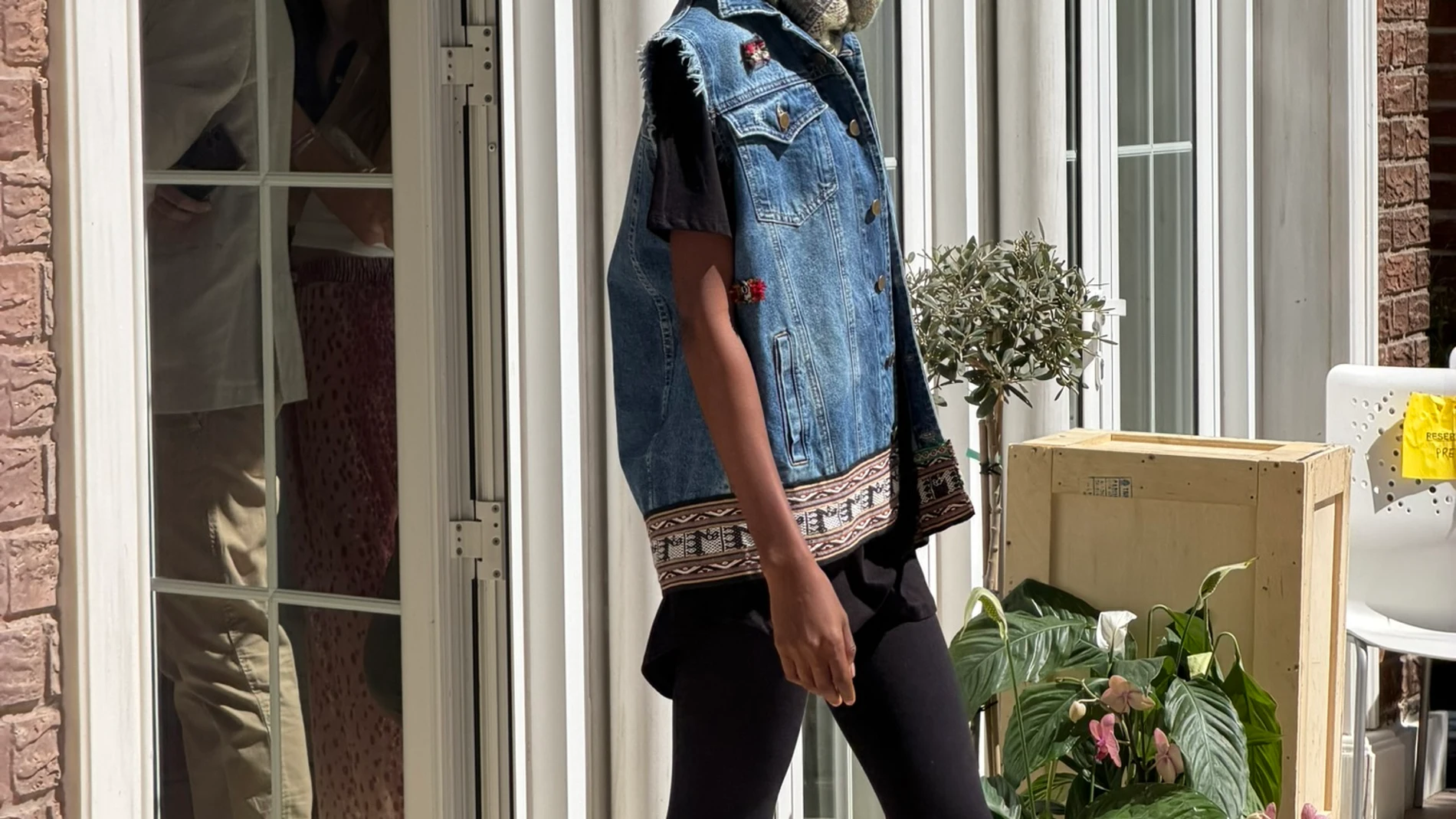
In this context, the alpaca has also become a source of inspiration for creative projects that merge heritage and fashion. Among the proposals that have recently reached the Spanish public, the designer stands out Annaiss Yucra, third generation artisan and recognized by LAFS Social Impact Project.
From its eponymous brand, Yucra has designed a collection that, in addition to having the alpaca as the protagonist, carries a message that articulates its proposal based on the family legacy. As a Peruvian resident in Spain, she wanted to pay tribute to her father and the culture that is part of her identity. Along these lines, he says that his latest creations are born from that cultural heritage that he has received since his childhood and that he continues to carry with pride. Her work in fashion also addresses issues such as migrant identity, resilience and female entrepreneurship.
Likewise, another of these initiatives comes from the Peruvian designer Diego Yamashiro and his documentary “Manos Cusqueñas”. Through this film, the image consultant also seeks to make the craftsmanship visible along with audiovisual narratives and documentation projects. Along with this initiative, Yamashiro develops its clothing line Say Uai, in which he reinterprets Andean iconography through urban aesthetic garments made of cotton and alpaca. Both initiatives, from different perspectives, find a starting point in the textile tradition game to create and tell stories.