
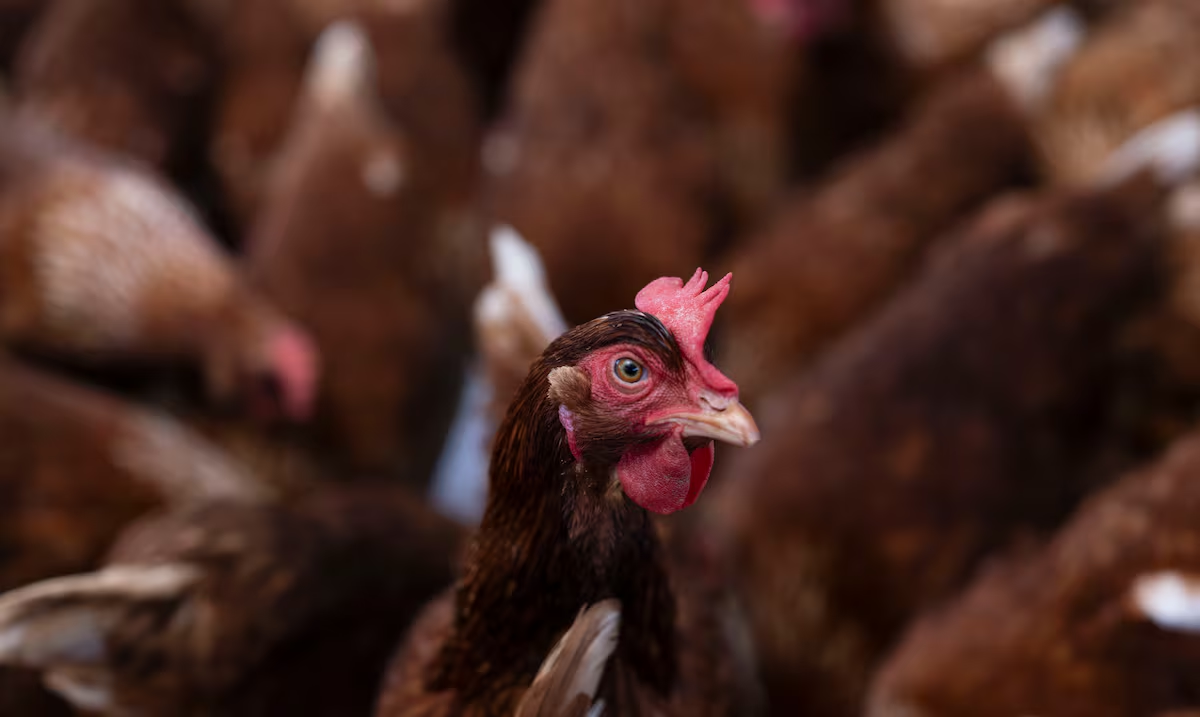
He Department of Agriculture confirmed, on Tuesday, that there are cases of birds infected with the avian influenza virus in Red Cape and in Slabs.
Although it is rare for the disease to be transmitted from animal to human, the Department of Health (DS) began to evaluate people who were in contact with around 20 local ducks and about 30 guinea fowl, among other species that were confirmed infected.
But what exactly is bird flu? These are some points you should know:
What is the flu or avian influenza?
According to the World Health Organization (WHO), avian influenza is a disease caused by the influenza virus that originates in birds and mainly affects these animals, but also mammals, such as cows.
“Bird flu rarely affects humans, but people should stay informed and take recommended preventive measures,” the WHO noted on its official website.
For its part, the DS details that the virus infects the respiratory and gastrointestinal tracts of the aforementioned animals, where it lodges in saliva, mucus and feces before being eliminated.
“Infections in humans with avian influenza viruses can occur when a sufficient amount of virus enters a person’s eyes, nose or mouth, or when it is inhaled,” warns Salud.
What are the symptoms in humans?
For the virus to be transmitted to a human, the person must be in direct contact with infected animals, their secretions (feces, saliva or mucosa) or contaminated surfaces, according to the DS.
“Symptoms vary from mild (even asymptomatic) to severe. Reported symptoms include fever, cough, cold, conjunctivitis, gastrointestinal symptoms and respiratory problems,” adds the WHO.
The incubation period of this disease in humans is two to five days, although Centers for Disease Control and Detection (CDC) recommend monitoring exposed people from the first day of exposure until day 10.
Who is at greatest risk of infection?
People at highest risk of infection are those who work directly with infected birds or livestock. No cases of human-to-human transmission have been reported.
“Seventy human infections due to A(H5N1) have been reported in the Region of the Americas: 67 in the United States (as of April 2022), one in Ecuador (January 2023), one in Chile (March 2023) and one in Canada (November 2024), with one death associated with A(H5N1) infection in the United States,” the WHO detailed.
If someone is infected, what is the treatment?
The Department of Health explains that, in cases of confirmed, probable or suspected human infections, antiviral treatment with oseltamivir should be started as soon as possible.
1 / 15 | Bird flu in cows: the virus that worries scientists in the United States. The outbreak of avian flu in cows worries health authorities in the United States. -Charlie Neibergall
“If influenza A (H5) virus infection is confirmed, it is recommended that close contacts receive oseltamivir 75 mg twice daily for 5 days, as soon as possible; extending the duration in cases of continuous exposure,” reads the agency’s page.
Other general recommendations
For people who work directly with birds and livestock, it is recommended not to care for animals without the necessary protection and also to avoid contact with:
- Skeletons of birds, livestock or other animals that died of unknown causes
- Raw milk (unpasteurized)
- Viscera and udders of lactating dairy cows
- Feces or other animal secretions
- Surfaces and water (such as ponds, drinkers, buckets, canals) in dairy farms or farms with possibly infected animals that could be contaminated with animal waste.