
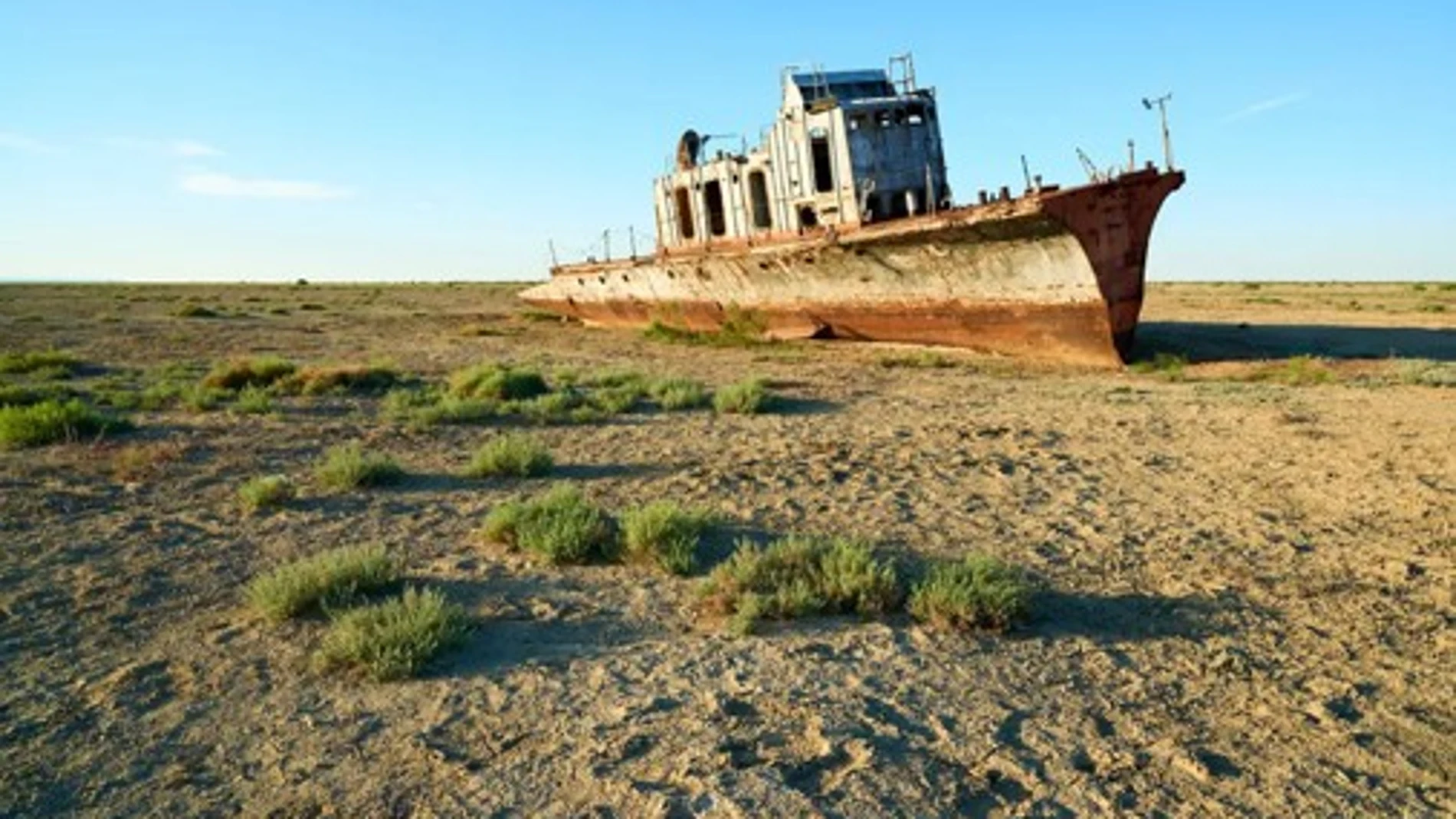
Mongolia, one of the countries hardest hit on the planet by land degradation, has hosted delegates from around the world for two weeks at the 17th Conference of the Parties (COP17) of the United Nations Convention to Combat Desertification (UNCCD). The event, held in its capital, Ulaanbaatar, brought together representatives of the 197 countries party to the Convention, heads of state, ministers, scientists, rural communities, indigenous peoples, young people and representatives of the agricultural sector.
Environmental emergency and security
Under the motto “Restore the Earth, Restore Hope,” the summit has placed soil health at the center of an agenda that is no longer limited to ecosystem conservation. The executive secretary of the UNCCD, Yasmine Fouad, shortly before the start of the meeting proclaimed the urgency of defending the land is “our most vital infrastructure, maintaining food security, water, livelihoods and the stability of communities.” This idea of urgency and vital importance was the backbone around which a good part of the debates revolved, in which it was certified once again that when the land stops producing, rural poverty, displacement and competition for increasingly scarce resources multiply.
The dimension of the problem justifies the tone of urgency. According to the United Nations, degradation already affects up to 40% of the planet’s land and compromises food production, water availability and the economic resilience of numerous countries. Hence, the participants in the Conference sought to transform this diagnosis into concrete agreements capable of mobilizing investment and guiding national policies towards soil restoration, sustainable water management and the protection of rural livelihoods.
Grasslands, water and financing
Coinciding with the International Year of Grasslands and Pastoralists, discussions were also organized around the future of these ecosystems that cover more than half of the Earth’s surface, directly support around 500 million people and provide an essential part of global nutrition. In Mongolia, where nomadic livestock farming is part of the national identity and rural economy, the debate had greater resonance.
Throughout the days of the Conference, ministerial sessions and parallel forums also addressed topics such as water resilience, food systems and the financing needed to bring solutions to scale. The discussion made it clear that climate commitments lose force if they are not accompanied by verifiable economic instruments. Hence the insistence of the participants on attracting public and private capital towards land reclamation projects, regenerative agriculture and adaptation to increasingly frequent droughts.
Attract financing
Despite the lack of regulatory consensus, the summit in Mongolia managed to mobilize up to $1.3 billion for land restoration and strengthening drought resilience in 23 nations. Among other measures, Brazil committed to restoring more than 163,000 square kilometers of land to achieve its voluntary goal of land degradation neutrality by 2030.
Also approved was the launch of the Drought Resilience Investment Fund, the first catalytic capital fund that will use public money to attract private investments for drought resilience and which hopes to mobilize up to 345 million euros. This fund is a joint commitment of the United Nations, the Government of Luxembourg and the International Drought Resilience Alliance (IDRA)an initiative launched by the Governments of Spain and Senegal in 2022.
At this Summit, the IDRA observatory also showed the progress of the first ((LINK:EXTERNAL|||https://eur01.safelinks.protection.outlook.com/?url=https%3A%2F%2Fidralliance.global%2Fsolutions%2Fnew-inde x-aims-change-how-world-prepares-drought&data=05%7C02%7Calucas%40elpais.es%7C96e44acf8195493b743308deee28f6e0%7Cc4fd49f3e15a 44d882e2c909735d2e45%7C0%7C0%7C639210056890160447%7CUnknown%7CTWFpbGZsb3d8eyJFbXB0eU1hcGkiOnRydWUsIlYiOiIwLjAuMDAwMCIsIlAiOi JXaW4zMiIsIkFOIjoiTWFpbCIsIldUIjoyfQ%3D%3D%7C0%7C%7C%7C&sdata=uIgzaHoE%2BZ3a9VbTtmoRqAY%2Bef0TuTtZe7QMwG6zkto%3D&reserved=0″>))data that offers information to help governments prioritize action measures. “We leave Mongolia with more political decisions, a stronger scientific base, innovative financing mechanisms, investment channels and alliances that help bring solutions to scale,” declared the executive secretary of the convention, Yasmine Fouad, at the end of the summit.