
The possible disappearance of Seat as a car brand at the end of 2029 opens a scenario that goes far beyond stopping seeing new Ibiza or León in dealerships. Spain is home to a fundamental part of the company’s industrial structure and thousands of workers depend directly or indirectly on its activity.
According to information published this Thursday by the German economic weekly WirtschaftsWoche, Volkswagen’s board of directors plans to progressively withdraw Seat as part of the extensive cost reduction program being prepared by the German manufacturer. The decision must still go through the supervisory board and cannot be considered definitive.
The objective would be to reduce brands, models and investments and concentrate a good part of the efforts that currently fall on Seat in Cuprawhich has become an increasingly important piece within the group’s strategy.
But if Seat finally disappears, what will happen to its factories and workers in Spain?
The disappearance of Seat does not necessarily mean the closure of its factories
This is probably the main difference that should be taken into account. Seat is a brand, but SEAT SA is the industrial company that currently works with both Seat and Cupra.
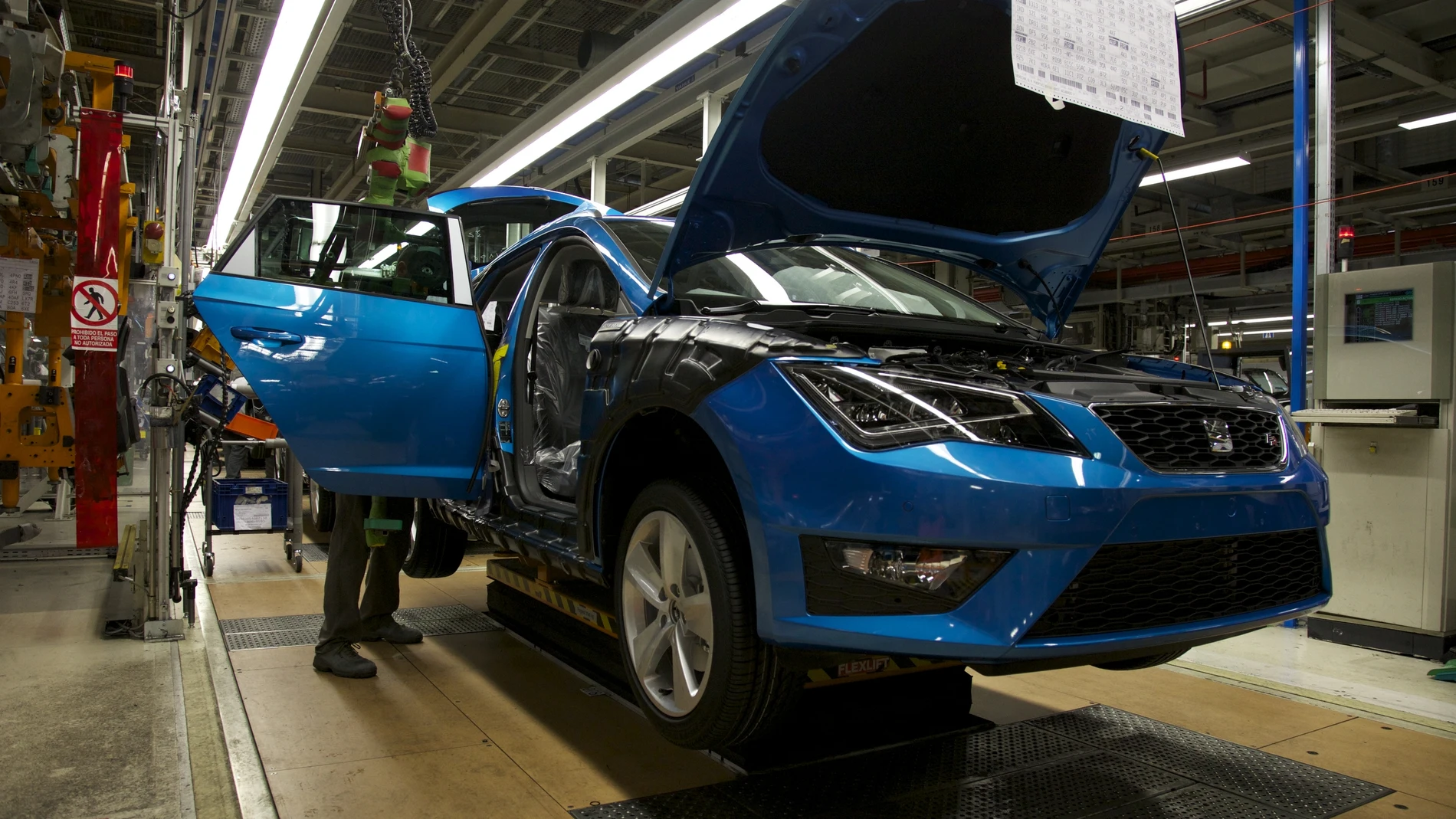
The company is headquartered in Martorell (Barcelona) and from its Spanish facilities it designs, develops and manufactures vehicles. SEAT SA’s own production structure shows the extent to which both brands are already integrated.
In Martorell the Seat Ibiza, Arona and León are currently leaving the production lines, but also the Cupra León and Cupra Formentor, in addition to the Audi A1. The company also has the El Prat de Llobregat components center and other facilities linked to its activity.
Therefore, Volkswagen should progressively remove cars with the Seat logo does not in itself imply that it stops producing cars in Spain.
The change would be more related to which vehicles leave those factories and under what brand they do so.
Cupra could be the key for Seat workers
Volkswagen’s commitment to Cupra It is precisely one of the elements that can determine the labor impact of the operation in Spain.
The brand was born in 2018 as a spin-off from Seat and since then he has progressively gained prominence within the group. The information known about Volkswagen’s plans now indicates that strategic development would concentrate on Cupra while Seat would gradually disappear.
This opens the possibility that an important part of the infrastructure and jobs currently associated with Seat continue to be linked to the production of other vehicles in the group.
Martorell is already a good example. Seat, Cupra and Audi models currently coexist in the same facilities, Therefore, the factory does not depend exclusively on the commercial continuity of the historic Spanish brand.
Thousands of jobs pending Volkswagen plans
The labor dimension explains why any movement regarding Seat has special importance in Spain.
The information available places in more than 15,000 people employed by Seat, while the company maintains an important industrial structure around Barcelona.
Added to this is the presence of the Volkswagen group in Landaben (Navarra)another of its great Spanish facilities.
For now, however, There is no information that allows us to affirm that the disappearance of Seat will cause specific layoffs in Spain. The adjustments that Volkswagen is studying affect the entire group and the known decisions on factory closures focus mainly on Germany.
The supervisory board must analyze this Friday a plan that even contemplates the possible closure of four German plants and new job cuts on a global scale. Workers’ representatives and the IG Metall union have already shown their opposition to the plans promoted by the CEO, Oliver Blume.
Volkswagen prepares a much greater transformation than Seat
The possible disappearance of the Spanish brand is part of a broader problem.
Volkswagen faces a stage marked by competition from Chinese manufacturers, lost sales in China and US tariffs, factors that are putting pressure on the German manufacturer’s results.
The group has been studying a reduction in its structure for months. Among the previously known plans is to significantly cut its offer of models and versions and reduce its productive capacity to adapt it to lower sales.
The company has its sights set on 2030 to complete much of that transformation.
Will Seat then disappear from Spain?
For now, There is no final decision. What is being proposed is the progressive withdrawal of Seat as a brand, with the end of 2029 as the horizon, but the plan still must overcome internal steps within Volkswagen.
And even if it finally goes ahead, it would not necessarily mean the end of the Spanish factories or SEAT SA.
For Spanish workers, therefore, the decisive question will not only be whether the Seat logo disappears from new cars from 2029. It will be What models does Volkswagen decide to allocate to its Spanish plants and what role does it reserve for Martorell and the rest of its industrial structure within the group?.