
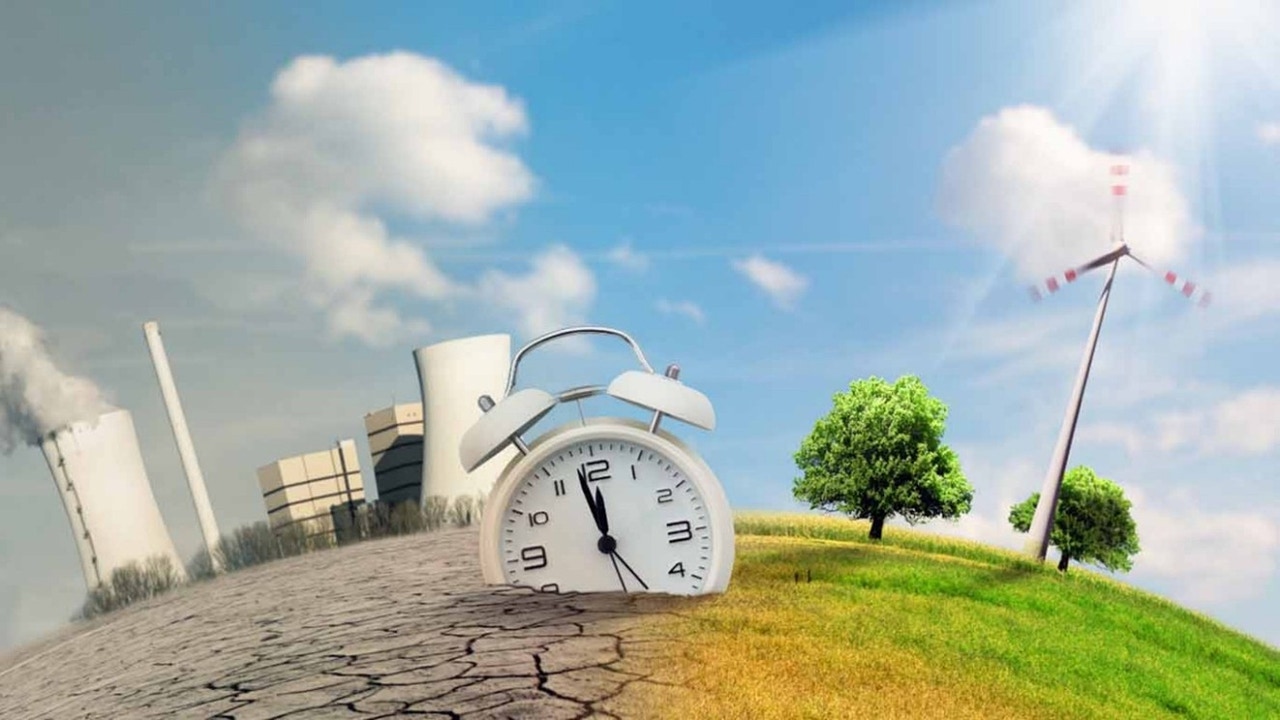
Despite the historic progress that the renewable energy sector has experienced in 2024, the world is far from meeting the goals set at COP28 to limit global warming and guarantee a fair and effective energy transition. The recent report from the International Renewable Energy Agency (IRENA), supported by the Brazilian COP30 Presidency and the Global Renewables Alliance (GRA), exposes a worrying reality: the current pace of renewable expansion, although unprecedented, is still not enough to achieve international climate goals.
The year 2024 has been a historic milestone for renewable energies. Global installed capacity has reached a record, driven mainly by the expansion of solar and wind energy. According to the IRENA report, net renewable capacity increased significantly, exceeding, for the first time, 3,500 GW globally. China, the United States and the European Union led this growth, with massive investments in clean technologies and large-scale projects.
Accelerate renewable growth
The International Renewable Energy Agency warns that, maintaining the current trend, only 60% of the objective of tripling renewable capacity in 2030 will be reached. The main causes are insufficient investments, regulatory barriers in many countries and the slowness in the modernization of electrical infrastructures. For this reason, the Brazilian Presidency of COP30 has stressed the urgency of accelerating the deployment of clean technologies, pointing out the need to make a fair and rapid energy transition without further delay.
In this sense, Francesco La Camera, director general of IRENA, has been categorical, “The record of renewable capacity reached in 2024 demonstrates the potential, but the gap remains considerable. It is essential to multiply efforts and international cooperation so as not to lose the opportunity to limit global warming.” For its part, the Global Renewable Alliance (GRA) insists that innovation and the integration of different technologies will be key to overcoming current obstacles. Everyone is unanimous in the roadmap to follow, solid public policies, financial incentives and strategic alliances.
Advanced and emerging economies play a crucial role in the energy transition. G20 countries, responsible for approximately 80% of global emissions, have the ability to accelerate the adoption of renewable energy through investment and technological cooperation. The G7, for its part, has reinforced its commitments to decarbonize the electricity sector before 2035, prioritizing solar, wind and battery storage. However, the gap between promises and concrete actions remains a challenge, especially in those countries with energy markets dominated by fossil fuels.
Climate finance
One of the most pressing challenges is access to sufficient and affordable climate finance. The IRENA report estimates that it will be necessary to allocate at least 5 billion euros annually to renewable energy projects until 2030 to meet the established objectives. The Brazilian COP30 Presidency has urged multilateral banks and the private sector to increase the funds available, especially for developing countries. Financing must cover not only the construction of new plants, but also the modernization of networks and research in energy storage.
Investment in infrastructure
The growth of renewables depends largely on investment in key infrastructure. Solar and wind power are leading the expansion, but effective integration of these sources requires modern, flexible power grids. Large-scale battery technology and green hydrogen are called to play a strategic role in the stabilization of energy systems and in the decarbonization of sectors that are difficult to electrify. IRENA stresses that investment in smart grids and storage systems must double in the next five years to avoid bottlenecks and ensure energy security.
Building a robust global supply chain is essential for the accelerated deployment of renewable technologies. The report highlights the importance of diversifying the manufacturing of critical components – such as solar panels, wind turbines and batteries – and establishing strategic corridors between producing and consuming regions. International cooperation, based on fair trade practices and technology transfer, will reduce costs and democratize access to clean solutions, especially in emerging countries.
The modernization of electrical networks represents one of the greatest technical and financial challenges. According to IRENA, more than 80 million kilometers of transmission and distribution lines will need to be renewed by 2030, integrating smart management and storage systems. Investment in energy storage – including batteries and hydrogen solutions – is crucial to offset the intermittent nature of renewable sources and ensure the stability of electricity supply. Without a modern and resilient grid, the growth of renewable capacity could be severely limited.
The record reached in 2024 marks a turning point, but data and experts warn of a worrying gap with respect to the objectives for 2030. The urgency of intensifying the energy transition requires multiplying investments, improving international cooperation and modernizing critical infrastructure. The recommendations of IRENA, COP30 and the GRA converge on the need to accelerate technological deployment, expand climate finance and ensure that the transition is fair and inclusive for all regions.