
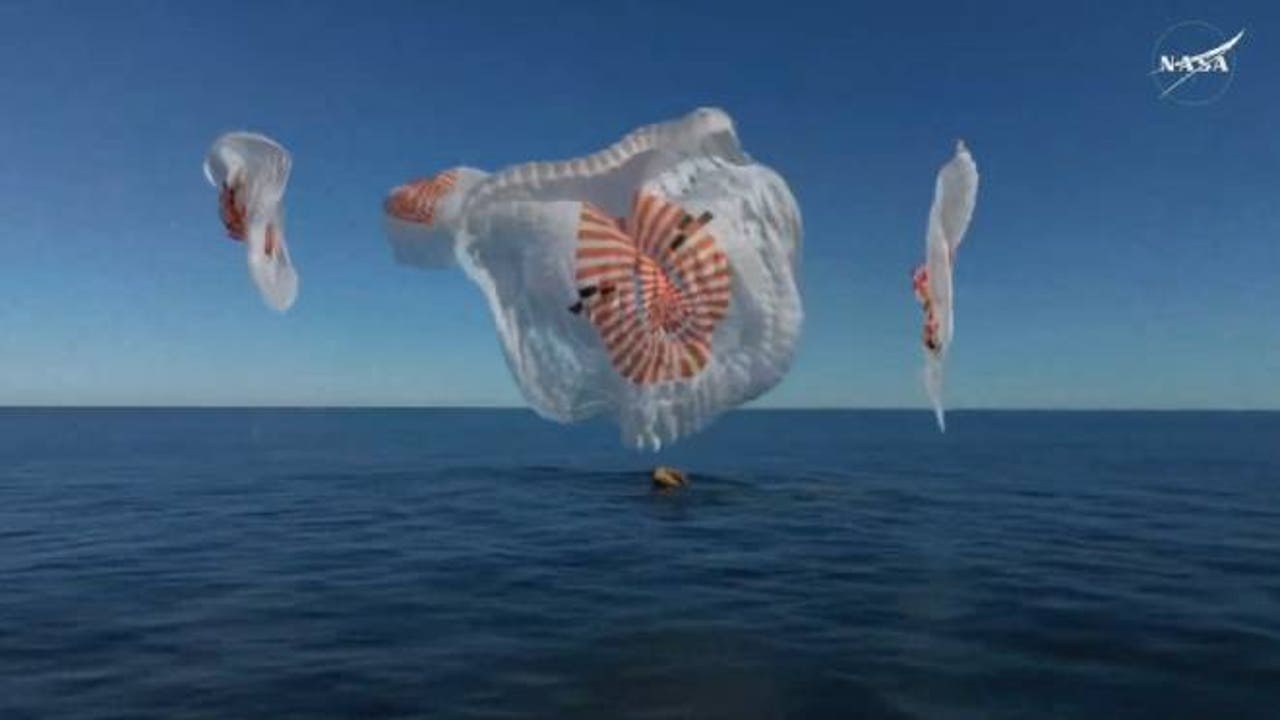
They are already back on Earth, after nine and a half months in the International Space Station (ISS)astronauts Suni Williams and Butch Wilmore. His odyssey began on June 5, 2024, when they took off in a capsule Starliner of Boeingdriven by a rocket Atlas v of United Launch Alliancefor a stay of 8 days in the ISS. Things had begun to twist before takeoff, which was delayed twice, and The technical problems shown by Starliner During the flight they ended up making NASA discard the option that Williams and Wilmore return in the Boeing capsule.
Finally, they have done it aboard the capsule Dragon of the mission CREW-9what he had coupled to ISS since last September. NASA rearranged the schedule of its missions to the ISS and this time the astronauts uploaded Nick Hague and Alexander Gorbunovinstead of the usual 4 crew. The two leftovers were for the return of Williams and Wilmore. Once the next mission arrived, CREW-10, last Sunday, the CREW-9 Dragon capsule has been able to start its return.
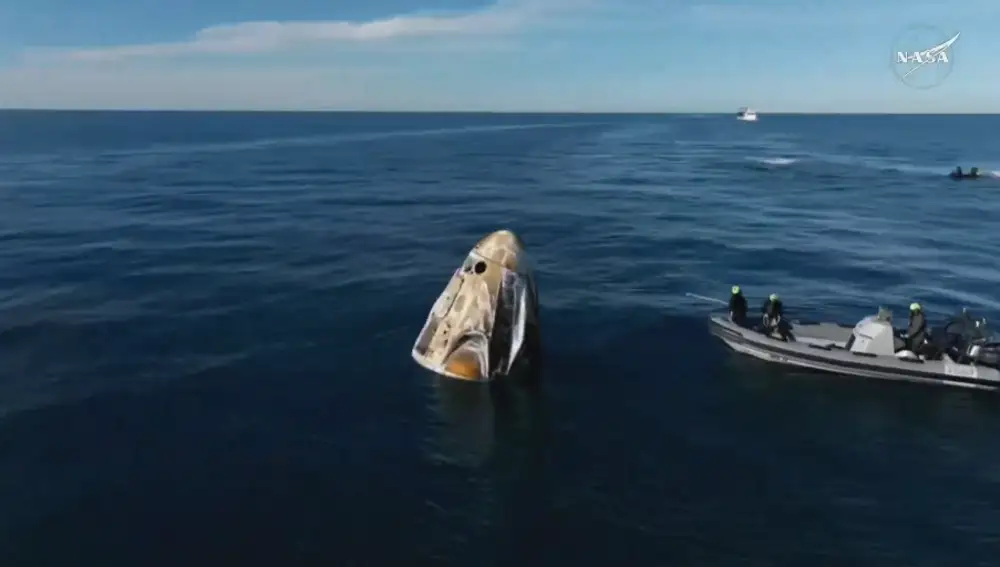
The reentry in the atmosphere has begun at 22:11Spanish time, after a trip that began at 06:05 This Tuesday. Has occurred at a speed of 27,000 km/hour and at 22:57 have merited in the Gulf of Mexicooff the coast of Florida. Dragon has slowed its descent, first with the deployment of 2 parachutes and after another 4 to achieve soft ametering. After a few minutes after the shock, rescue teams have reached the capsule with astronauts.
Starliner is the capsule designed by Boeing as an alternative to the dragon of Spacex. The flight with Williams and Wilmore should be He who earned him the certification for future missions with NASA, but experienced a series of difficulties that made the space agency not trust it for the return of Williams and Wilmore. A series of helium leaks before takeoff and during the journey, which reached a total of 5, were the first concern, which followed the failure of some of the propulsion engines during the approach maneuver to the ISS.