
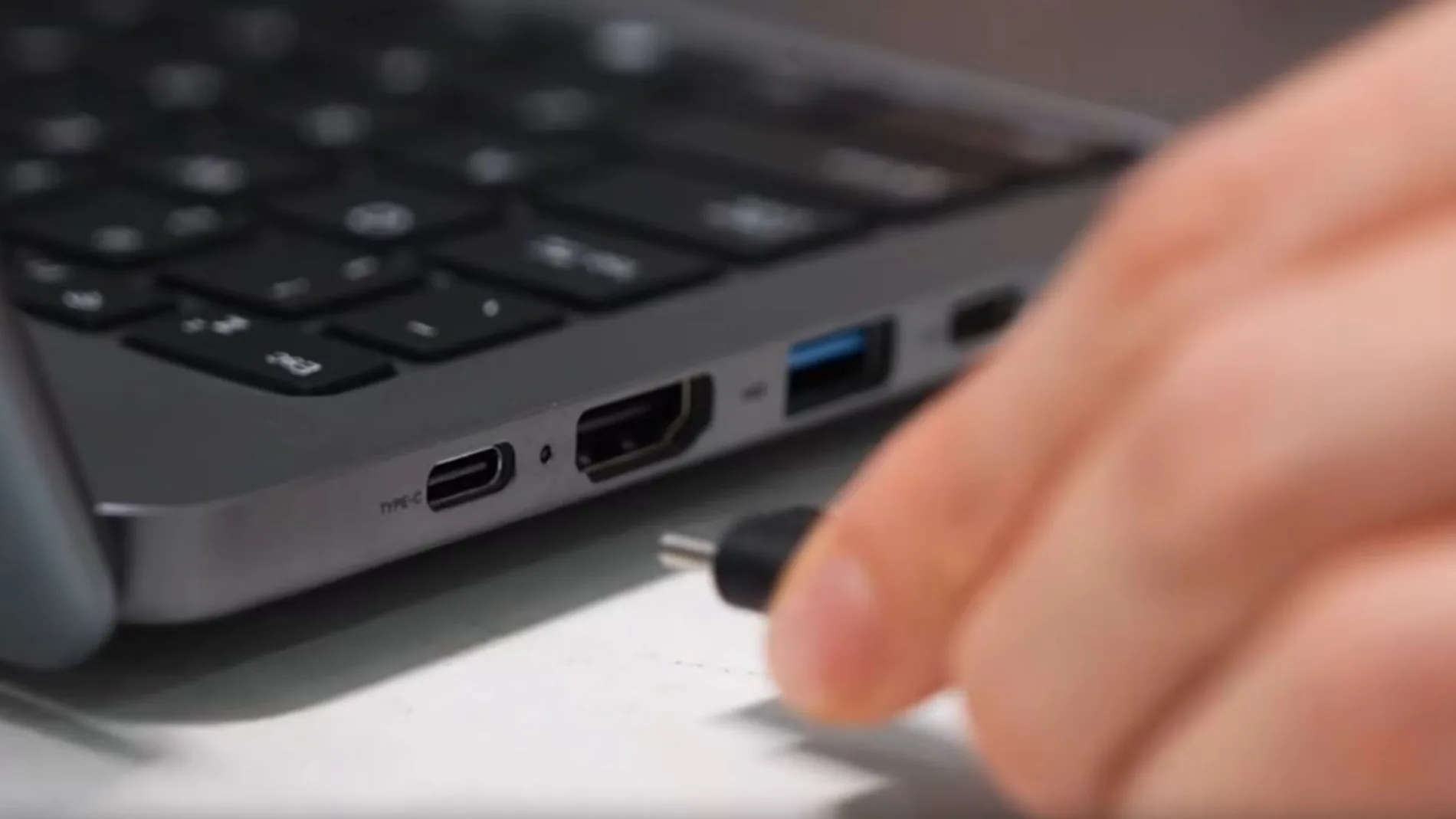
For many years, the cable HDMI (High‑Definition Multimedia Interface) has been the standard for transmitting digital audio and video between televisions, consoles, computers and media players.
Its ability to carry high definition signals over a single cable made it the essential of audiovisual connectivity in homes, offices and professional studios. However, recent advances in wireless transmission are transforming this landscape.
Today there are systems capable of send content on4K and high quality audio at distances greater than 30 meterseliminating the need for cables and simplifying the installation of equipment.
How wireless transmission works
These technologies are supported by high-speed networks to send video and audio signals from one device to another.
Among the most used systems are Wi-Fi Directwhich allows point-to-point connections without a router, Chromecast and AirPlaywhich facilitate the projection of content from mobile phones, tablets or computers to smart televisions, and Miracastwhich duplicates the screen of a device on another compatible one.
Its operation is comparable to that of a “wireless HDMI”, offering a quality digital signal without the need for a physical connection.
Advantages over traditional HDMI
They eliminate visible cables, facilitate the mobility of equipment and allow content to be shared from multiple devices without complications.
Many smart TVs already include these features natively, making it possible to stream video and audio with just a few taps on the screen.
Limitations where HDMI is still essential
Network quality, interference from walls or other electronic devices, and equipment compatibility can affect signal stability.
HDMI continues to be essential in applications that requireMinimum latency and maximum reliabilitysuch as video game consoles, home theater systems or professional audio and video equipment.
Users will be able to take advantage of the flexibility and convenience of wireless for everyday activities, while a physical connection will continue to be the preferred option when seeking maximum quality and security.