
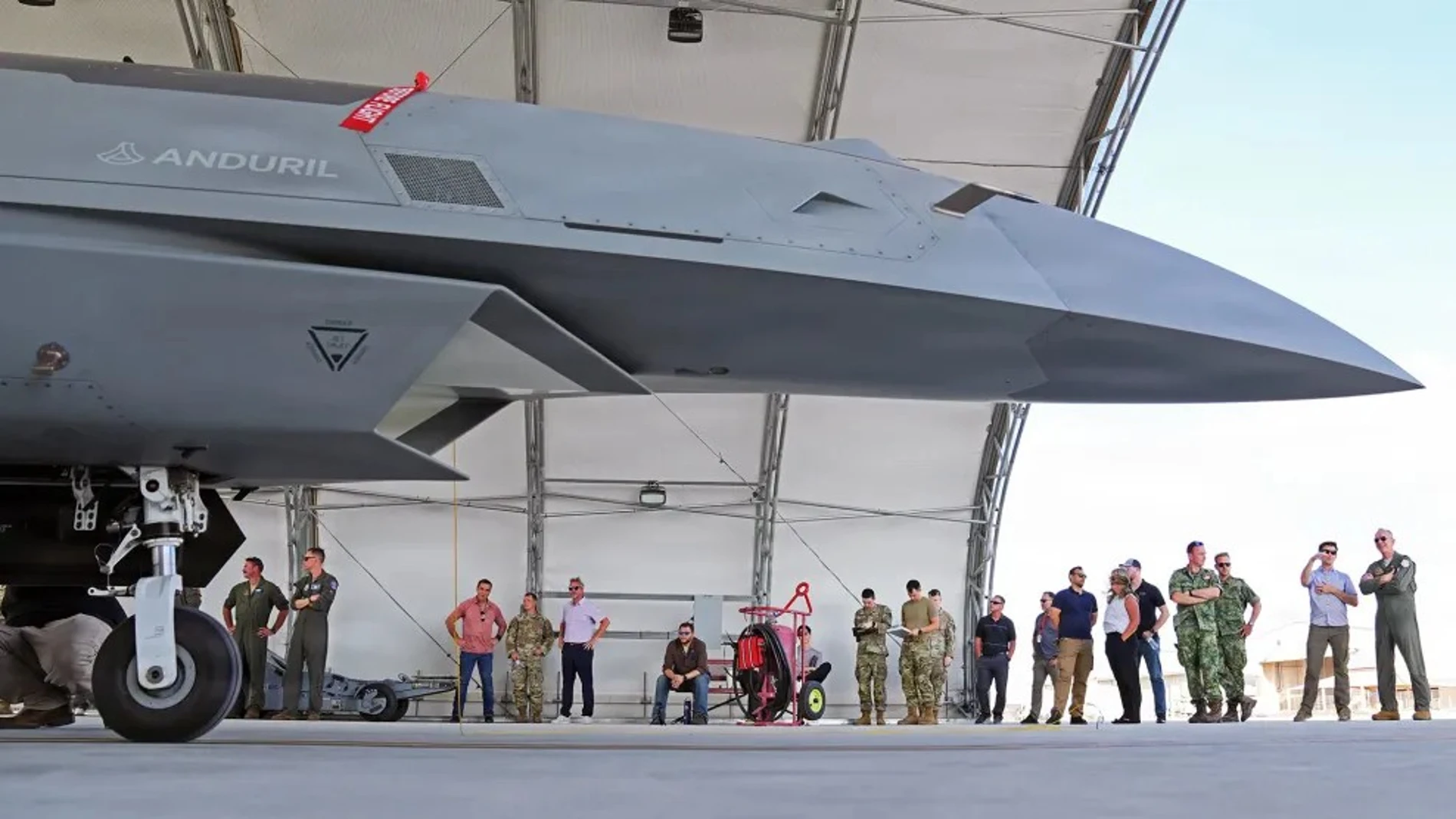
The United States Air Force wants to have 500 collaborative fighter aircraftCCA for its acronym in English, by 2032, a step prior to the fleet of approximately 1,000 devices that the program contemplates. Your secretary, Troy Meinkannounced the goal this Monday and presented the official names of the first two models, the FQ-42 Vengeance of General Atomics and the FQ-44 Fury of Anduril.
The announcement expands the horizon that Washington had specified just three months before. In June it awarded production contracts to both companies and expressed its intention to acquire more than 150 CCA by the end of the decade. Now it places the number it intends to have in 2032 at 500, which requires significantly increase production and prepare the maintenance, communications and personnel necessary to operate this fleet.
The available budget could limit fleet size more than manufacturing capacity. According to TWZ, Meink assures that they could build more than 500 CCAs by 2032, but that They do not have the funds to buy as many as could be produced. Furthermore, that figure does not have to correspond exclusively to Vengeance and Fury. The outlet points out that it could include models from the second phase of the program, although that cast has not yet been confirmed.
As explained Army Recognition, the CCAs will accompany the F-35 and the future F-47expanding its ability to detect threats and attack targets. They will be able preempt manned fighters, transmit information and carry additional missiles. The concept also includes functions of reconnaissance and support for electronic warfare.
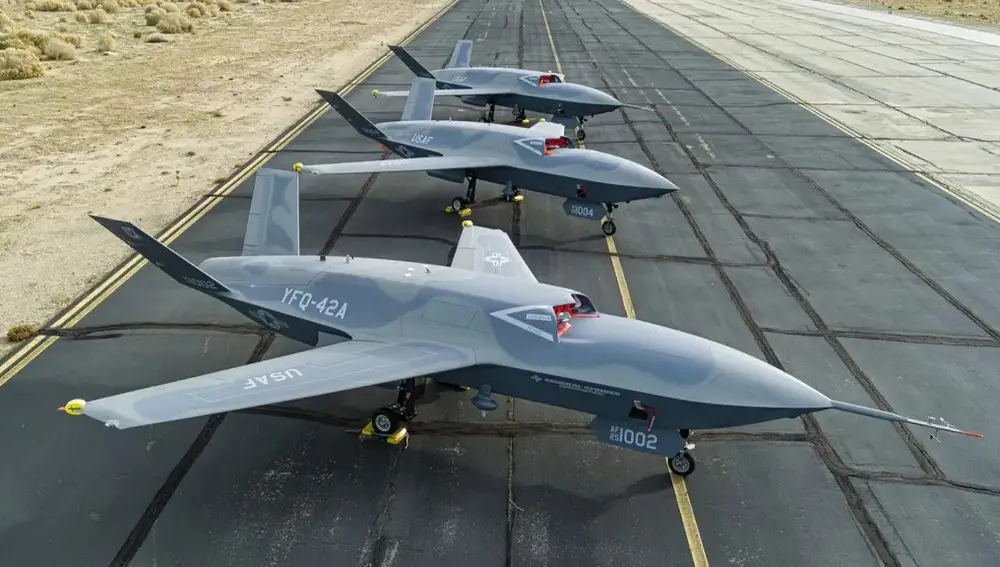
In April 2024, the United States selected proposals from General Atomics and Anduril to develop and test the first models of the program. During that stage they received the designations YFQ-42A and YFQ-44Awhose initial letter identifies the testing devices prior to production. General Atomics also named its prototype Dark Merlin last February, but Vengeance will be its official name.
Although its specifications have not been disclosed, it is known that the General Atomics device takes advantage of technology from the demonstrator XQ-67A and has a Modular architecture to incorporate different mission configurations. The company has demonstrated autonomous takeoffs and landings. For its part, the Anduril prototype fired an air-to-air missile in July AIM-120 against a computer-simulated target during a live-fire test.
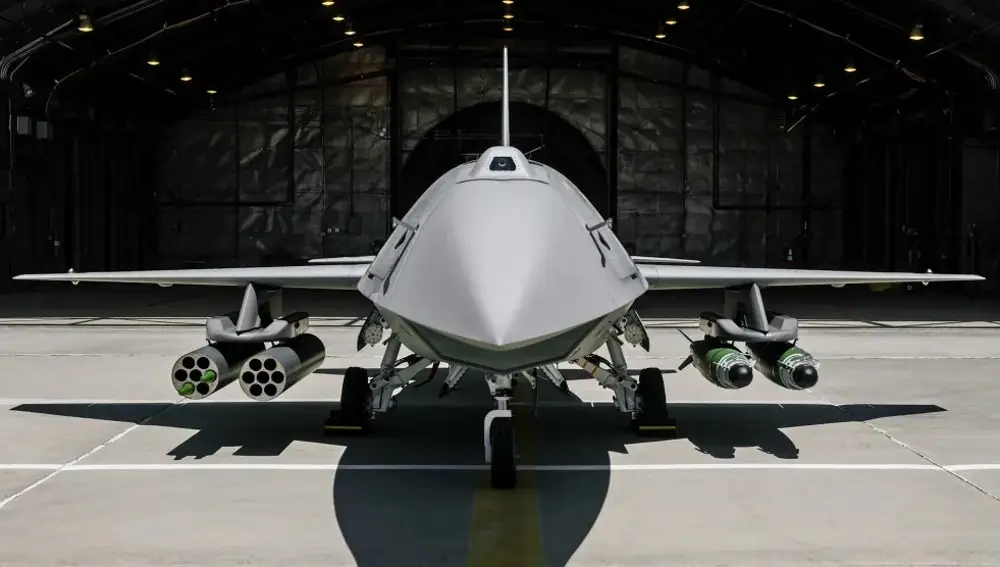
Although they can perform tasks autonomously, the Air Force describes them as semi-autonomous due to human intervention that preserves their functioning. Operators will set the objectives and limits of each mission while the software will take care of tasks such as navigation. The decision to use weapons will remain in human handswithout the need to continuously pilot each aircraft remotely.
The development of this software has been separated from the purchase of the aircraft for facilitate updates and competition. A common government-owned architecture will allow programs from different suppliers to be integrated into compatible aircraft, without completely redesigning them.
The six companies selected to compete in this area are Anduril, General Atomics, Lockheed Martin, Northrop Grumman, Collins Aerospace of RTX and Shield AI. The Air Force plans to choose the main supplier of the autonomy software of the first phase to summer 2027. It will depend on its development that pilots can coordinate these devices without directing them preventing them from carrying out their own mission.