
Among all animals, the human being is the best when facing long distances. And when we talk about long distances, we refer to 100 km or more. But only a few manage to cross the mythical barriers. These are thresholds, like 10 seconds in the 100 meters, four minutes in the mile (1609 meters) or two hours in the marathon (42,195 meters).
The 10 km male record is 26 minutes and 24 seconds, While the best marathon record is 2:00:35. In this way, the calculations (pure mathematics, without taking into account the terrain, the physiology, the temperature, etc.) lead us to think that, every 10 kilometers, we should add about 150 seconds (two and a half minutes). Obviously, it is a calculation that hides many variables and using them to go beyond a marathon is very complex.
For example, until a few days ago, the world record of 100 km. It was 6 hours and five minutes. Which means that its holder, Aleksander Sorokin, had run at a rhythm of A little above 3 minutes and 30 seconds the kilometer. Now, that record has been beaten.
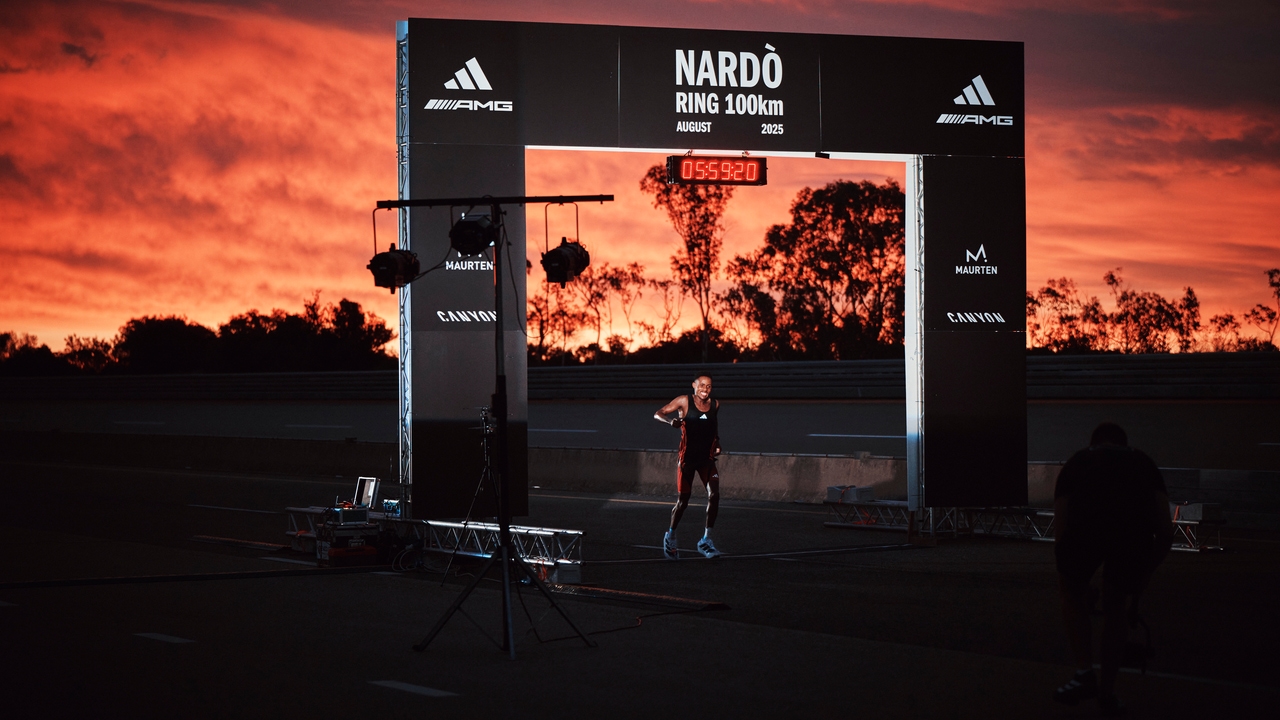
This week, the South African athlete Sibusiso Kubheka broke the 6 -hour barrier at 100 km, with a time of 5:59:20. The event, called “Chasing 100” (chasing the 100) explored what is possible when the fastest resistance athletes are combined with the latest innovations, including the renowned Adizero Evo Prime X shoes.
The five participating athletes wore footwear and adidas specially designed, with precision engineering and individually adapted to allow greater speed. Held at the iconic Nardò Ring circuit in southern Italy, and with The athletes wearing last generation footwear and clothing designed to maximize speed, Kubheka managed to reduce the previous record by 6 minutes and 15 seconds.
Chasing 100 participants included the previous holder of the 100 km world record Aleksandr Sorokin (Lithuania), Jo Fukuda (Japan), Charlie Lawrence (USA), Ketema Negasa (Ethiopia) and Kubheka himself.
Beyond previous training, Experience, food and absolute control of the circuitthe event had the technology of Adidas, which developed custom -to -head footwear and clothing, with the latest speed and cooling innovation.
Starting with the feet, the athletes had the Adizero Evo Prime X. Individually adapted to each corridor, these shoes were designed precisely for a single purpose: speed. Each element, from ultra reactive average to the precise adjustment of the superioris designed to maximize the career economy and unlock personal brands. Each pair was calibrated according to the forces generated by each athlete, providing optimal cushioning and a rigid structure adjusted to individual biomechanics.
The design and materials used are different from other models, such as those used in marathon: Footwear needs greater durability without losing benefits or comfort.
Adizero Evo Prime X offers more damping in the forefoot than many shoes in the heelwhich makes your level of comfort really exceptional. So much so that while most competition shoes have one or two different types of foam, this model has 4 different foams in the entelamuela.
One of them is the innovative Energy Core. Although the specifications have not been completely revealed, we believe that it couldYoto be the same material used in its pro -Evo 1 bye (some elite shoes sold for about 500 euros) and PEBax Supercr are madeYoTico instead of tpee like the Lightstrike Pro.
Another is the ultrachharge: a new technology that It begins to “work” five days before the racewhen air bubbles are introduced into the foam hollows of the midsole inside a high pressure chamber, which improves energy return.
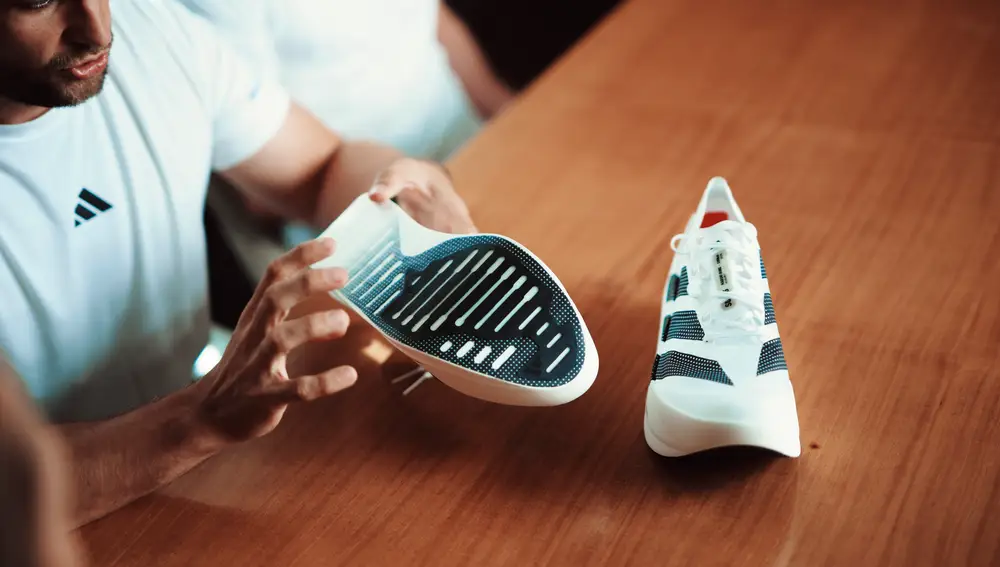
An additional detail is that They have replaced energy bars with two carbon plates. The upper plate extends from the forefoot to the heel with a flatter shape, which improves stability and energy storage, while the lower plate is shaped like a spoon that surrounds the Ultrasuave Lighttstrike Pro, creating an effective sandwich design that favors rotation.
But not everything has focused on the feet. In races of 100 kilometers or more, the regulation of body temperature is crucial, according to They show scientific studies. This is because prolonged exercise generates metabolic heat, and excessive heat can cause heat diseases and Reduce performance by overloading the circulatory system and promoting dehydration.
Thus, athletes must balance heat production with heat loss through sweating and environmental exchange to maintain body temperature within a safe range. Strategies such as Heat acclimatization and cooling techniques help improve resistance and risk management.
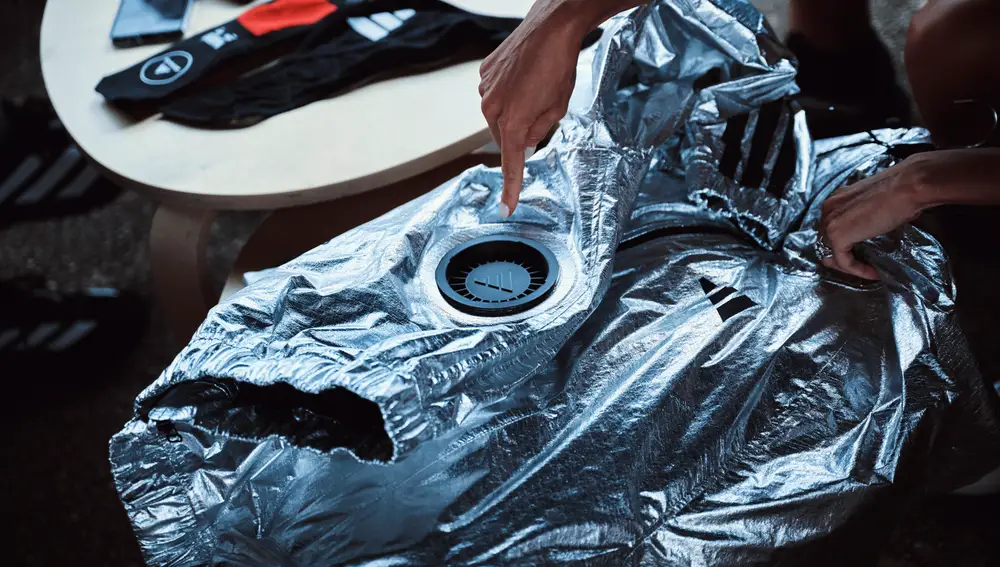
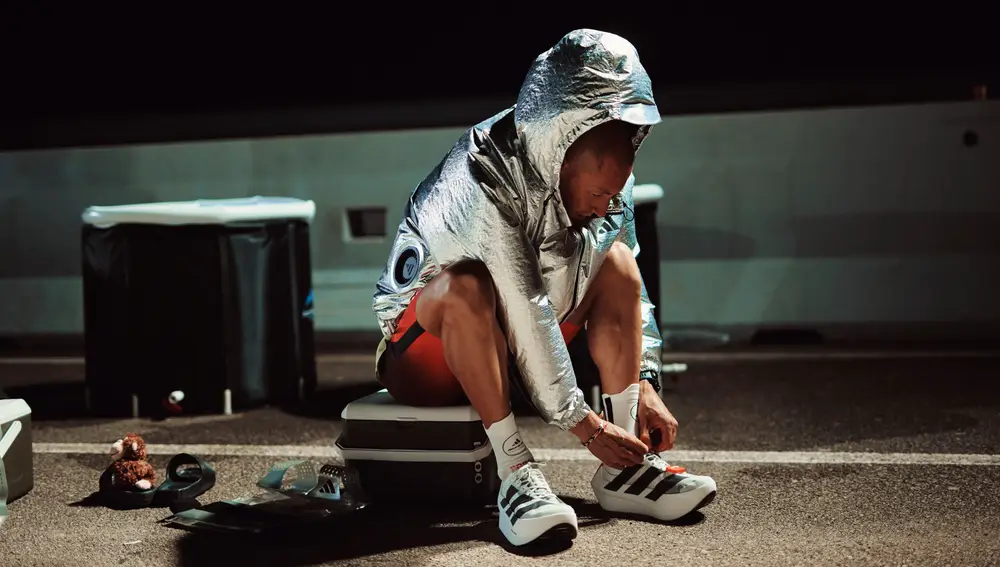
With this in mind, Adidas has endowed the five athletes with the pre -clearance and cooling climacool system during the race. For example, before the race, athletes used a combination of cooling and insulation technologies to improve thermal regulation. They used a refrigerant vest and a jacket with insulating fan Climacool (similar to that used by the Formula 1 AMG equipment) to minimize body temperature and heart rate in the first hour of performance.
During the race, each athlete had its own set of refrigerant necks, exchanged and renewed. Designed specifically by Adidas for this attempt, the necks are ergonomically molded to cool the main arteries and veins.
The six -hour barrier, a historic wall, has already broken. All those involved and those who belong to this sport, already know that It is possible and it is a matter of time that there is a new record. As long as the technological and human part manage to work together.