
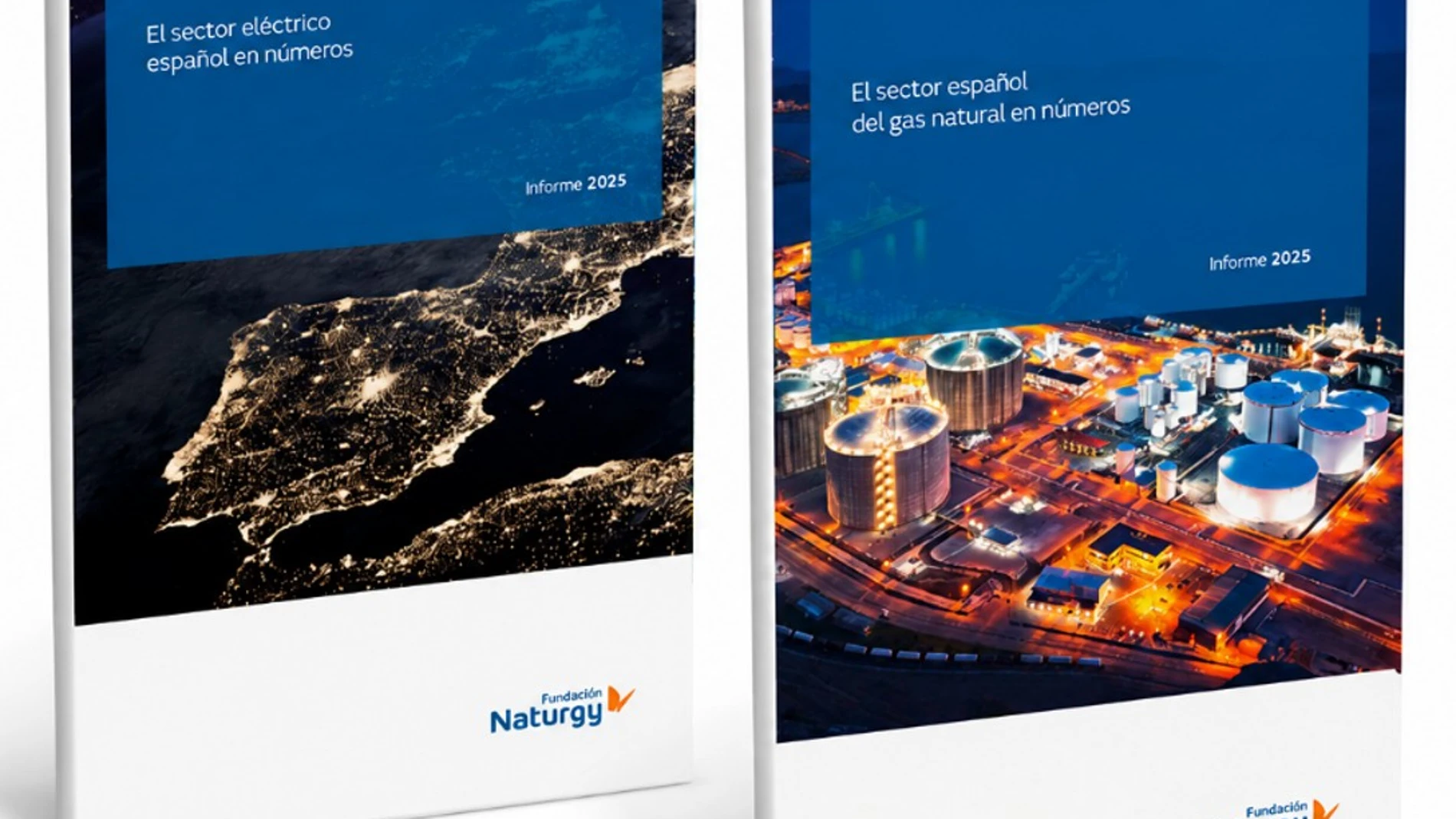
The Spanish energy system accelerated its transformation in 2025. Demand grew again and renewable energies significantly expanded their presence, while natural gas retained a decisive role in responding to moments of lower wind and solar production. That is the picture outlined in the reports published by the Naturgy Foundation on the electricity and gas sectors in Spain and whose conclusion yields a result that highlights that a transition is being carried out that is advancing rapidly, but that requires more storage, networks and adjustment services to maintain security of supply.
The most installed solar power
According to the data from these reports, electricity consumption reached 250,945 GWh, 2.9% more than the previous year. At the same time, the installed power on the peninsula increased by 8.8%, up to 144,987 MW. 71% already corresponded to renewable technologies, including hydraulics.
The most visible change occurred in solar energy. Photovoltaic, adding self-consumption, reached 49,183 MW and surpassed wind power, which had 32,597 MW. However, in terms of production, wind maintained the renewable leadership: it generated 57,383 GWh, compared to 49,299 GWh for photovoltaics. Altogether, renewable sources contributed 148,523 GWh, 58% of the electricity produced on the peninsula.
The green advance coexisted with a significant dependence on combined cycle plants. These facilities generated 38,810 GWh and, at times, the system needed to have more than 15 GW to guarantee its stability. The storage capacity, for its part, stood at 3,478 MW, just 2.4% of the peninsular power, a figure still insufficient to absorb the surpluses and compensate for the renewable variability.
The greater use of fossil generation had environmental and economic consequences. Electricity produced without direct emissions accounted for 77.6% of the total, down from 80% in 2024. Emissions increased by 8.1% to 21.6 million tonnes of CO₂. The total cost of the system, including taxes, grew by 9% and exceeded 48 billion euros; Nearly 8,000 million corresponded to taxes and more than 3,000 million to adjustment services.
The gas grows
Regarding the demand for gas. The data reflect that national demand for natural gas amounted to 331.5 TWh, 6.3% more than in 2024. The growth came, above all, from electricity production; Gas consumption from combined cycles increased by 33.4%, with an additional 24.9 TWh.
The evolution was different in the conventional market. Consumption by homes, businesses and industries fell by 2.2%, to 231.8 TWh, mainly due to the decline in industrial activity. In parallel, exports and ship loads increased by 17.3%, up to 40.5 TWh, driven by greater flow through the Pyrenees interconnection.
According to the studies, the gas system worked with full technical availability and responded in episodes of greatest electrical tension. Their behavior reinforced the strategic importance of gas infrastructures as support for a system with a growing presence of intermittent sources.
More flexibility
The two reports ultimately present the same paradox: Spain installs renewables at high speed, but still needs manageable technologies to deal with production fluctuations. During 2025, gas offered that support and helped stabilize supply, although its increased use increased emissions from the electricity sector.
According to the conclusions of both reports, the next step in the transition is to accelerate storage and demand flexibility, strengthen networks and interconnections, and better coordinate electricity and gas planning. It will depend on this balance, in the opinion of its authors that the country can continue to reduce its carbon intensity without compromising security of supply.