
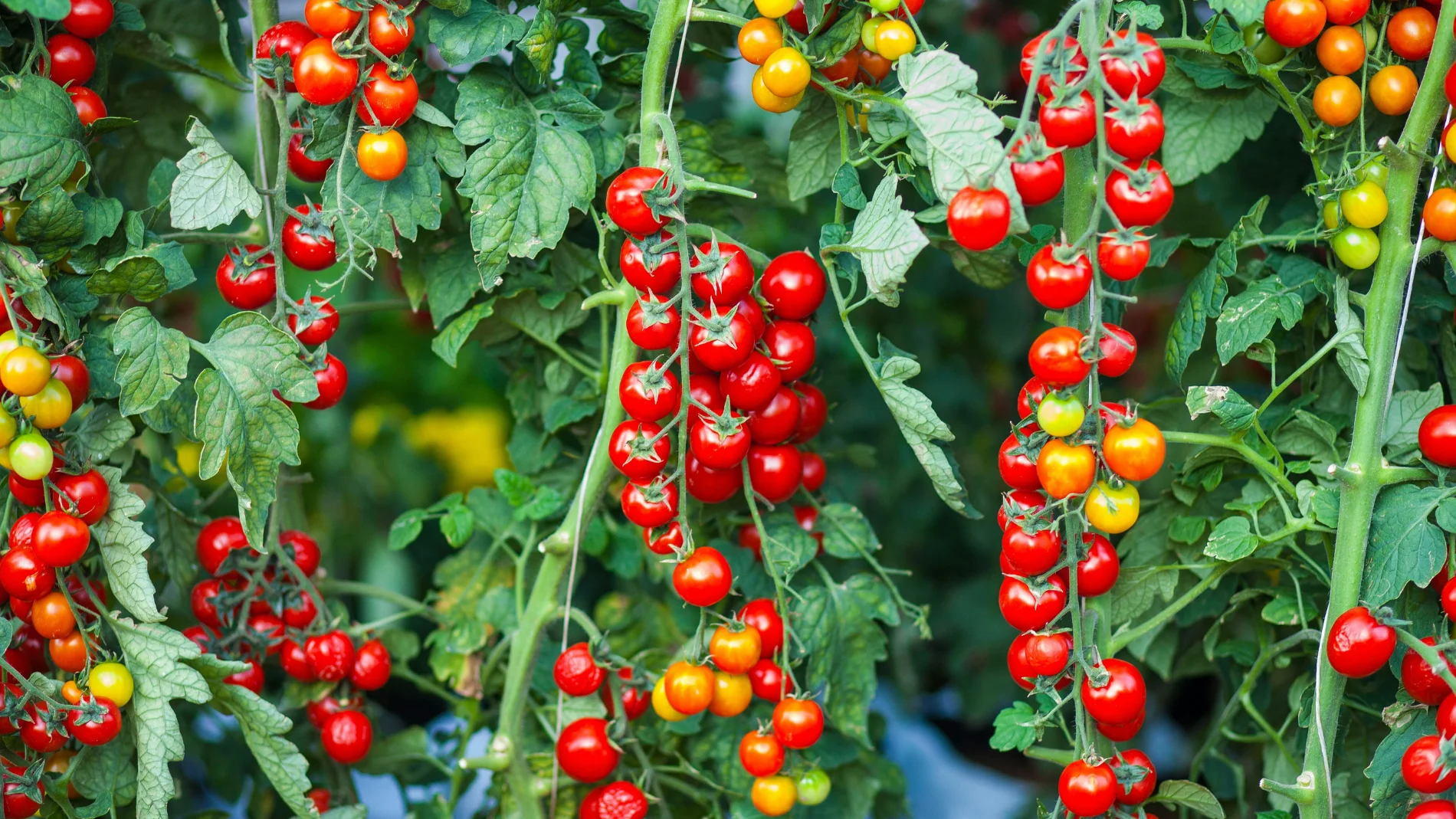
He cherry tomato loses cultivation area in Spain and representatives of the sector point to competition from Morocco as one of the causes. The concern was moved to Brussels on October 15, during a meeting of the European Commission’s Tomato Expert Group in which the difficulties of producers and the evolution of the market were analyzed.
According to FEPEX In a note published on October 19, the Spanish delegation warned that the setback especially affects the loose cherry. Its representatives linked this loss of surface area to the differences in labor costs and regulatory conditions between Spain and Morocco. They also pointed out that the low prices of the Moroccan product put pressure on those of the Spanish tomato.
The warning comes in a campaign in which selling at better prices has not led to an equivalent improvement in profitability. Farmers have also had to pay more to produce and transport their crops, with increases affecting energy, fertilizers and petroleum products.
Morocco concentrates more than two thirds of non-EU imports
The foreign trade data presented at the meeting allow us to measure the weight of the neighboring country as a supplier. In 2025the European Union imported 773,000 tons of fresh tomatoes from countries outside the community block. Of that amount, 527,000 tons arrived from Morocco.
This represents approximately 68.2% of extra-EU imports: just over two out of every three tons. The figure corresponds to all fresh tomatoes, not exclusively cherry tomatoes, and does not include sales between countries of the European Union.
In contrast, community exports of fresh tomatoes to third countries reached 383,000 tons. The main destination was the United Kingdom, which received 279,000 tons.
Energy and transportation cost 16% more
Foreign competition was one of the concerns expressed by the Spanish delegation, which included the director of FEPEX, Ignacio Antequera. Another was the increase in the cost of the supplies necessary to maintain the farms.
Representatives of the sector pointed out increases in 16% in energy and transportation with respect to conditions considered normal. In plastics, containers and packagingthe reported increase was 18%. For this reason, the good performance of sales prices during the campaign has not been transferred to the same extent to farmers’ margins.
The balance presented for the entire Spanish tomato in the campaign 2025/2026 collects a relatively stable surface, but a production drop close to 2%. This general stability coexists with the loss of ground described in the specific case of cherry.
Among the causes of the productive decline were the use of virus-resistant varieties, although less productive, phytosanitary problems and adverse weather conditions. Despite these difficulties, the delegation highlighted that the sector had managed to fulfill its commercial commitments.
Heat, diseases and costs also worry in Europe
The representatives of Belgium, Netherlands and Poland They described difficulties related to heat waves, rains and the rugose virus. They also insisted on the weight of the energy bill on their farms. Competition from third countries was another concern shared during the meeting.
The meeting also addressed the market prospects until 2035. According to the FEPEX summary, an independent study predicts, under current conditions, a decline in Spanish production of 1.2%associated with extra-EU competition, high costs and difficulties in finding labor.
Consumers are also adjusting their purchases. In France, the increase in tomato consumption favored by temperatures was subsequently slowed by the rise in prices. For Spain, the data presented reflected a 0.5% drop in vegetable consumptiona reduction referring to all of these products.