
SpaceX has been delayed from the 22nd to Monday, September 28 the next release of Starship without explaining the reasons. The mega rocket 124 meters high will take off from starbasein Texas, during a 75-minute window beginning at 2:15 p.m., Spanish peninsular time. It will be its fourteenth flight since the April 2023 debut and the first in which it will try to enter orbit.
Until now, Starship has followed suborbital trajectories that returned it to the atmosphere without having completed a trip around the Earth. Entering orbit will allow it to put satellites into service and move towards operations such as intership refueling, necessary for trips to the Moon and Mars.
Now targeting to launch Starship Flight 14 as early as Monday, September 28, pending regulatory approval https://t.co/3nG9wffG6A
— SpaceX (@SpaceX) September 17, 2026
The flight 14 program once again contemplates the landing of the two stages, despite the words of Elon Musk from a few weeks ago. Super Heavythe booster in charge of takeoff, will do so in the Gulf of Mexico some seven minutes after launch. The second stage, known as ship Although its official name is the same as that of the complete rocket, it will continue up to an orbit of about 275 kilometers altitude.
The ship will complete six times around the earth before performing the maneuver to leave orbit. It will then pass through the atmosphere and land in the Peacefulwest of Chilinails ten hours after takeoff. Previous suborbital flights lasted about 65 minutes and ended in the Indianin front of Western Australia.
During its stay in orbit it will deploy 26 Starlink V3 satelliteslarger and with greater capacity than current models, to incorporate them into the SpaceX internet network. Three will carry cameras to photograph Ship’s heat shield and send images that allow us to examine its condition, as happened on the last flight in July, although they then quickly re-entered the atmosphere.
There will be no capture of the stages in Starbase
The return to Starbase will have to wait despite the expectations that Musk had generated after flight 13. He then proposed trying to capture Ship with the arms of the tower on the next mission, but this option has finally been discarded. This week he explained in All-In their concern about flying over populated areas. ‘What worries us most is that the ship will disintegrate on land and rain debris on people’he stated, according to the San Antonio Express-News. On flight 14 there will also be no attempt to capture Super Heavy, something that SpaceX has already achieved three times.
NEW🚨: SpaceX shares insane drone footage from Starship’s first-ever intact soft splashdown last week pic.twitter.com/OvMVWVtxhY
— Latest in space (@latestinspace) July 28, 2026
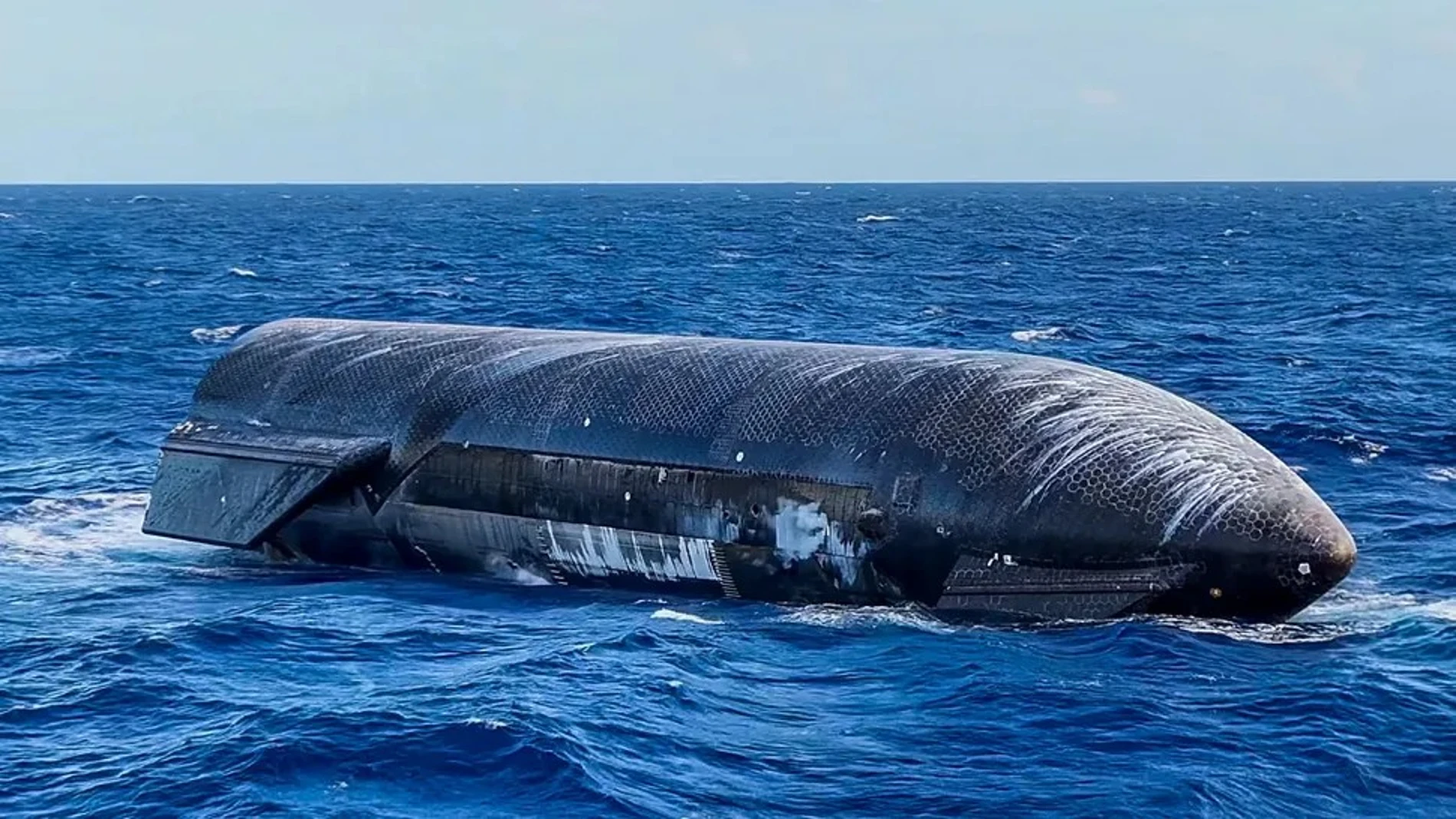
The precedent of July 24 left different results for the two stages of the vehicle. Super Heavy suffered engine failures during the descent and It was destroyed when it hit the sea. Ship managed to land gently and, surprisingly, remained afloat without obvious damage. Previously, it had deployed 20 Starlink V3 mockups that re-entered the atmosphere and disintegrated as planned, traveling on a suborbital trajectory.
Starship has now been loaded onto a semi-submersible ship to begin the several month journey back to Starbase. Congratulations to the entire SpaceX Recovery team for battling through challenging conditions to give our engineers access to a wealth of data to continue rapidly… pic.twitter.com/YSWcJvfIwz
— SpaceX (@SpaceX) August 27, 2026
The recovery of that second stage took weeks while it moved to the waters of the christmas island. Engineers inspected the ship and collected samples of the heat shield to study how it had withstood reentry. On August 27, SpaceX announced that had been loaded onto a semi-submersible ship to return to Starbase. Recovering it will allow you to examine a ship that has survived the flight and obtain valuable data for subsequent Starship missions.