
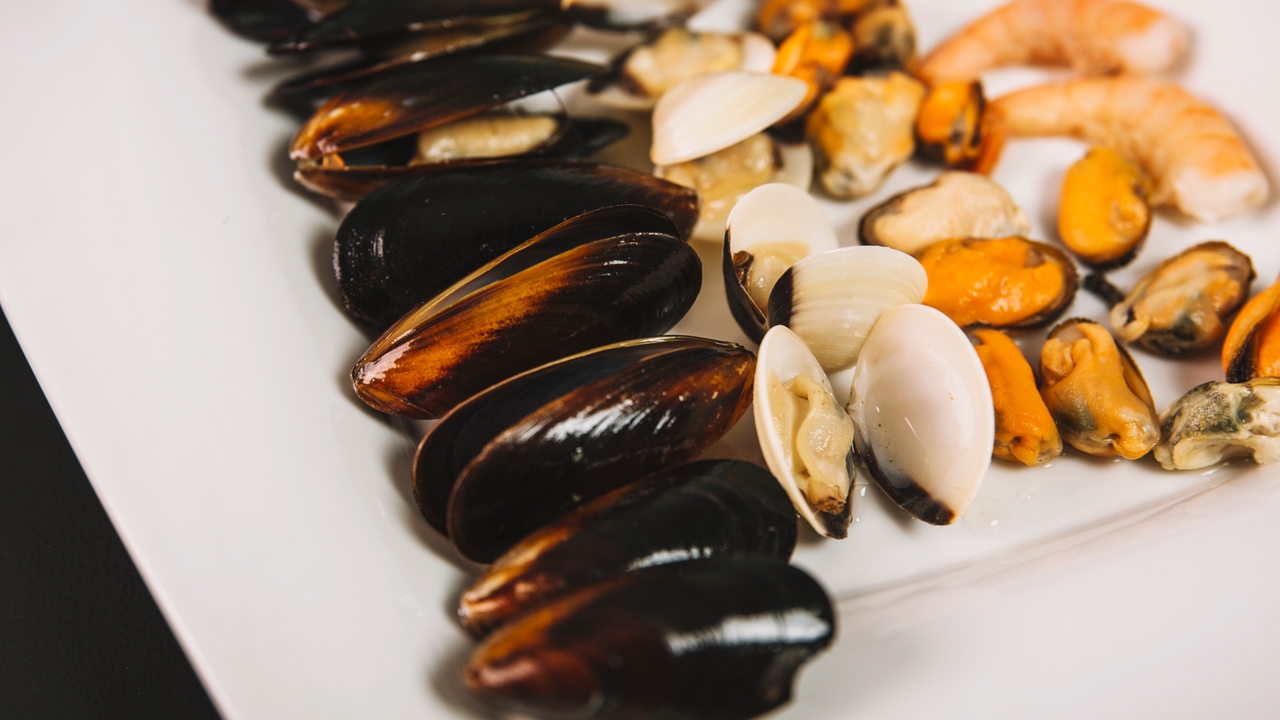
Whether in the crowded corner of a Spanish bar or at the center of a Christmas dinner with the family, a plate of steamed mussels always becomes the center of attention. Its saline aroma and juicy texture evoke the unmistakable flavor of the sea. But this traditional delicacy hides a disturbing problem that threatens both our health and the balance of the planet: contamination by microplastics.
A recent study of Center for Food and Toxicological Environmental Technology of the Rovira i Virgili University (TecnATox), in Tarragona, has brought to light an alarming fact: the mussels that we enjoy on our tables contain an average of nine microplastics per unit.
These particles invisible to the naked eye come mainly from synthetic fibers released by our own activities, such as laundry or pellet production. These fibers travel from drains to the oceans, where mussels, filtering water to feed, ingest them. Researcher Joaquin Rovira insists that “we are eating our own t-shirts” and that it is a problem that occurs throughout the planet.
What foods contain microplastics
The problem doesn’t stop at the plate. Frequent consumers of mussels and other shellfish, such as oysters and coquinasthey could be ingesting up to six meters of synthetic fibers per yearaccording to the TecnATox analysis. This disturbing data highlights the magnitude of microplastic pollution, which has invaded not only the oceans, but also agricultural soils and the air we breathe.
In the study, scientists analyzed the concentration of microplastics in species of mollusks consumed from the Catalan coast. In total, more than 2,300 individuals were analyzed. Large oysters and mussels showed the highest concentration of microplastics per individual, with levels that suggest that the consumption of mollusks is an important route of exposure to microplastics for the Catalan population.
Documented health risks
Microplastics are tiny particles that act like chemical sponges, transporting toxic substances that accumulate in the vital tissues of the human body. The ingestion of microplastics is associated with a series of potential risks such as cellular damagecancer, inflammation, endocrine disorders and problems in the immune system. Additionally, its ability to transport chemical pollutants raises concerns about its long-term impact on human health.
The case of mussels is just one example of how these particles have infiltrated the entire food chain. Microplastics They are not only present in seafood and fishbut also in agricultural products contaminated by affected soils and in foods stored in plastic containers. It is a silent invader that has palpable implications for health and the environment.
What can we do?
While the fight against microplastics requires global solutions, there are measures we can take at an individual level. Reducing consumption of foods packaged in plastic and opting for fresh, organic products are important steps to minimize exposure. Properly washing fruits and vegetables before consuming them also helps reduce the risk.
Additionally, being mindful of our everyday choices (such as using natural fibers instead of synthetic ones when purchasing clothing and recycling appropriately) can help reduce the amount of microplastics we release into nature.
The mussels, one of the most beloved symbols of Spanish gastronomythey tell us a much deeper story: that of a world in which our actions have consequences that we do not see. Addressing the problem of microplastics is not only a matter of preserving our traditional foods, but also protecting our health and the balance of ecosystems.