
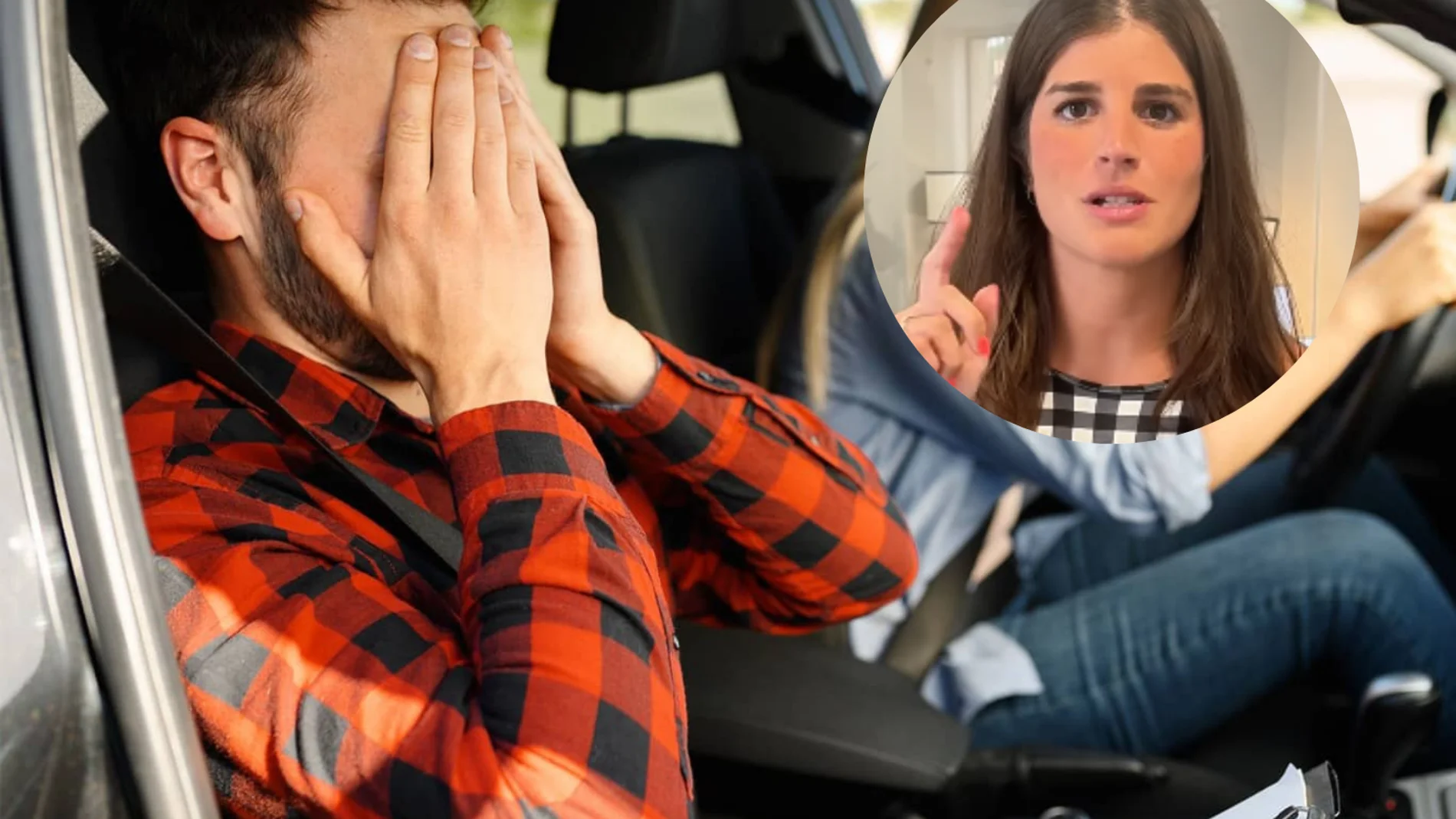
The lawyer specialized in permanent disability and medical negligence, Marina Alaminos, has warned on countless occasions of the tendency of the National Social Security Institute to deny recognition of a degree of disability even though the worker has limitations that prevent him from carrying out his work activity, as it happened to one of your clients.
Andrés went to his law firm after the INSS rejected his request for permanent disability. A driving school teacher by profession, his work day was based on being attentive to all the elements that his students were not yet able to detect. The sudden passage of a pedestrian on the road or a traffic light that changed at the last minute, I had to be aware of everything to avoid accidents and correct their students.
However, as Alaminos explains, one day he suffered a retinal detachment. Although the doctors decided to intervene, this episode It caused him to lose vision in one of his eyes.. And, “suddenly, everything that I had been doing for years automatically began to be different,” said the lawyer. Well, although he managed to adapt his personal routine, the tasks he carried out during his day were impossible for him.
The INSS denied him disability
Due to this, he decided to take medical leave, with the intention of focusing on his recovery and trying to recover part of his vision. Although during the treatments his eye began to respond and some of his vision returned, this It wasn’t enough to get him back into the passenger seat. and again be aware of all the dangers that his students were not prepared to respond to.
His medical reports reflected the reduced visual capacity that Andrés had to live with and, as the lawyer explains, it was clear that he could not return to his job and “allow himself not to see something in time.” For this reason, he decided to exhaust the maximum period of his sick leave, leaving the INSS with the responsibility of evaluating his case and granting him permanent disability. However, and to the worker’s surprise, the decision was negative.
It was then that she decided to go to a specialized lawyer, Marina Alaminos, to evaluate her case and present a claim to the entity. When the lawyer studied the case, she understood that what she needed was total permanent disability. “The problem was not only that Andrés had lost vision, but what his profession demanded,” he said. Well, your client’s work activity required “visual ability and constant reaction and Andrés could no longer guarantee it”.
Returning to work posed a risk to his safety and that of his students
In the claim, the team of lawyers alleged that the INSS had not paid attention to the needs of their job, which were incompatible with the visual loss that their client presented. Despite this, the entity stood firm in its decision and once again denied the request. That’s when They decided to go to the Social Court.
At trial, Alaminos decided to focus on his client’s limitations. He was not trying to show that he could not work again, but rather that “he could carry out many activities, but that did not mean that he could work as a driving school teacher,” because there he was no longer able to work.or put your own safety at riskbut also that of their students and the rest of the drivers and pedestrians.
The judge granted him a pension of 55% of the regulatory base
The judge understood that Andrés’ loss of vision did not allow him to return to carrying out his usual work activity without putting the safety of his students and other road users at risk. For this reason, it decided to recognize his total permanent incapacity for his profession as a driving school teacher, with its corresponding pension of 55% of the regulatory base.
Well, as the lawyer recalls, “Getting by in your daily life does not necessarily mean that you can return to your profession.“. A total permanent disability is granted when the worker has limitations, due to an illness or accident, that disable him from carrying out his usual work activity, but do not prevent him from carrying out other work in accordance with his situation.