
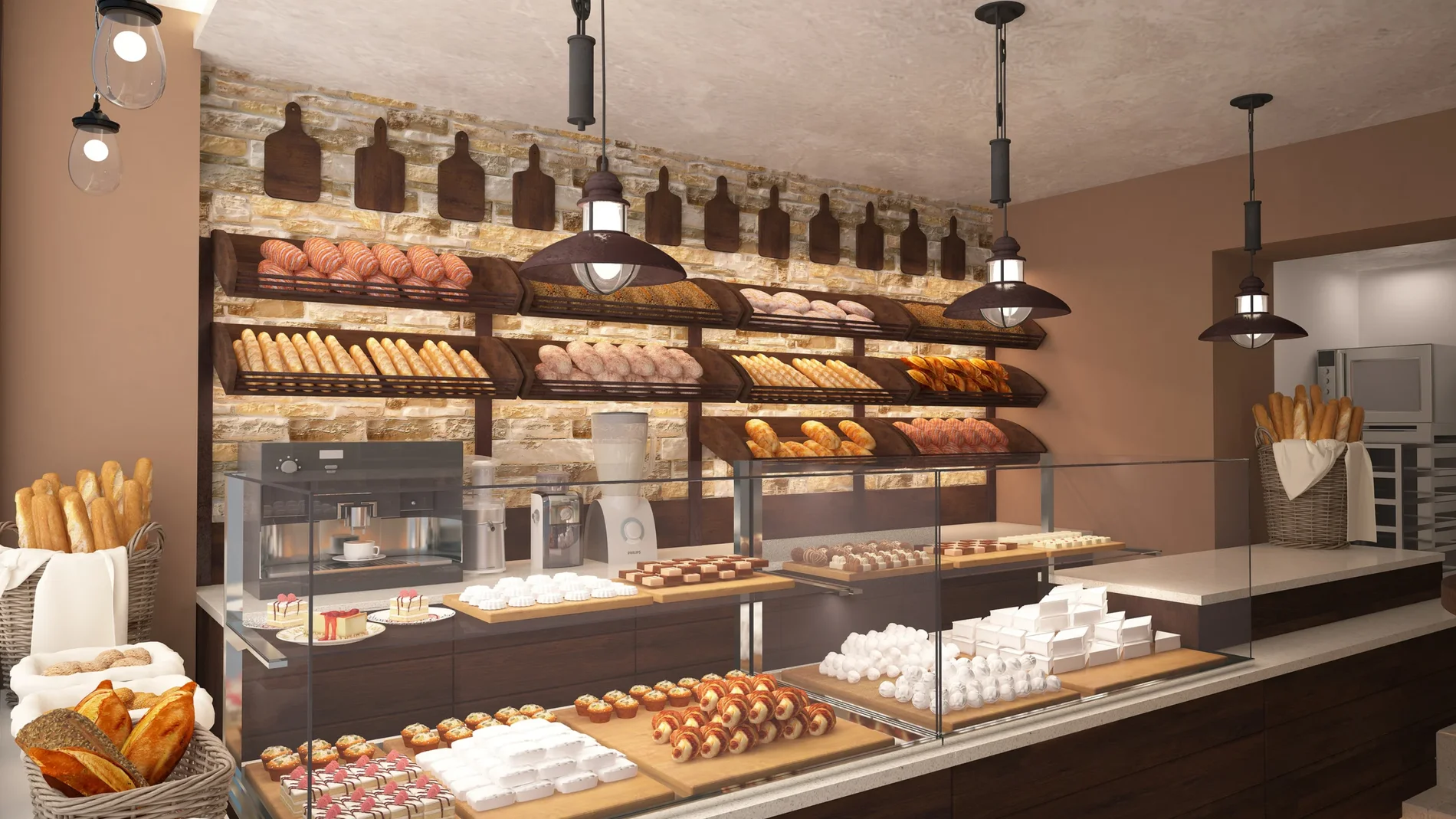
While much of the city is still sleeping, work has already begun in a bakery. Making artisanal bread requires starting the day several hours before the first customers through the door and find workers willing to keep those hours has become a problem for some traditional businesses.
You know it well Marimar de Miguelresponsible with her sister Carla de Villar, a historic bakery in Burgos. The establishment has been linked to artisanal bread making for more than seven decades, but in recent years it has encountered a difficulty that threatens numerous traditional crafts. They do not find enough relief to maintain the pace of work that the business demands.
“We pay 1,600 euros a month and 15 payments, but people don’t want to work at dawn,” explains Marimar when addressing the difficulties they face in filling out the workforce.
A day that begins at dawn
The problem is not only in finding candidates. Artisanal production requires work when the majority is still sleeping.
Marimar explains that the day can begin around three in the morning. The work also requires knowledge of the trade, from kneading and fermentation to controlling the times and the oven. Added to this is time availability that is not attractive to all workers.
In his experience, some candidates manage to join, but end up leaving shortly after. “The workforce gets tired quickly,” laments the bakery, who points out the difficulties in getting young workers to stay and learn the trade.
For Marimar, work preferences have also changed. Compared to the hours required by an artisanal bakery, he maintains that many young people look for jobs with more conventional hours and with the free weekends.
A decision after decades of opening on Sundays
The lack of workers ended up having a direct consequence. The family decided close the bakery on Sundaysdespite the fact that it had traditionally been one of the important days for the establishment.
The decision allowed the team to be reorganized and keep the business open for the rest of the week. It was, therefore, not a question of lack of customers, but of having enough hands to maintain production.
The case of this Burgos bakery reflects a problem that goes beyond a specific establishment. Trades that for decades were transmitted between generations now find it more difficult to incorporate young workers, especially when they require specific training, physical effort and schedules far from a conventional day.
In Villar, meanwhile, the oven continues to turn on at dawn. The challenge is no longer just to continue making bread as it has been done for decades, but to find someone who wants to learn how to do it and keep the trade alive when the time comes for the replacement.