
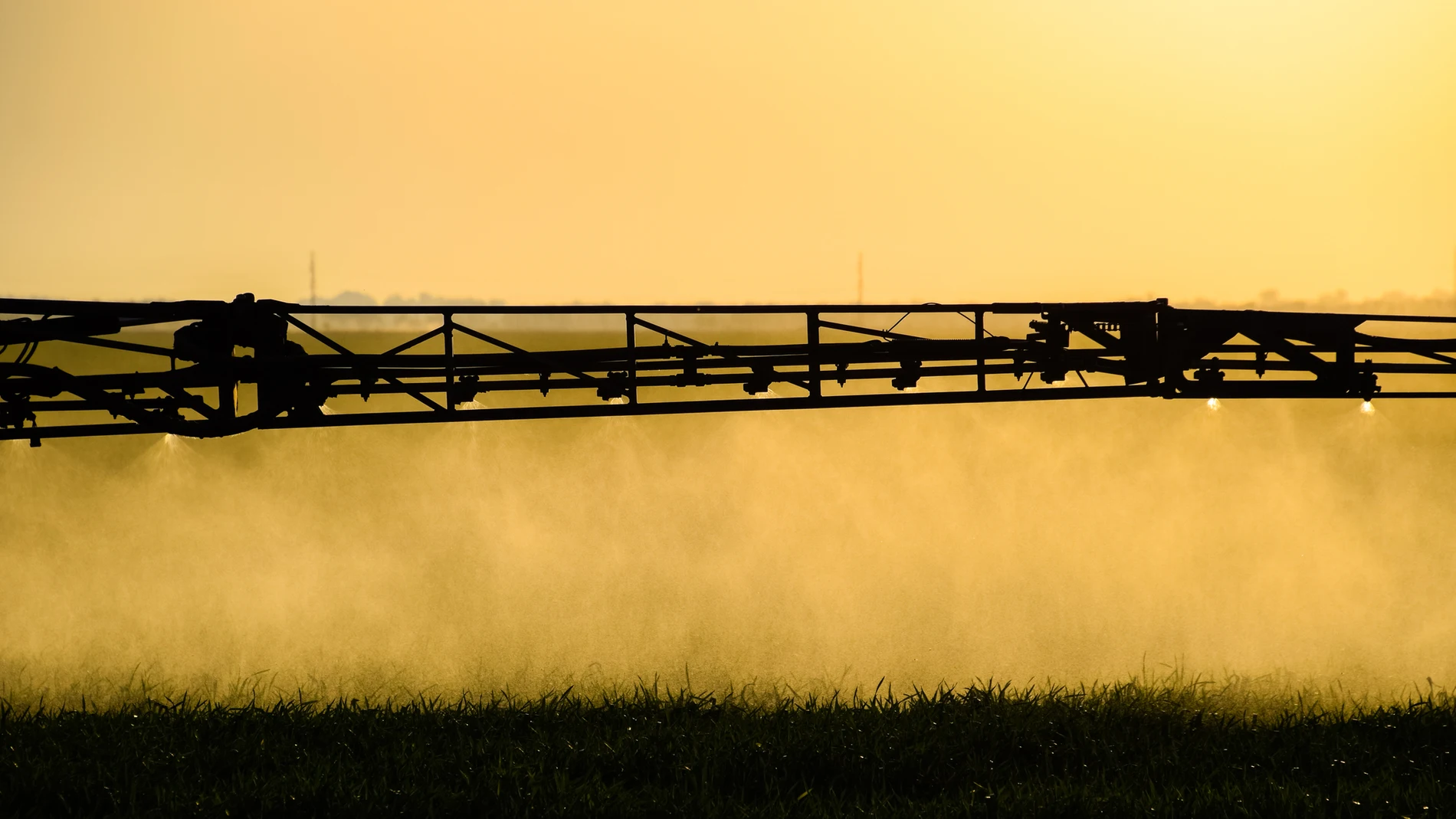
The high cost of synthetic fertilizers is due to the fact that they are directly derived from petroleum or require fossil fuels for their production and distribution. Therefore, in the face of global conflicts such as the current one in the Middle East, not only does their cost increase, the dependence on the food system is also evident. These chemical fertilizers arrived in the 20th century to supplant strategies such as the use of manure or crop rotation to replenish nutrients. The reason: to sustain increasingly intensive production rates that exceed the natural capacity for soil fertility regeneration.
From the successive crises due to the cost of fertilizers, the need to consider alternative production models to the current globalized and intensive model emerges, since they have not only proven to be effective, but also healthier for people as they avoid exposure to contaminants through the production and consumption of food.
Power asymmetries that go beyond the food system
An analysis of the Earth Platform shows how the fertilizer market is concentrated in a small number of countries. 60% of production is concentrated in China, the United States, Russia, India and Canada. And exports according to compounds are equally asymmetric: Russia and the countries of the Persian Gulf lead the way in nitrogen, Morocco dominates in phosphates, and Canada leads in potash. Thus, the global fertilizer market is amassing fortunes: in 2024 alone it will mobilize 85.7 billion dollars, according to data from UN Comtrade.
This complex geopolitical scenario reinforces a food system at the mercy of the input market, supported by long supply chains in which numerous intermediaries participate. For the same reason, these are very vulnerable chains since they can falter in contexts of geopolitical crisis, affecting the entire food system.
European fragility in the production of synthetic fertilizers
The complexity of the market that supports the use of chemical fertilizers is a structural fragility of Europe which, although it produces part of the nitrogen fertilizers used, depends on imported ammonia, a component obtained from natural gas, phosphates from Morocco (particularly from the occupied Sahrawi territory), as well as potash imported from Canada. The use
systematic and widespread use of these inputs is basic for the current agricultural model, which is why it becomes a factor of commercial and energy dependence, conditioning the stability of the European agricultural system.
This vulnerability has become evident again in the last year, with the rise in prices driven by tensions in the Strait of Hormuz, the tariffs applied to Russia and Belarus, and the entry into force of the Carbon Border Adjustment Mechanism (CBAM). Although Europe does not directly depend on Hormuz for its supply, instability in the region has strained energy markets and increased global competition for inputs (especially with India and Brazil), indirectly making fertilizers more expensive (UNCTAD, 2026).
The fertilizer crisis also reaches Spain
In 2024, the consumption of synthetic fertilizers in Spain reached 4.4 million tons (MAPA). Nitrogen fertilizers represent half of the total and are mainly used for cereals and intensive and woody horticultural crops such as olive, citrus and fruit trees. Other complex fertilizers that depend on imported components also play a relevant role in intensive agriculture. For example, fertilizers that require potash as an input are used in crops such as potatoes, tomatoes, citrus and fruit trees. Something similar happens with phosphates, and they are used for cereals, legumes and forage crops.
Serious health consequences
In addition to geopolitical fragility, this complex scenario adds consequences in terms of ecological and public health due to the unregulated application of these inputs.
For example, the intensive use of nitrogen fertilizers is associated with the contamination of groundwater by nitrates, as has already been seen in the maps generated by MITECO itself and in surface waters such as the Mar Menor (Murcia). When concentrations exceed 50 mg/L, the water is no longer suitable for human consumption, with risks linked to diseases such as gastric or bladder cancer, as well as childhood methemoglobinemia (blue baby syndrome).
In the case of phosphate fertilizers, there is concern about their cadmium (Cd) content, a heavy metal with carcinogenic and endocrine disrupting effects, whose accumulation in the body is also associated with bone demineralization or kidney failure. Cd enters the food chain through everyday foods; Cereals and bread are not those that contain the highest levels of Cd, but they do contribute the most to the exposure of the general population due to their frequent consumption.
Failures in current legislation
Regulations such as the Nitrates Directive (91/676/EEC), the Water Framework Directive (2000/60/EC) or the Fertilizer Regulation (EU 2019/1009) were established to regulate the use of synthetic fertilizers and should reduce it. It is also worth mentioning the Farm to Fork Strategy, integrated into the European Green Deal, which initially proposed a 50% reduction in the use of fertilizers by 2030, later revised downwards (20%). Despite being in force, these legislations present flaws in their degree of compliance and in unequal application between Member States.
For its part, the Spanish Government is working on a Royal Decree on fertilizers that, among other things, aims to diversify sources of raw materials and promote alternatives to fertilization. However, various sectors demand greater support for agroecological fertilization strategies, currently considered secondary.
The solution is to diversify fertilization strategies
The combined use of organic fertilization strategies, such as manure recovery, crop rotation with legumes or the use of plant covers on crops such as woody crops, is not only a viable alternative, but also a solution to the crisis of synthetic fertilizers. Even more so when the domestic origin of the resources necessary for their implementation is taken into account, which makes them an accessible and economical option.
Faced with pressures to use synthetic fertilizers as the only way to ensure agricultural profitability, it is essential to broaden the perspective and find long-term solutions with transition strategies that reconsider the way in which food is produced. In this sense, it is appropriate to support and promote the use of organic fertilization strategies to increase the strategic autonomy of Spain and Europe.
* Verónica Rebollo, Pablo Saralegui-Díez and Nicolás Olea belong to Alimentta think tank for the food transition