
Cinema has given the world epic stories such as that of William Wallace, immortalized in Braveheart as the symbol of Scotland’s fight for freedom. The one that, from the first moment, makes its destiny clear when the voice-over catches the viewer remembering an evidence: “History is written by those who hang heroes.”
From there until the end, a story of revenge and freedom ensues that, throughout the centuries, is replicated here and there with greater or lesser knowledge of those heroes or heroines. This is the case, for example, of the Galician María Pita.
In May 1589A Coruña became the scene of one of the most notable exploits in Spanish history, where this brave woman led the resistance against the invasion of an imposing English fleet commanded by Francis Drake.
A historic and unequal invasion
In the 16th century, Europe was divided by political and religious conflicts. Spain, under the reign of Philip II, was one of the greatest powers in the world, while England, governed by Elizabeth I, attempted to curb its expansion.
In this context, the English fleet, led by the legendary privateer Francis Drakewas ordered to attack A Coruña as part of a campaign to weaken the Spanish empire after the failure of the “Invincible Armada”.
The Galician city, with limited defenses and a population of barely 5,000 inhabitants, faced an overwhelming threat: more than 150 ships and 20,000 English soldiers. The invaders destroyed the suburbs and prepared to take the walled area, certain of a quick victory. But they did not count on the fierce resistance of the people of A Coruña or the determination of a woman who would change the course of the battle.
The courage of María Pita
María Mayor Fernández de Cámara y Pita, better known as María Pita, was a woman of humble origins born in Cambre in 1565. She had recently been widowed by Gregorio Rocamonde, one of the men who defended the city. His death at the hands of the English ignited a fury in Mary that led her to take the reins of the resistance.
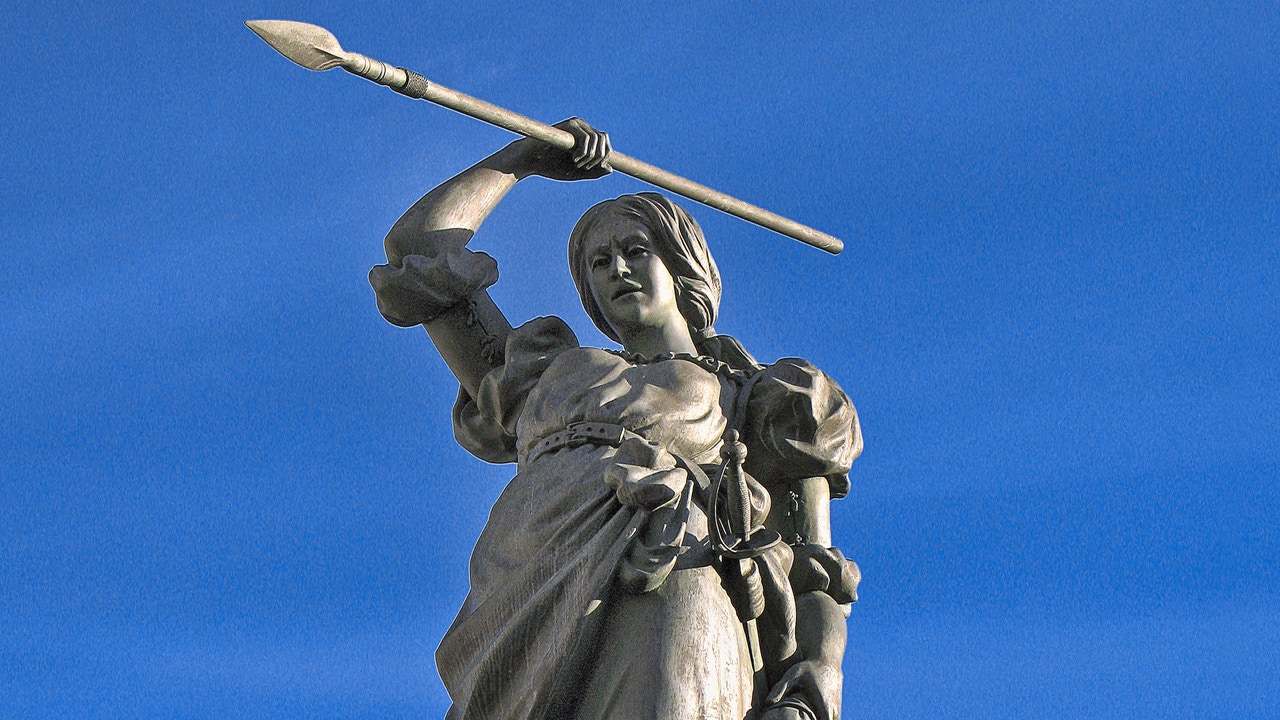
According to tradition, María Pita was at the top of the wall when an English standard bearer, identified by some accounts as the brother of Francis Drake, led a decisive assault. Armed with a spear, Maria struck him down, raising her bloody head as she screamed: “Whoever has honor, let him follow me”. This heroic act inspired the city’s defenders, who managed to repel the invaders and force them to retreat.
This decisive moment marked the victory of A Coruña and the beginning of the legend of María Pita, who became recognized as a symbol of Galician resistance against the English.
The real reward and a life of struggle
King Philip II was quick to recognize the importance of the feat. María Pita received the title of “excellent soldier” and a lifetime pension, an unusual honor for a woman at a time when female public prominence was almost non-existent.
This recognition allowed him to maintain his independence in the years to come, although his life was not without difficulties.
Throughout her life, Maria faced legal disputes, financial challenges, and the need to defend her reputation and that of her family. He was married four timesa fact that reflects both the harshness of his time and his ability to adapt to adversity.
The legacy of a universal heroine
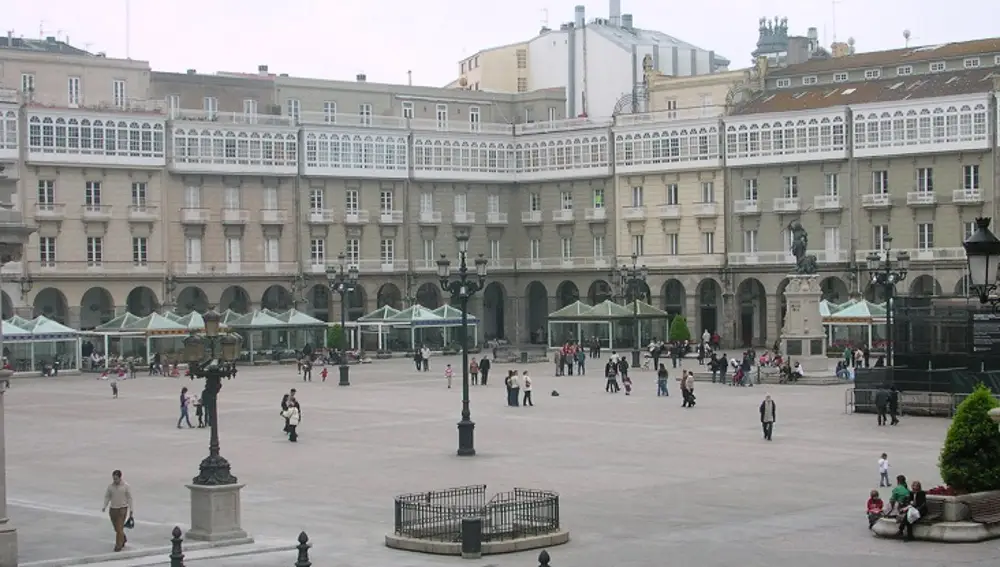
Today, María Pita is a symbol of pride for A Coruña and Galicia. His statue presides over the square that bears his name in the heart of the Herculean city, reminding everyone who visits the courage of a woman who did not let herself be defeated by circumstances. In addition, his house-museum offers a tour of his life and the importance of his role in history.
His legacy goes beyond the Galician borders. María Pita is a universal example of how a single person, armed with courage and determination, can face a seemingly invincible enemy and change the course of events. Like William Wallace in Scotland, she represents the fight for freedom, honor and justice, a story that deserves to be remembered and celebrated.