
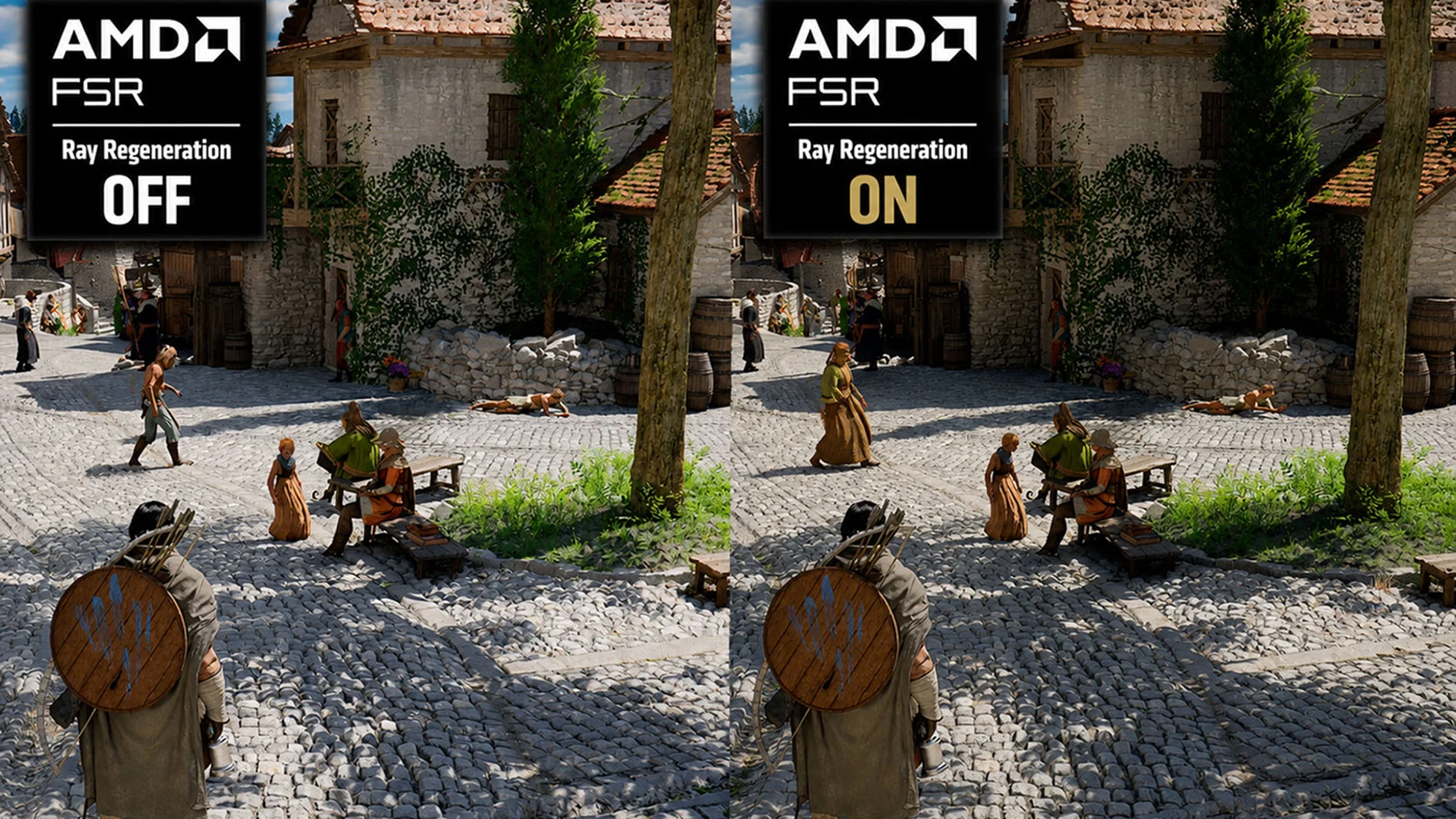
It turns out that an analysis of the Moore’s Law Is Dead channel raises a curious possibility for the future of the current generation, because according to what it defends, Xbox Series could offer better image quality than PS5 in some games if AMD FSR 4.1 ends up reaching consoles. With this, although multiplatform productions usually offer very similar results on both consoles, the new image reconstruction techniques they could break that parity in some titles.
The rescaling war
The hypothesis revolves around the evolution of AMD’s rescaling technology, whose arrival on RDNA 2 hardware It is scheduled for early 2027. PS5, Xbox Series
The analysis indicates the INT8 performance of each console as one of the most important technical datasince this type of calculation with 8-bit integers influences AI tasks and rescaling techniques. According to those calculations, Xbox Series would reach about 48.6 TOPS in INT8, compared to PS5’s 20.6 TOPS standard. As a reference, PS5 Pro would go up to about 300 TOPSwhile Xbox Series S would stay close to 16 TOPS.
In practice, Series studios integrate it into their games. All in all, the analysis does not point to huge differences between both consoles or an improvement comparable to the improved PSSR that Sony is preparing for PS5 Pro. Sony has explained that this improved version of PSSR comes from its Project Amethyst collaboration with AMD.
This could give Microsoft’s console some advantage during 2027, provided the update eventually rolls out. According to the developers cited in the analysis, Microsoft would have more advanced FSR support in its SDKwhile Sony would have dedicated more resources to the PSSR of PS5 Pro and would have stayed around FSR 2.2 for longer. If true, the implementation of FSR 4.1 could be easier in the Xbox environment.
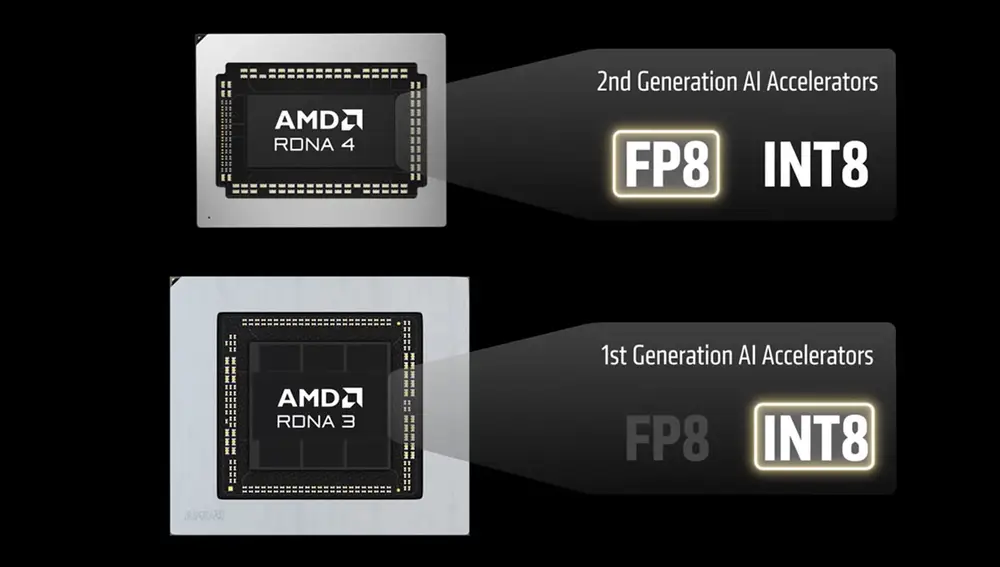
Xbox Series gains ground
Even so, this possible scenario does not leave PS5 in a delicate positionsince the Sony console you should be able to use FSR 4.1 if it finally receives support, although the result will depend on the integration in each game and a specific implementation for consoles that, for now, has not been officially announced.
The future arrival of FSR 4.1 on RDNA 2 hardware, together with the fact that AMD is considering its use on less powerful equipment, suggests that PS5 maintains the ability to take advantage of next-generation image reconstruction techniquesresources that are rapidly gaining importance.
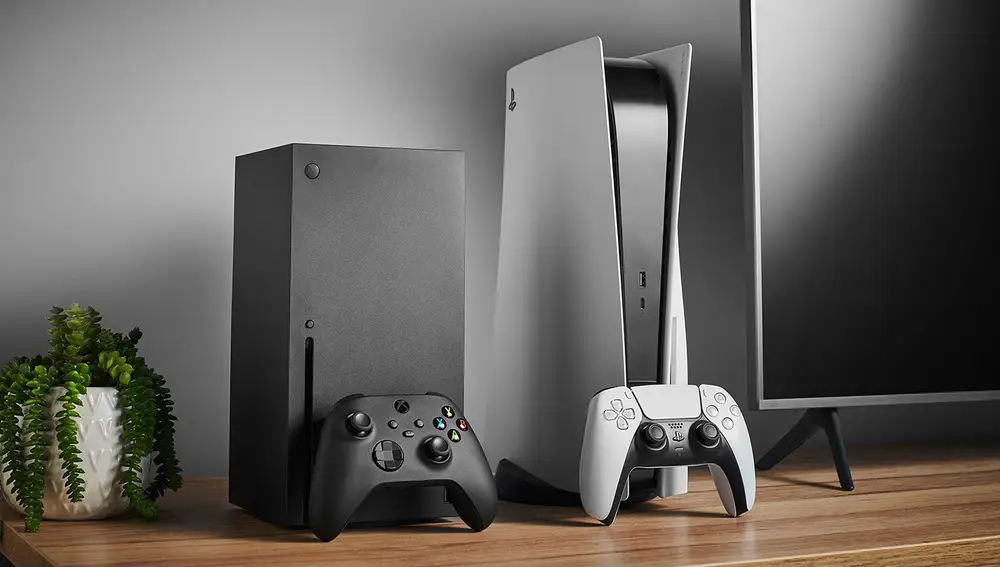
The current generation is getting longer
With the next generation seemingly further away than in previous cycles, Sony and Microsoft They need formulas to extend the useful life of current consoles. Overall, everything indicates that its performance will depend less and less on traditional raw power and more on image reconstruction techniques, AI and software efficiency, which are beginning to play a role as relevant as the hardware itself.