
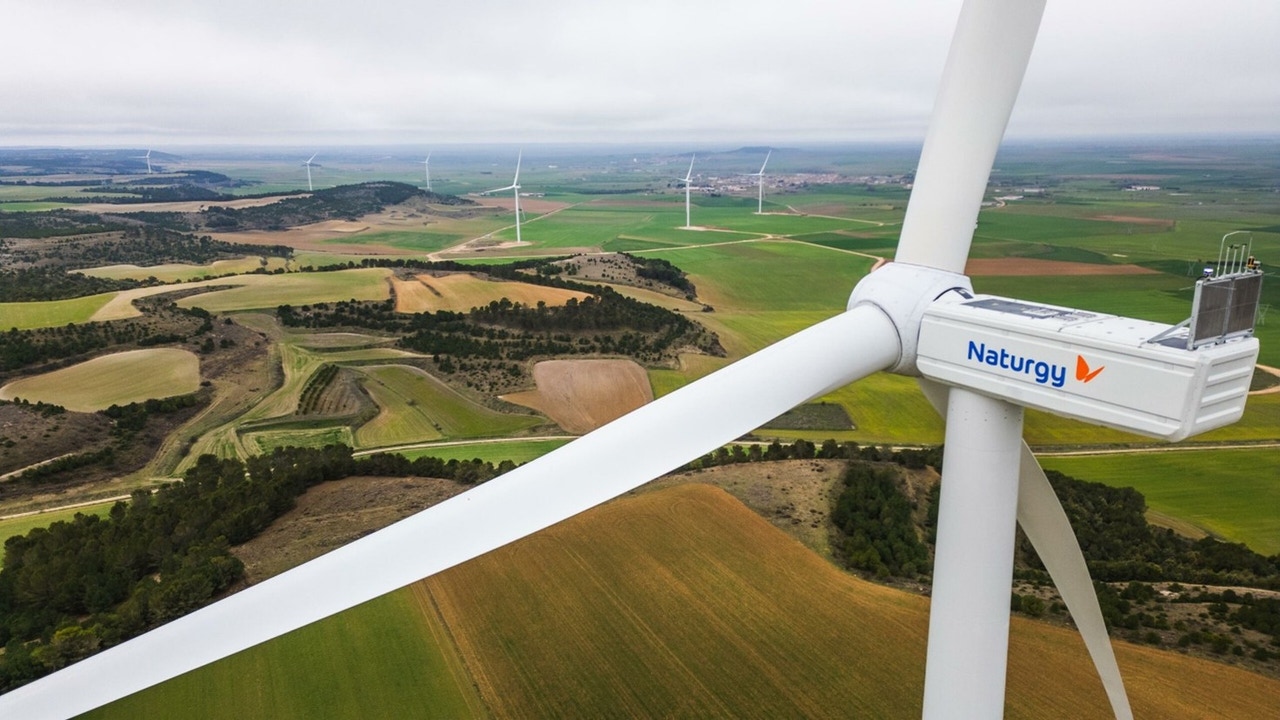
Wind energy plays a crucial role in the transition to a more sustainable energy future. Being a renewable energy source, its use contributes significantly to the reduction of carbon dioxide emissions and other pollutants. In addition, the wind industry generates employment and promotes economic development in the areas where wind farms are installed.
Environmental and economic benefits
At present, the wind has become a key renewable energy source. Winding, which convert the kinetic energy of the wind into electricity, are a sustainable alternative to fossil fuels. Wind energy is clean, abundant and does not emit greenhouse gases, which makes it a good option to combat climate change.
The use of wind energy has numerous benefits, such as the reduction of carbon footprint and combat climate change; The decrease in fossil fuel dependence and the improvement of energy security together with the generation of new jobs and the impulse to technological innovation and the development of new infrastructure.
According to the International Renewable Energy Agency (Irena), wind energy is one of the fastest growing energy sources in the world. Spain is the sixth country of the world for installed wind power, after China, the United States, Germany, India and Brazil, and the second in Europe behind Germany.
According to Red Eléctrica and the Wind Business Association, 56.8% of all the electricity generated in our country during the past year used natural sources such as wind, sun or water for its production.
More specifically, wind energy covered 23% of the energy consumed and was the second source of renewable generation with an installed power of 31,679 MW. The sector reached more than 35,000 jobs that could be doubled in 2030 if a greater volume of new annual facilities is reached. In addition, this energy source avoided the emission to the atmosphere of 32 million tons of CO2.
Wind energy has a presence in virtually all autonomous communities in Spain, except Madrid, Ceuta and Melilla. According to AEE among the four promoter companies with more wind megawatts installed in 2024 is Naturgy.
Naturgy’s example
At the end of 2024 Naturgy energy had 96 wind farms in Spain, the weight of wind in its energy mix was 20%, with a total power installed in 3.6 GW generation distributed in 2.4 GW in Spain and 1.2 GW in Mexico, Chile and Australia.
And as stated in its 2025-2027 strategic plan, presented weeks ago, it sets a commitment to increase its renewable operational capacity more than 30%, with the aim of reaching 9.5 GW of green energy generation capacity at the end of the period.
Naturgy and Amazon bet on wind energy in Australia
At the end of 2024 Naturgy announced a strategic collaboration agreement with Amazon, in Australia to supply clean energy, promoting the global commitment towards the decarbonization of both societies.
This collaboration agreement materialized in the Hawkesdale wind farm, located in the state of Victoria. With an installed capacity of 97 MW, this project can generate sufficient renewable energy to supply 67,000 homes a year. In addition, it represents an important step forward in the consolidation of the presence of the energy company in international markets such as Australia, where it already reaches a total operation of 492 MW, which is equivalent to the energy consumption of 320,600 homes.
This project not only reinforces Naturgy’s growth strategy in the Australian market, but also aligns with the vision of Amazon, one of the largest corporations committed to the energy transition globally. The energy produced by Hawkesdale will be destined to cover part of Amazon’s electricity consumption, which has already achieved that 100% of its annual electrical consumption comes from renewable sources.
In addition to its direct impact on the production of clean energy, the park will annually avoid the emission of 333,000 tons of CO2 to the atmosphere, reinforcing Naturgy’s commitment to the reduction of the carbon footprint at a global level.
Hawkesdale wind park is an example of how large corporations can work together to face the challenges of climate change and energy transition.