
What would happen if, in reality, the solution to apply a considerable reduction in the working day will go through implementing artificial intelligence in labor day to day? This technology, far from being a threat, begins to consolidate as a strategic ally in multiple sectors. The automation of repetitive tasks and the massive data analysis allow workers to focus on more creative and greater added value, which opens the door to more flexible and efficient work models. In this sense, experts agree that the key is in a responsible integration that contemplates continuous training and the design of policies that protect labor rights without curbing innovation.
The sectors where this change is most evidenced They are financial, logistics and services, especially in areas such as customer service or digital marketing. The implementation of systems based on artificial intelligence also grows in the field of health and education, where they are already applied for assisted diagnoses and personalization of learning processes. Factors such as investment in digital infrastructure, the formation of human capital and the ethical regulation of the use of these tools are making the difference in the speed and depth with which companies adopt this technological transformation.
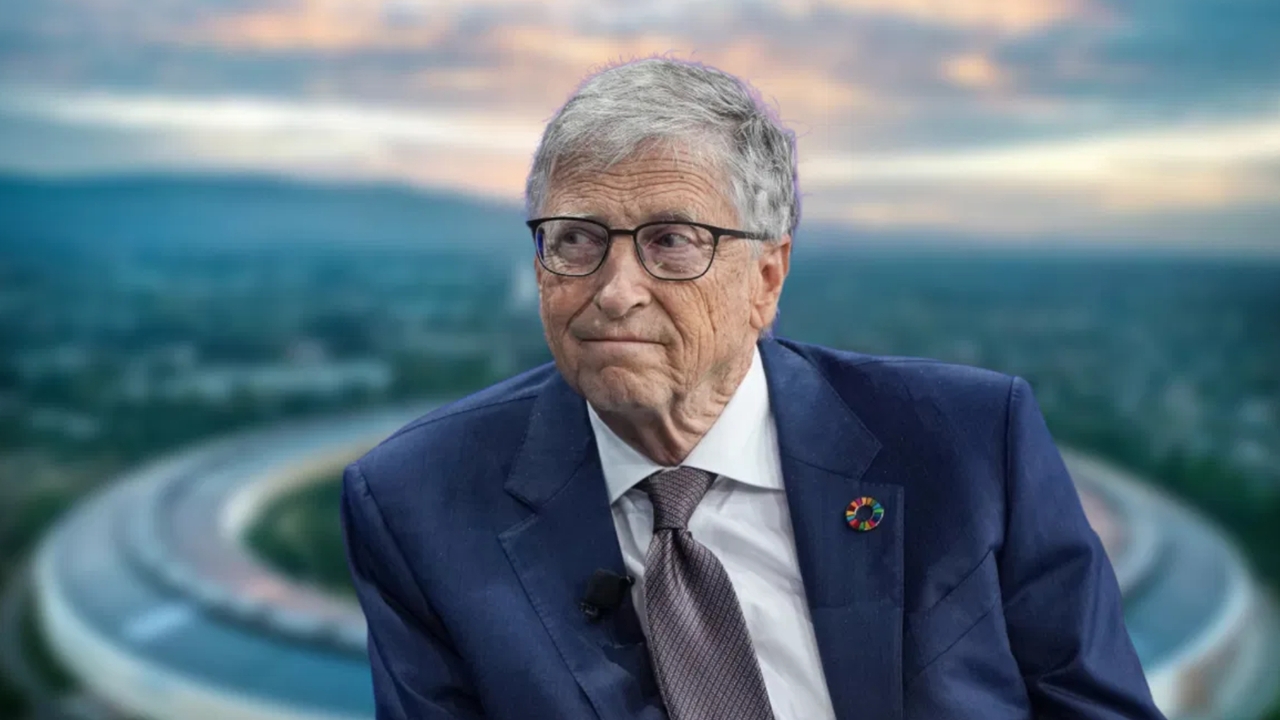
Such important figures in the technology sector, such as Bill Gates, founder of Microsoft, affect the idea of using smart systems in our favor before starting a war against them. In this way, the idea we raised at the beginning is promoted by the thinking heads of AI. While, at first, the reduction of the day focused on demolishing the impassable five -day wall per week, today the proposals are much more flexible. In countries such as Iceland or New Zealand the four -day day has been established as a reality. But specialists go further: they demand the three -day day.
Bill Gates supports AI as a solution to reduce the day
The American tycoon, in his speech in the program “What now?” From Trevor Noah, he presented his main opinions regarding the modifications that labor routine could suffer with the implementation of artificial intelligence. “If we finally reach a society where you just have to work three days a week or somethingthere will probably be no problem if the machines can produce all the food and the other products and we do not have to work so much, “says Gates points to the future with the ambition ahead, and with the application of this right for the workers. Although, in this case, the same doubt arises: what would happen to salaries? Would they regulate?
While this issue still does not have a clear and concise answer, if we rely on the proposal of our country, which was finally rejected, the Government did not leave the decrease in salary mass. Of course, for the moment, it is not reliable to look at a proposition that has not become effective, but certainly reveals the “interventionist” intentions of the leaders in this regard. Returning to the words of the philanthropist, his perception in the coming years is as follows: “In the short term, the increase in productivity provided by AI is very interesting. Eliminating part of the heaviest work“
Other referents of the sector support this theory
Eric Yuan, CEO of Zoom Video Communications, is also on the positive side with respect to this variable. “I feel that, if AI can make our lives better, why do we need to work five days a week?” The founder said. So there are few examples of great technological ones that reinforce the reduction. Even other referents predict a future marked by AI as an ally in the future, such as Jamie Dimon, executive director of JPMorgan Chase, who ruled that generations to come “They will probably work 3 and a half days per week“