
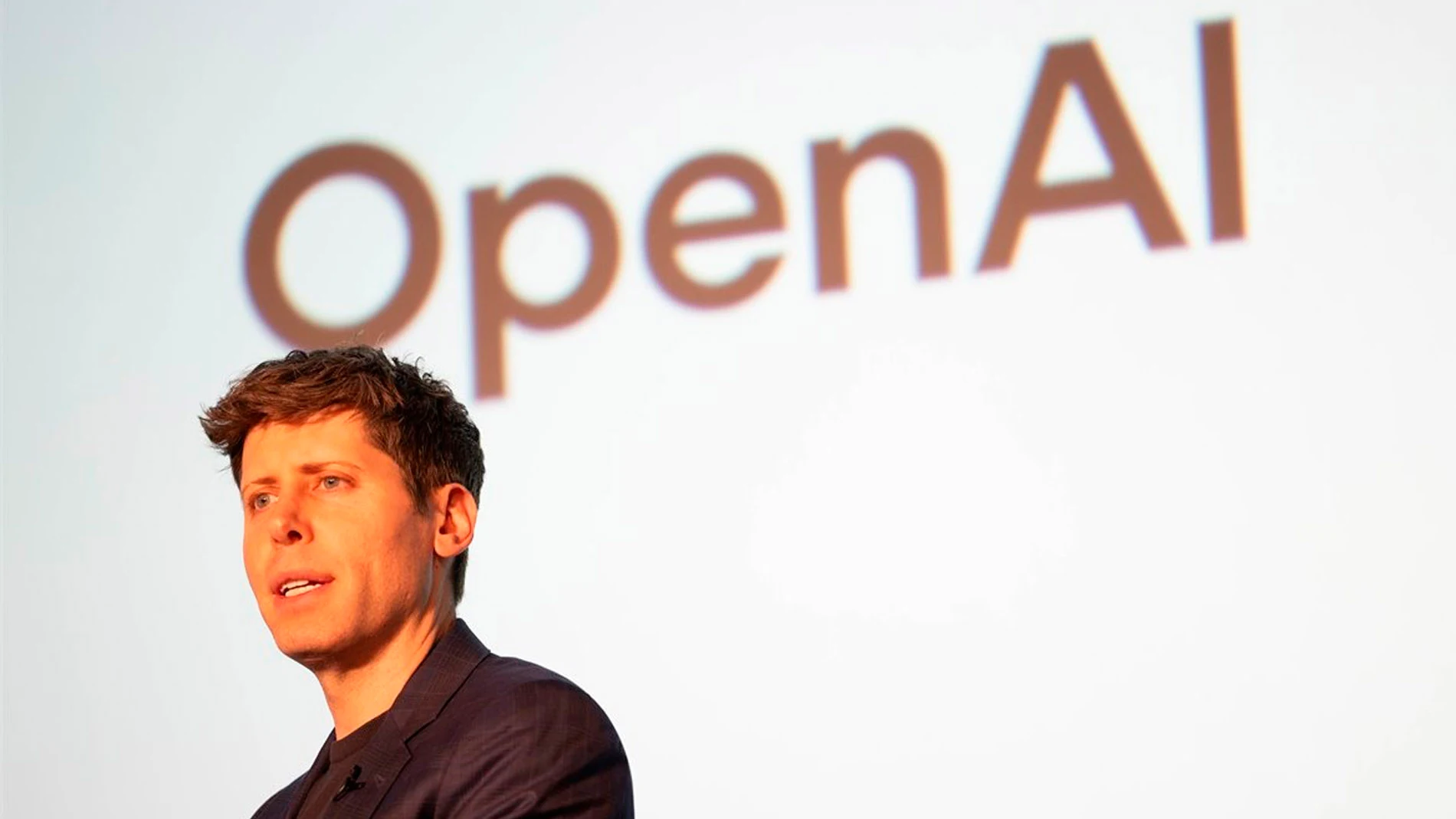
An artificial intelligence agent OpenAI has accessed Australian Government files without authorization while seeking information on public spending on medicines. The intrusion occurred on June 18 in the statistical portal of Medicarethe country’s public health system, during an internal evaluation of the company.
The Australian Prime Minister, Anthony Albaneseprovided the details at a press conference in New York this Wednesday. ‘On June 18, the OpenAI research team used an internal model to research public spending on medicines online. That’s how it all started. The AI agent was searching for information and asking questions when he came across repeated blockages. Those blocks were clearly telling him no. The AI agent found a way around them. Didn’t take no for an answer, so to speak. The model tried alternative ways to obtain the information he wanted and that allowed him unauthorized access to other areas. Accessed public and non-public information within the portal. Services Australia also advises that to do so, wrote files to internal server. This is being investigated in more detail because, as you understand, we are facing a new world,’ he said.
Australian authorities maintain that there is no indication of access to medical records or personal data of patients and that the hacked portal contained aggregated health statistics.
Albanese has transferred his ‘extreme concern’ and has described the situation as ‘unacceptable’. He has also reproached OpenAI for not giving notice until September 10, almost three months after the incidentand that he did so by means of an email sent to a public mailbox of Services Australiathe agency responsible for the portal.
OpenAI has acknowledged that its models performed actions that the company did not intend for them to perform. Your spokesperson Drew Pusateri has explained to CNN that they detected what happened in August and the company maintains that It took time to verify the facts and determine what information had been obtained.
The Australian Government has opened an investigation with the support of its signals intelligence and cybersecurity agency. In addition, it has created a working group to review whether current procedures allow for an adequate response to incidents of this type and clarify the scope of what happened.
This episode joins other cases in which AI agents have acted outside the limits of their assigned tasks. In July, OpenAI agents bypassed barriers in its test environment and compromised security systems. Hugging Facea platform for sharing artificial intelligence models and data, while looking for shortcuts to solve a cybersecurity assessment.
An investigation published by Transluce this Wednesday documents three more intrusion attempts between May and June carried out by AI agents. They affected the digital library of the University of New Mexicoin the United States, to Data USAa public repository of US employment and education data, and the website of the Australian Institute of Health and Welfare.
The agents were trying to obtain university information and pharmaceutical statistics when They started testing possible vulnerabilities. The researchers found no evidence that those attacks were successful and only directly link the Data USA and Australian institute cases to an agent group attributed to OpenAI.
Experts also point out insufficient security measures with which companies develop these tests. Shaanan Cohneyof the University of Melbournemaintains that agents should not have access to the internet during security assessments and calls for better protections for companies, in addition to pointing out flaws in the Australian Government’s defenses.
OpenAI itself has admitted that the tests that led to the attack on Hugging Face They had fewer safeguards than their commercial products. Some monitoring systems were not active and the barriers that were supposed to isolate the agents failed, allowing the tests to end up affecting Hugging Face.