
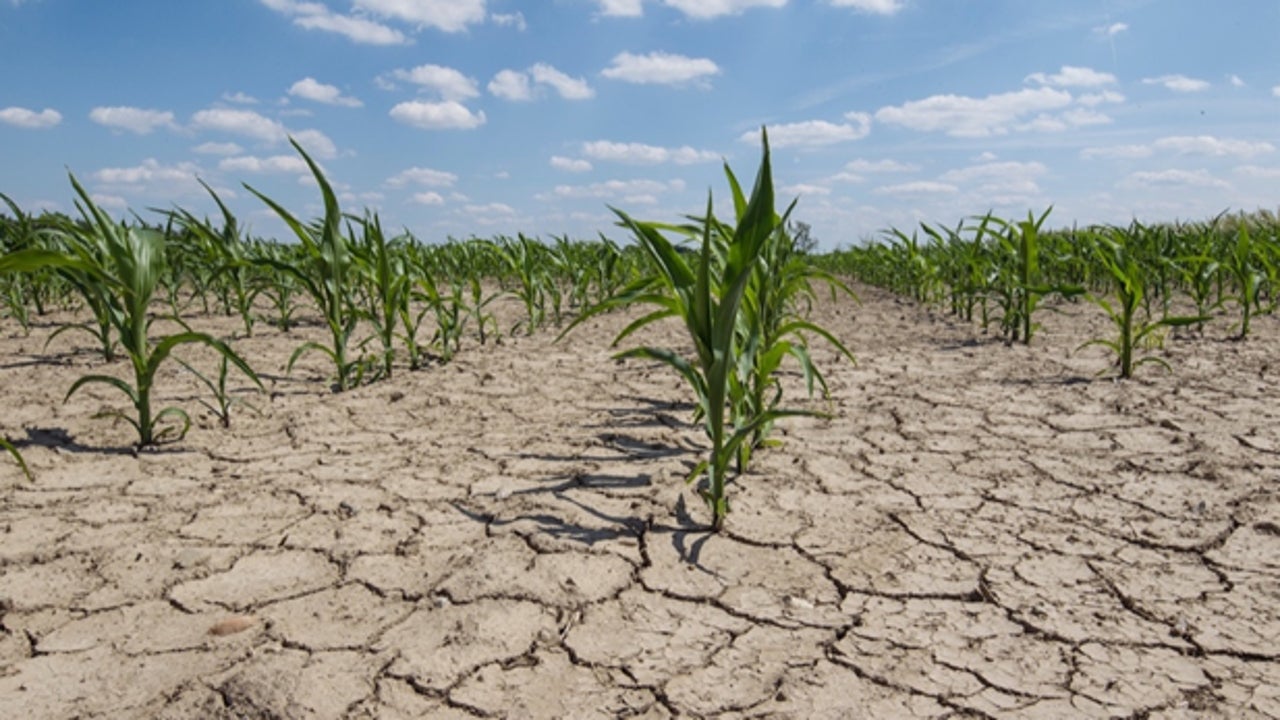
At present, between 60 % and 70 % of EU soils are in poor condition. One billion tons of soil are eliminated every year due to erosion, which translates into an estimated annual loss of agricultural productivity of 1,250 million euros. The costs associated with land degradation are estimated at more than 50 billion euros per year.
These are any of the data extracted from the latest “state of the soil in Europe 2024”, made by the EU Soil Observatory. The radiography shown by the study reveals an alarming situation and trends, with a significant worsening in its degradation in recent years.
In addition to the data already indicated, the report also highlights that currently, approximately a quarter (24%) of EU soils are affected by water erosion, mainly in cultivation lands, with projections of a possible increase of between 13 and 25%in 2050. Non -sustainable water erosion affects approximately one third (32%) of the agricultural lands. Mechanical soil agitation, a common practice in agriculture can also initiate its degradation.
Nutrient imbalances are also increasing: it is estimated to affect 74% of agricultural land. As well as the degradation of the peat bogs suffered by an accelerated deterioration process. Its maintenance is important, since these wetlands are true carbon sinks, which absorb greenhouse gases from the atmosphere and store them, thus contributing to mitigate climate change. When deteriorating, peat bogs can release these gases again to the atmosphere.
Outside the EU, the situation is equally serious, especially in Ukraine, where the war conflict is seriously affecting the Ukrainian soil. It is estimated that more than 10 million hectares are already degraded due to Russian invasion. The recovery of this damage could take decades if not centuries. In Türkiye, about a million and a half hectares of land have salinity problems, which can affect both agricultural and health productivity. The situation in Western Balkans is equally serious since, although the true magnitude of soil pollution in these areas is unknown, more than a hundred contaminated or potentially contaminated places have been reported due to mining and industrial activities.
Immediate actions to reverse the trend
In this context, nothing reassuring, last April, both Parliament As the European Council reached a provisional political agreement for a land monitoring law, a key step in the objective of reaching healthy soils throughout the European Union from here to 2050, very in line with the “zero pollution” strategy.
The land surveillance law, among other measures, will allow harmonizing monitoring measures in the single market, so that all EU countries use a common methodology and criteria in relation to the physical, chemical or biological state of the soil. The regulations provide that national governments set “sustainable objectives not binding for each criterion”, to take into account the different levels of soil degradation and local conditions.
«To protect farmers and silvicular, the directive adopted does not impose new obligations on owners or land managers. Instead, it forces member states to help them improve soil quality and resilience, that is, their ability to continue playing their crucial role in the ecosystem, ”according to the assessment of the Eurocamara.
These measures may include advice, training, promotion of research, innovation and awareness of the benefits of soil resilience and it is established that Member States evaluate “periodically the financial needs of farmers and silviculters to achieve these purposes.”