
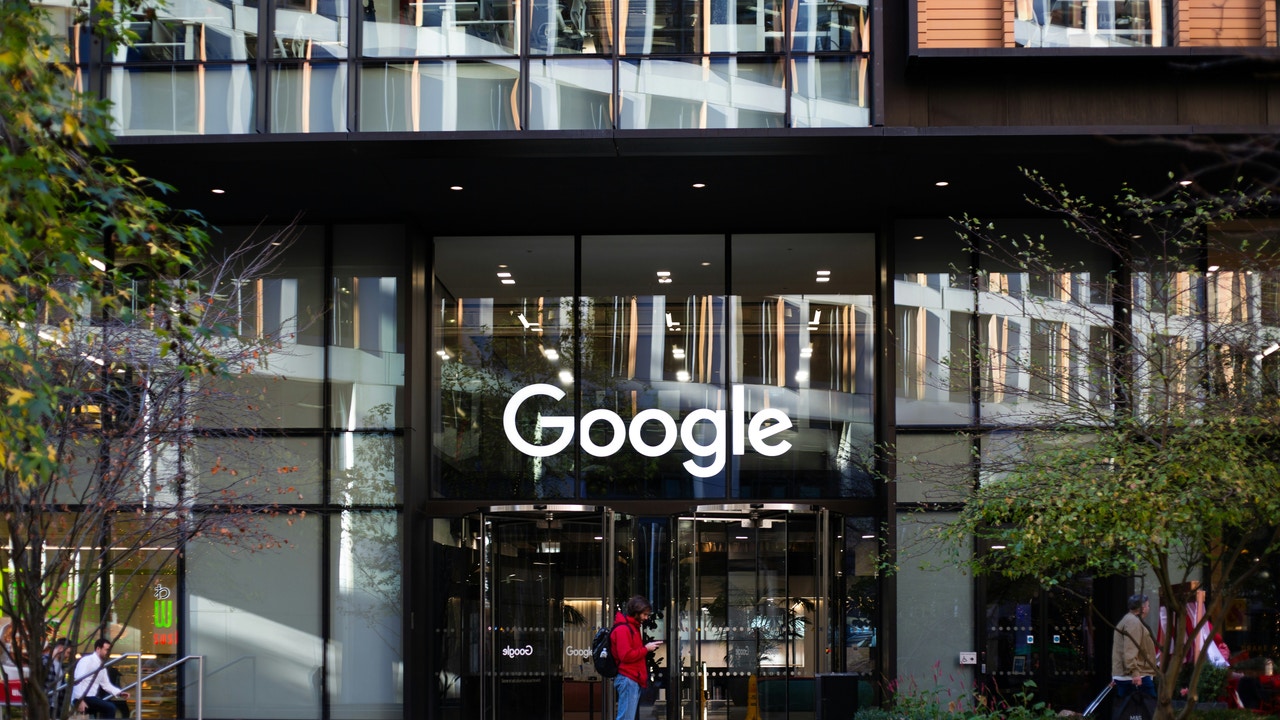
A federal judge ruled on Tuesday that the Google company can keep its popular Chrome browser, but forbade him to sign exclusivity contracts that force a user to use that browser, while he orders him to share the data obtained.
The US Department of Justice had requested the separation of Google and Chromeamong other measures to limit the monopolistic effects of his association, but Judge Amit Mehta did not go so far in his ruling.
Thus, Mehta has banned Google “to maintain any exclusive contract related to the distribution of Google Search, Chrome, Google Assistant and the Gemini application”, its artificial intelligence chatbot (AI).
Although he dictated that Google is not obliged to “get rid of Chrome or the Android operating system,” since “the plaintiffs were overwhelmed by requesting the forced divestment of these key assets that Google did not use to impose illegal restrictions.”
In addition, he dictated that Google will not be prohibited from making payments or offering other consideration to the distribution partners for installing Google Search, Chrome or its generative products, since this would cause “substantial damage” both in its partners and its consumers.
In 2023, Mehta already ruled that Google had violated antitrust laws in regard to their domain in internet searches.
In his ruling today, this judge recognized that “he has changed” after the end of that judicial process, and although Google is still “the dominant company”, the technologies of AI and especially generative AI “can change the rules of the game“
“Today, dozens of millions of people use Genai chatbots, such as Chatgpt, Perplexity and Claude, to collect information that they previously searched through internet searches,” he said about it.
After making the ruling known, Alphabet’s actions – Google matrix company – fired 6 % in the operations after the closing of Wall Street.
During the trial, The US Department of Justice has asked that the company get rid of some of its services, including its successful Chrome browser.
In contrast, the proposal of Google’s lawyers was much less ambitious in that regard, since they proposed to modify their exclusive contracts with companies such as Apple so that their service is embedded in their Safari browser.