
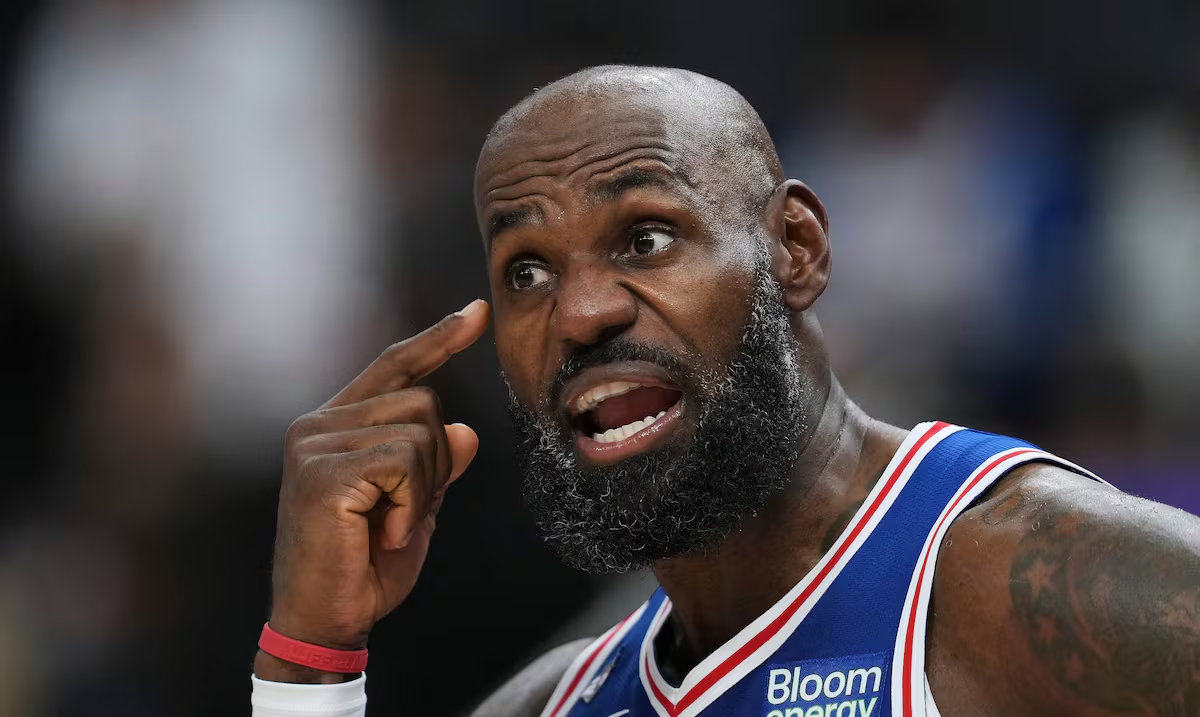
The superstar of the NBA LeBron James sued the makers of an AI sports betting app on Tuesday, claiming they have deliberately violated its publicity rights and trademarks by calling it “Bron” and using artificially generated images of him in its marketing.
In a lawsuit filed in federal district court in New York, James’ attorneys They described as “a deliberate and bad faith tactic” the use of the player’s fame, image and nickname to promote “a new and unknown product.”
The lawsuit asks the court to prevent the creators from using the name of the star of the Philadelphia 76ersto hand over any money they have already earned, and to award damages — including fair market value for the use of their name, as well as punitive damages.
“Defendants did not care that they engaged in illegal conduct to gain notoriety for their previously unknown application,” the lawsuit states. “They intentionally created the false impression that Mr. James endorsed and was affiliated with their Bron app, in an effort to drive downloads and paid subscriptions.”
Messages sent by The Associated Press through the app’s website and email addresses of its founders seeking comment were not immediately returned Tuesday.
The app’s developer, PlayVision Inc., is based in California. It was launched by CEO Anish Gupta and CTO Marc Zoghby in 2025.with the backing of the startup accelerator Y Combinator, as a program that would use artificial intelligence to analyze videos of matches and training sessions for sports teams and fans.
This year, the company launched its “Bron” app, which it says does not accept direct bets but charges a subscription fee for services such as bet tracking and odds comparison. This month it began a marketing campaign that included an image of a person resembling James — down to his tattoos, voice and No. 23 jersey — sitting in a locker room and scrolling through the app.
James’ attorneys sent a cease and desist letter, Front Office Sports previously reported. The company removed the ad, but not before it had been republished and viewed about a million times, the lawsuit said.