
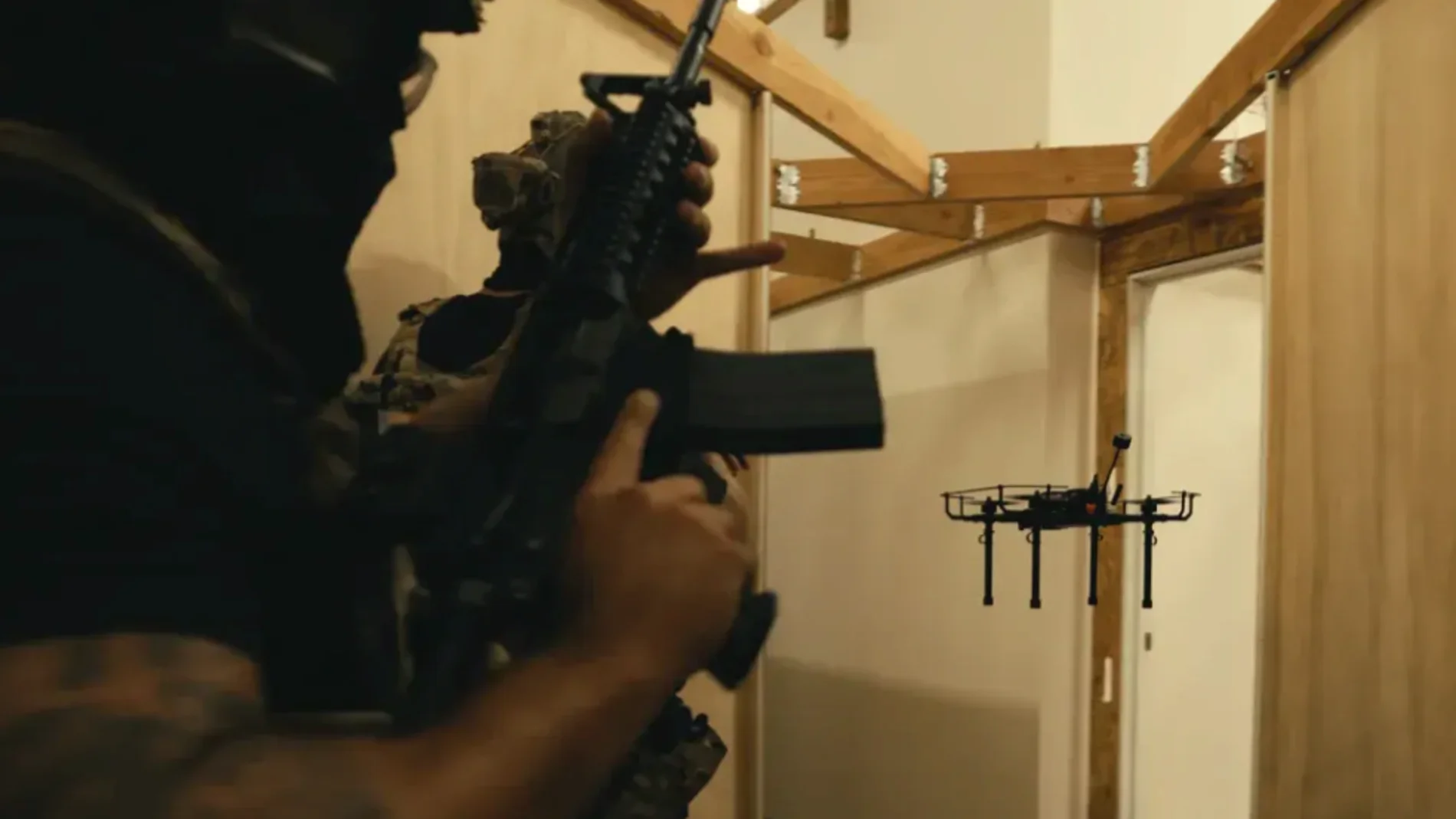
He Pentagon has commissioned 21,000 attack drones designed to enter buildings and hit enemy targets inside. The awards correspond to the first three classified in the combat category in closed spaces of Gauntlet II and are divided between Neros Technologieswith 8,000 Archer five inches, Orqa USwith 7,000 drones of the family MRM2and XTEND AI Roboticswith 6,000 Strikersaccording to Army Recognition, resulting in an average price per unit of $6,459, about €5,747.
Gauntlet II is the program’s second round of testing and recruiting Drone Dominancewhose final evaluation was held at Fort Carson, Colorado, between August 16 and September 5. Neros finished first in that category, followed by Orqa and XTENDin a competition that valued the performance of the devices, the experience of the soldiers who piloted them and the capacity of the companies to manufacture them.
Combat tests in closed spaces required overcoming obstacles that make it difficult to use conventional drones indoors. Among the requirements were power entering through a window and moving from room to room in an environment with electronic interferenceas well as carry out missions with distances less than two kilometers and warheads of at least 500 grams.
The selected Neros model is five inch archera compact quadcopter FPV. The manufacturer’s website indicates a maximum speed of 120km/hscope of 13 kilometers and autonomy of 20 minuteswithout specifying what load these benefits are obtained with.
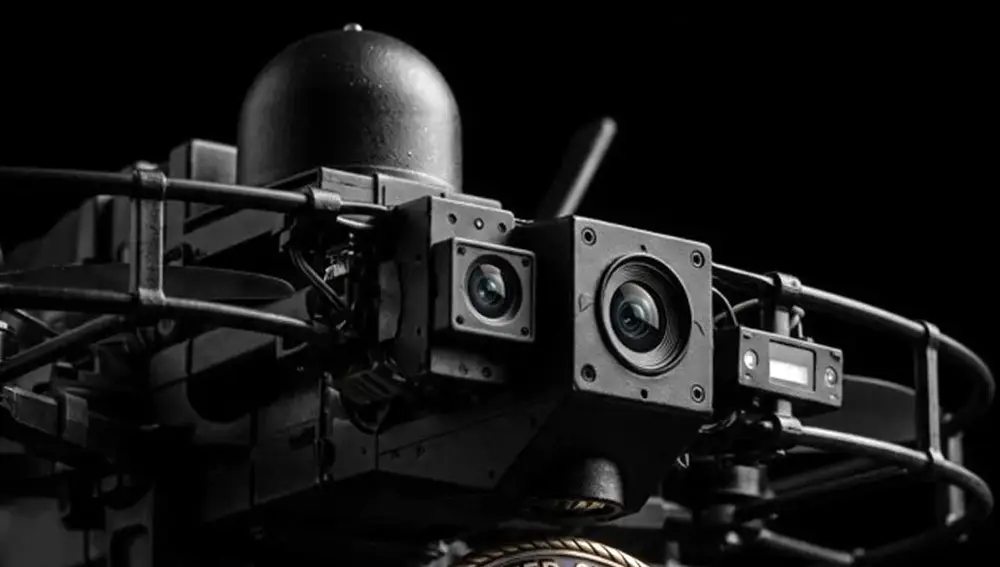
The device measures approximately 35 by 38 centimeters and can use propeller guards to operate in tight spaces. Its sensor options include a thermal camera 640 × 480 pixels and a light bulb both infrared and visiblemwhile his dual band control link It is designed to resist electronic warfare.
The system ordered from Orqa US belongs to the family MRM2 and includes a variant of eight inches for indoors and its ground control station. The company, which has not detailed the specifications of this model, will manufacture the equipment in Florida.
The third model is striker from XTEND, designed to operate in buildings, hallways and other spaces where satellite navigation signals do not reach. Use the operating system XOSwhich combines autonomy and artificial intelligence functions with human control, but the company has also not reported dimensions, speed, autonomy or weight of the warhead.
The contracts are part of Drone Dominance, a $1.1 billion Pentagon initiative to boost the manufacturing of cheap small attack drones purchased in large quantities. Your goal is to buy more than 200,000 units by 2027 through four phases of competitions, with orders that allow manufacturers to expand their production and consolidate an American supply chain.
Despite the effort, the scale is still much lower than that of Ukraineone of the world leaders in the manufacture and use of attack drones, although it is true that here we are talking about a specific American program and not the production of an entire country. Travis Metzresponsible for the program, has told Reuters that Ukraine will end 2026 having manufactured between six and seven million of small FPV attack drones, a rate at which producing 200,000 units would take approximately between 10 and 12 days.