
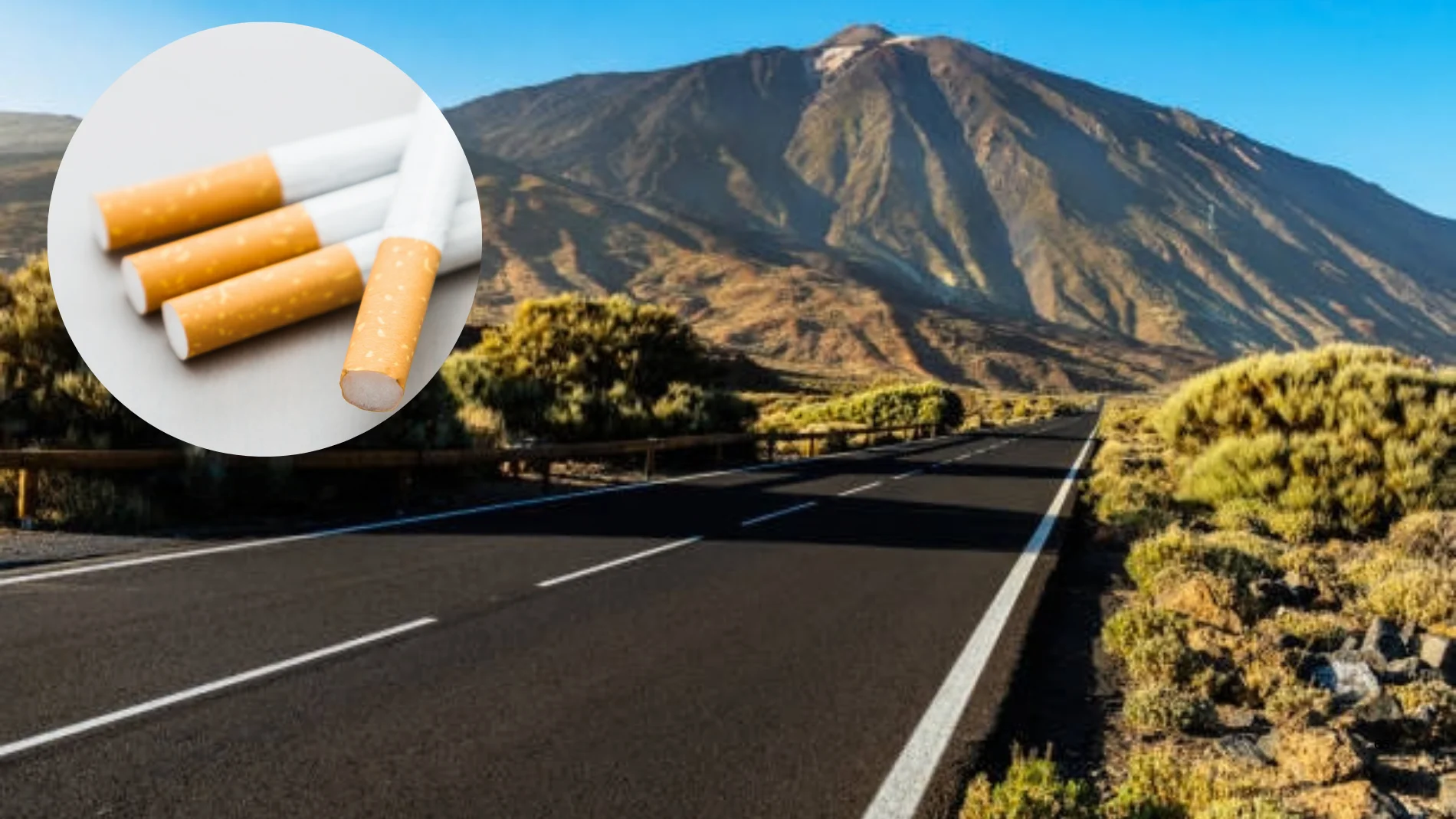
The high temperatures reached in large cities during the summer months are beginning to cause concern among scientists. The advance of climate change and the extreme weather conditions that are beginning to be experienced in more and more countries has caused elements such as asphalt ends up increasing its heat island effect in urban centers. For this reason, there are more and more projects to change its composition for a more permeable one.
According to a report published by AXA Climate, Madrid could increase its temperatures between 5.2 ºC and 5.5 ºC in the next 25 years, reaching a climate similar to that found in cities like Marrakech. Precisely, to reduce the thermal sensation and promote humidity in urban centers, Morocco has carried out a project in which they mixed asphalt with olive pits to reduce the heat island effect. Something similar to what some Australian engineers have done in Melbourne.
It all started in 2017, when some engineers from RMIT University, led by Dr. Abbas Mohajerani, decided to find a solution to one of the most polluting and common elements on the streets of almost all global cities: cigarette butts. The idea was to replicate the experiment carried out in other nations and include this element in the conventional asphalt mixture.
Cigarettes are one of the most abandoned polluting materials
The main objective was to reuse one of the most abandoned polluting materials in the world, cigarette butts. Its composition is not only based on tobacco and the additives added to it, but its filter is made with 12,000 cellulose acetate fibers, a type of non-biodegradable plastic. This means that, in contact with water, they can contaminate tens of liters, so they had to find an effective coating to avoid its effects.
To do this, they decided to encapsulate them using bitumen or paraffin before incorporating them into the asphalt mixture. Although contamination was not the only reason why they carried out this step, it was also to prevent the chemicals from ending up affecting the durability of the asphalt concrete. The tests carried out confirmed that the mixture could withstand traffic on Melbourne roads.
To achieve these results, the engineers had to carry out a series of checks and different mixtures until you find the most optimal one. Among the most determining factors was the material used to cover the butts. In the case of paraffin, it only guaranteed the correct condition of those roads that regularly support light traffic.
The mixture increased the porosity of the asphalt
On the contrary, in the mixture in which bitumen was used, the engineers achieved good results on both light and medium and heavy traffic roads. Specifically, and after many tests, they managed to find the perfect mix: asphalt combined with between 10 and 15 kg of cigarette butts encapsulated in bitumen per cubic meter. A composition that would not only maintain the quality of the roads and reduce the pollution generated by this waste, but also increase their porosity.
The results were published in ScienceDirect, where the engineers in charge of the experiment explained the benefits this could have in reducing the thermal conductivity of asphalt. Well, it is worth remembering that This material can heat up to 55ºC at an ambient temperature of 39 ºC, causing what is known as the heat island effect. Something that can be remedied if the permeability of the roads is improved.
Greater porosity will allow water to filter through the asphalt and reach the ground, forming aquifers and allowing them to evaporate during hotter episodes. This causes the temperatures reached around them to decrease. However, this is not its only benefit, it also reduces soil desertification. Results that, although they have not yet been applied on Australian roads, could bring enormous benefits to both the environment and the well-being of its citizens.