
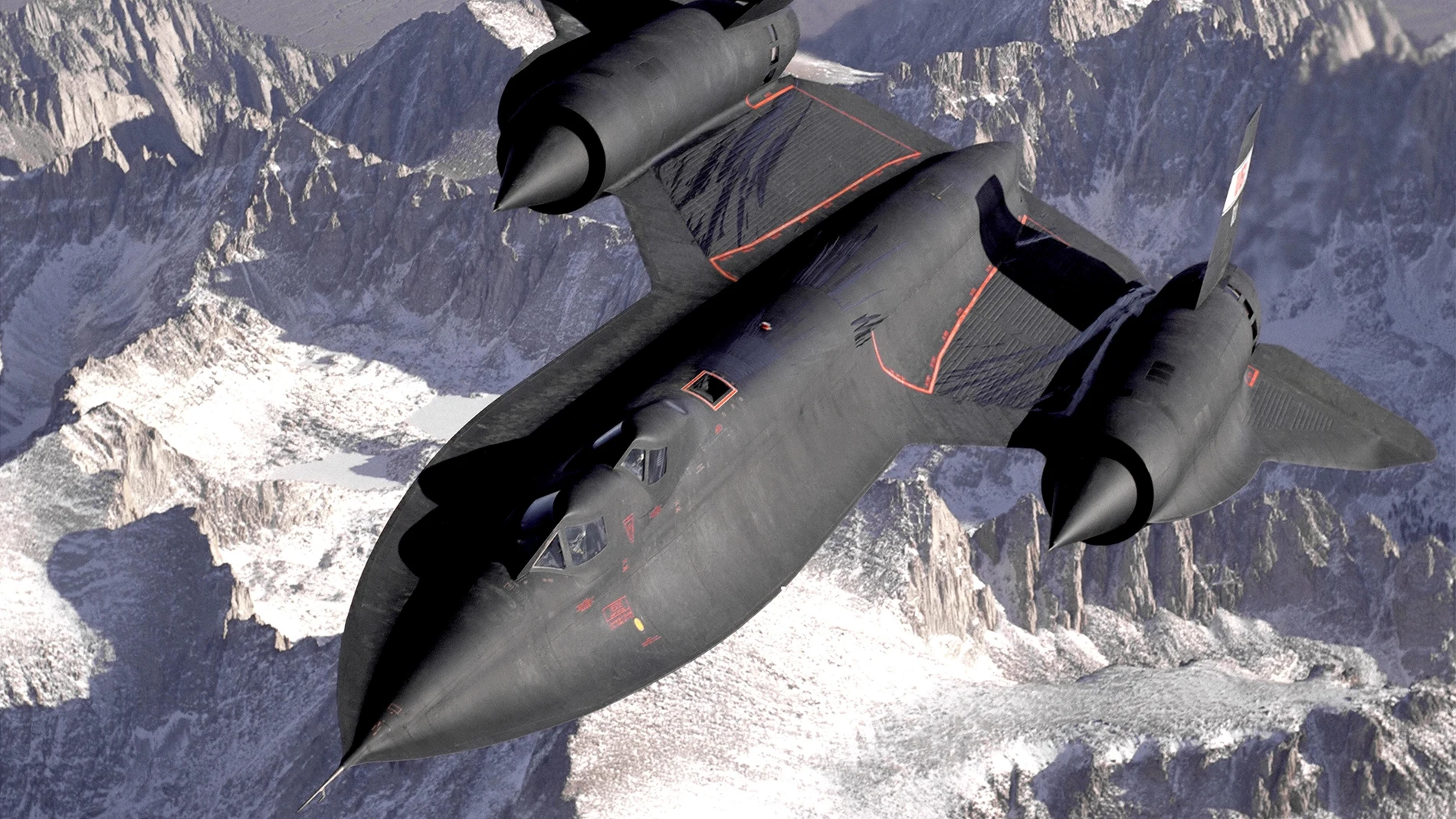
Almost 27 years after a SR-71 Blackbird took off for the last time, POT is studying make fly again one of the most extraordinary airplanes of the 20th century. The agency has not officially announced any programs, but its movements over the past few months point in that direction.
As revealed by Aviation Week, the SR-71A with serial number 61-7980 and NASA tail number 844 was removed this year from the outdoor display at the Armstrong Flight Research Center at Edwards Air Force Base in California.. Satellite images show that it had already disappeared before May 17 and was subsequently moved to the old hangar used by the space shuttle to be inspected.
During the summer, NASA contacted former Blackbird specialists to return to work on the plane. The media has confirmed that the former test engineer was among them Mike Reljawho received an offer of David Ashdirector of special projects at the agency, to help the 844 fly again.
Relja does not hide his doubts about the feasibility of recovering an aircraft that has almost three decades stopped. The former engineer has assured Aviation Week that he knows that ‘they have people working on it’although he added that, without the necessary equipment, you don’t understand what they can be doing.
The plane that NASA is trying to recover was also the last Blackbird to fly in the entire history of the program. On October 9, 1999, he reached Mach 3.21 and 24,400 meters altitude for the last time during an exhibition at Edwards. Another flight scheduled for the next day was canceled due to a fuel leak.
Before becoming a NASA scientific platformthe SR-71 had been developed by Lockheed for the Air Force of the United States as strategic reconnaissance aircraft. It entered service in 1966 and carried out surveillance missions at more than Mach 3, about 3,675 km/hand above 24,000 meters, precisely using its enormous speed and altitude to make its interception difficult.
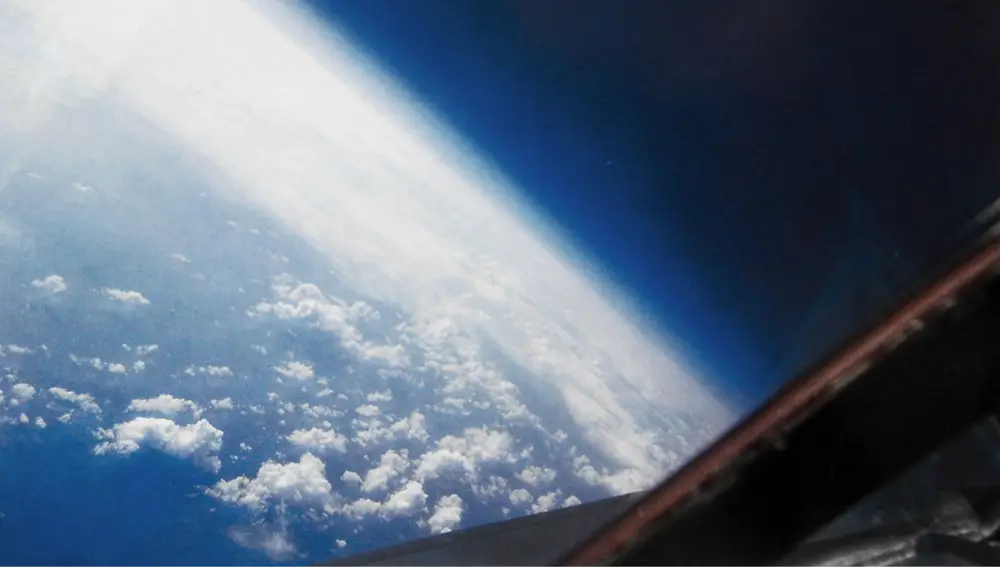
The Air Force initially retired its fleet in 1990 due to the reduction in the defense budget and its high operating costs, although some examples were later reactivated. NASA used 844 between 1992 and 1999 to investigate aerodynamics, propulsion, structures, thermal protection and instrumentation related to high-speed flight.
The Blackbird’s features continue to be exceptional even decades after its retirement. The SR-71A is 32.7 meters long, uses two engines Pratt & Whitney J58 and can maintain speeds close to Mach 3.2 thanks to a structure made mainly of titanium and different alloys of this metal, capable of withstanding the high temperatures generated during these flights.
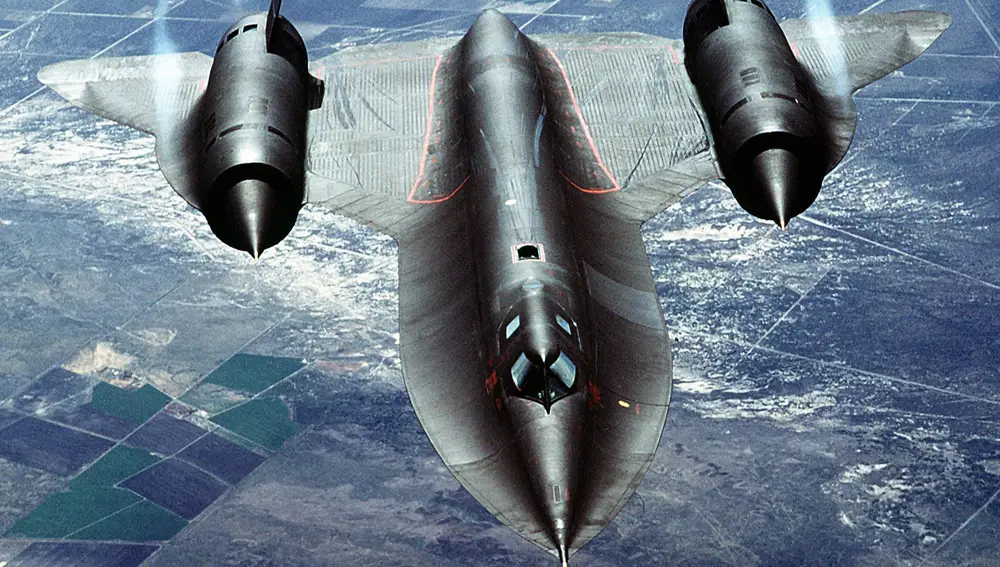
Returning 844 to the air would force rebuild part of the infrastructure that allowed it to operate. For Relja, one of the main challenges is its engines, which have been inactive for decades. Much of the specialized maintenance tools and equipment have disappeared and in 2007 a huge reserve of spare parts was eliminated from the program, adding to the need for fuel JP-7hydraulic fluids and other special consumables, ground equipment and training for new crews.
This possible return fits with the plans of the NASA administrator, Jared Isaacmanto recover more ambitious aeronautical research and rebuild the fleet of experimental aircraft x of the space agency. Isaacman has stated that They intend to fly again ‘as high and as fast as decades ago, and then even more’although NASA has not explained what function the SR-71 would have nor has it officially confirmed that it will return it to the air.
If it finally manages to overcome all the obstacles, the 844 could recover the role it already had during the nineties as test bench capable of transporting experiments at speeds and altitudes difficult to reach with other aircraft.