
The phenomenon of The Child It not only threatens to alter the climate in different regions of the planet. Its effects may also have consequences on the health of millions of people.
Therefore, the World Health Organization (WHO) has asked countries in the highest risk areas to strengthen disease surveillance and prepare your health systems to respond to possible emergencies.
The WHO considers that The period of greatest intensity of this episode will occur between November and early 2027which is why it calls on the authorities to take advantage of the margin offered by weather forecasts to anticipate its consequences.
During a presentation to the media, the head of the Risk Reduction, Humanitarian Operations and Climate Change Unit of the WHO, Teresa Zakaria, described El Niño as a “risk multiplier” for public health.
The impact, he explained, will not be the same everywhere. The consequences can be especially severe where extreme weather events coincide with fragile health systems, food insecurity and difficulties in accessing health care.
Droughts, floods and risk of cholera
One of the main reasons for concern is food safety. The WHO places among the highest risks malnutrition and cholera, both in territories affected by periods of drought and in those that suffer floods.
The problem also stems from an already delicate situation: more than 150 million people currently suffer from acute food insecurity. El Niño can add pressure on these populations by affecting food production and activities on which many households depend, such as fishing and livestock farming.
For this reason, one of the measures proposed by the organization is not to wait for the most serious episodes to arrive. Governments can advance the storage of medicines, medical supplies and other supplies in areas that are expected to be most exposed.
Diseases that can reach new areas
The change in temperatures and precipitation patterns is another major source of concern. These alterations can modify the conditions under which certain diseases develop and are transmitted.
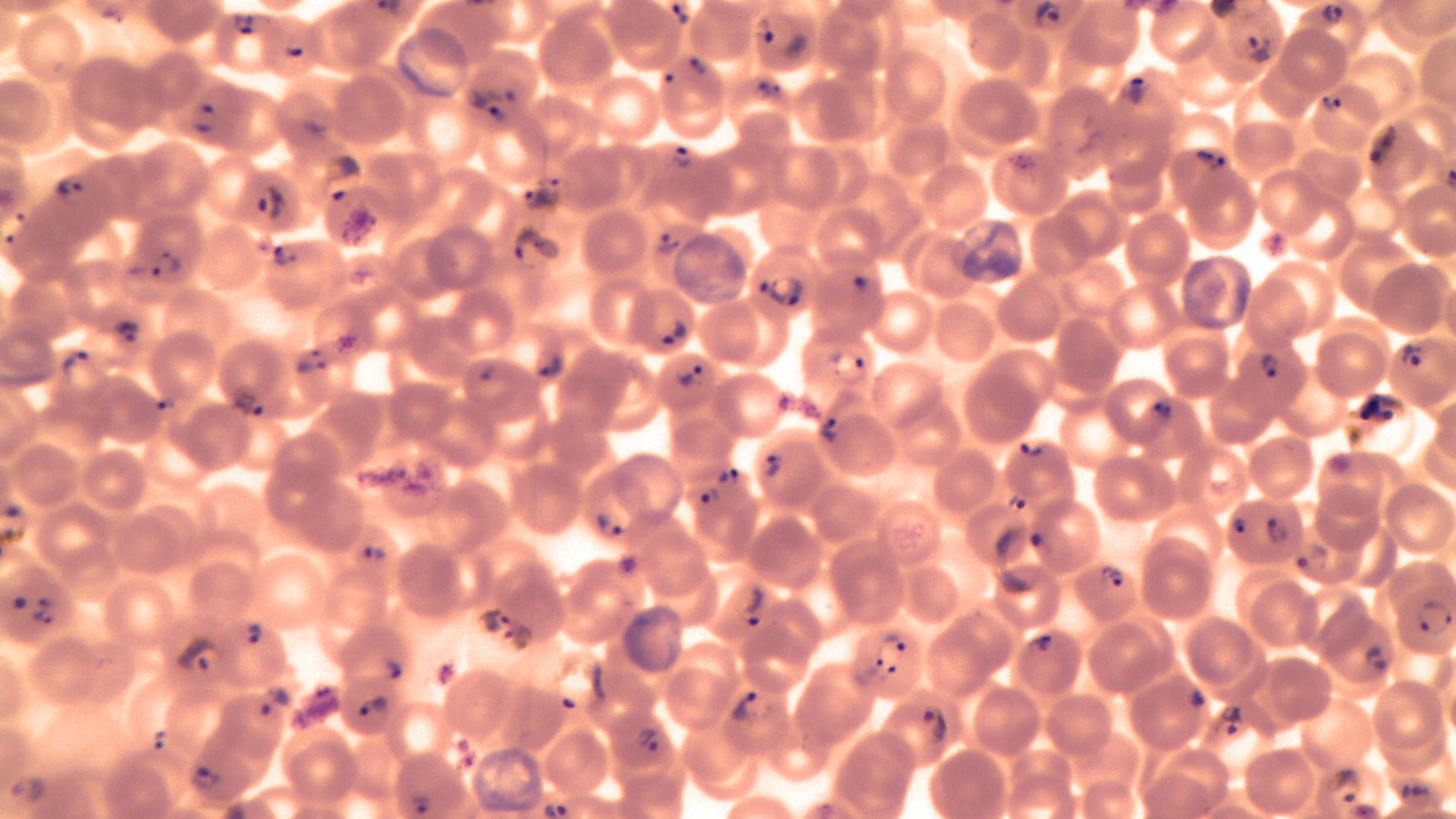
The WHO draws special attention to pathologies transmitted by mosquitoes, including malaria, dengue, chikungunya, yellow fever and Zika. Their distribution could expand to territories where they were not common until now, even to areas located at higher altitudes.
They can also increase the risks associated with waterborne diseases, especially when heavy rains cause flooding or when droughts create conditions that favor other health problems.
A phenomenon that arrives in a context of record temperatures
The advisor on extreme temperatures of the Joint Program on Health and Climate of the WHO and the World Meteorological Organization (WMO), Armel Castellanhas warned that El Niño is intensifying in a context of exceptionally high global temperatures.
Castellan recalled that the two warmest months in history have just been recorded, while sea surface temperatures have also reached record values.
Changes in precipitation resulting from the phenomenon can cause an unequal situation: more rain and floods in some regions and water shortages and droughts in others. These changes can in turn modify the presence and transmission of diseases.
The WHO asks to prepare before the worst scenario arrives
Given this panorama, the organization insists that there is still room to act. Weather forecasts allow us to anticipate where some of the greatest risks may be concentrated and prepare the necessary resources in advance.
“We have the forecasts, we have the science,” said Castellan. According to the expert, the WMO predictions offer health authorities a lead time that can make the difference between preparing in advance or limiting themselves to responding when damage has already occurred.
“We still have time to act”he stressed.