
The energy transition is not only a technological challenge. It is, above all, a transformation challenge that requires connecting knowledge with reality, science with industry and innovation with the needs of society. Lidia Caramazana, responsible for Naturgy’s biofuels innovation line, puts the focus there. In his opinion, generating knowledge is only the first step. Then you have to take it out of the laboratory, turn it into an industrial application and get it to the market. This journey between science and industry is usually one of the most difficult of any innovation process.
According to Caramazana, Naturgy wants to move right into that space. The company considers innovation not as an activity outside its business strategy, but as a tool to anticipate changes, test technologies and accompany the transformation of the energy system.
To organize this roadmap, the person responsible for the energy company’s biofuels innovation line defines five major horizons. Five fronts of the same challenge that involves producing cleaner energy, making better use of resources, managing increasingly complex networks and giving the consumer a more active role.
Second life for waste
The first of these horizons focuses on renewable gases and waste recovery. The idea seems simple, although putting it into practice is not so simple. It is about converting materials that today can be an environmental problem into useful energy. Agricultural, livestock and urban waste, in addition to sewage sludge, can be transformed through different processes into biomethane or other renewable gases.
Not everything can be electrified immediately. High-temperature industries and heavy transportation need alternatives to natural gas that take advantage of existing infrastructure. This is where biomethane, renewable hydrogen and synthesis gas come in. In biomethane, innovation covers anaerobic digestion, gasification, biological methanation, coelectrolysis and the use of artificial intelligence to optimize processes.
The second horizon points to emerging renewables. Photovoltaic solar and onshore wind have already reduced their costs, but the sea opens up new possibilities. Offshore wind, fixed or floating, takes advantage of more constant and powerful winds and encounters fewer land limitations.
Its development requires new materials, anchoring and flotation systems, network connections and measures to reduce the impact on coastal and marine ecosystems.
Intelligent grid operation occupies the third horizon. The entry of more renewables multiplies the generation points, increases variability and forces a more dynamic system to be balanced in real time. Artificial intelligence, sensors, data analysis and automation make it possible to anticipate consumption peaks or detect incidents before they become breakdowns. This way they can reduce costs and reinforce the reliability of supply.
The fourth strategy changes the focus and looks directly at the customer. Energy communities, self-consumption, home batteries and tools to manage demand allow users to participate more actively. The consumer can generate part of their energy, store it, share it and even sell it. For this change to work, energy companies will have to offer services that are understandable, flexible and adapted to different needs.
The fifth and last of the strategies addresses new energy vectors, such as renewable hydrogen and synthetic fuels. They are relevant for sectors that are difficult to electrify, including the steel industry, the chemical industry and long-distance maritime and air transport. To gain scale, renewable hydrogen must reduce production costs, resolve its transportation and storage, and have sufficient industrial demand.
These five horizons share the same condition. Innovation must solve real problems, pass the pilot test and find its place in the industry. In collaboration between companies and research centers, Naturgy points out three decisive conditions.
In collaboration between companies and research centers, the person responsible for Naturgy’s biofuels innovation line points out three decisive conditions. Strategic fit guides the work, scalability forces us to think about how to grow and integrate into the industry, and the team must share objectives, times and language.
An award that serves as a bridge
The Naturgy-CSIC Foundation Award fits into this context, presented as more than just recognition. It seeks to bring together scientific talent, knowledge and business vision, in addition to locating projects with real possibilities of advancing from research to applications with social and energy impact.
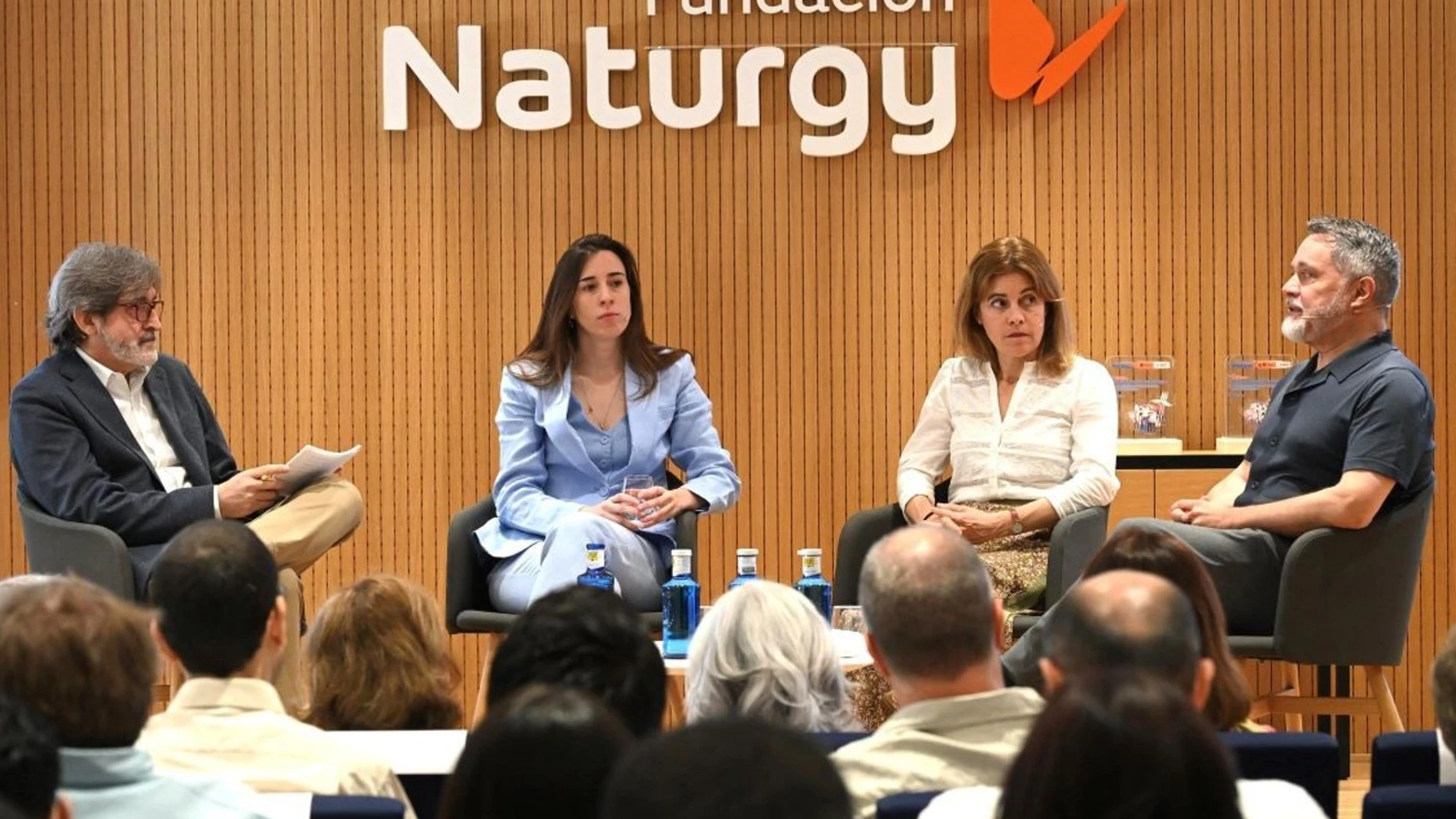
During the presentation of the IV Prize for Research and Technological Innovation in the Energy field of the Naturgy Foundation and CSIC, the participants highlighted the quality of scientific talent in Spain. The winning project, dedicated to producing new generation biomethane from complex streams, summarizes that connection well. It is based on a solid scientific base, addresses a specific energy challenge and fits with the commitment to renewable gases.