
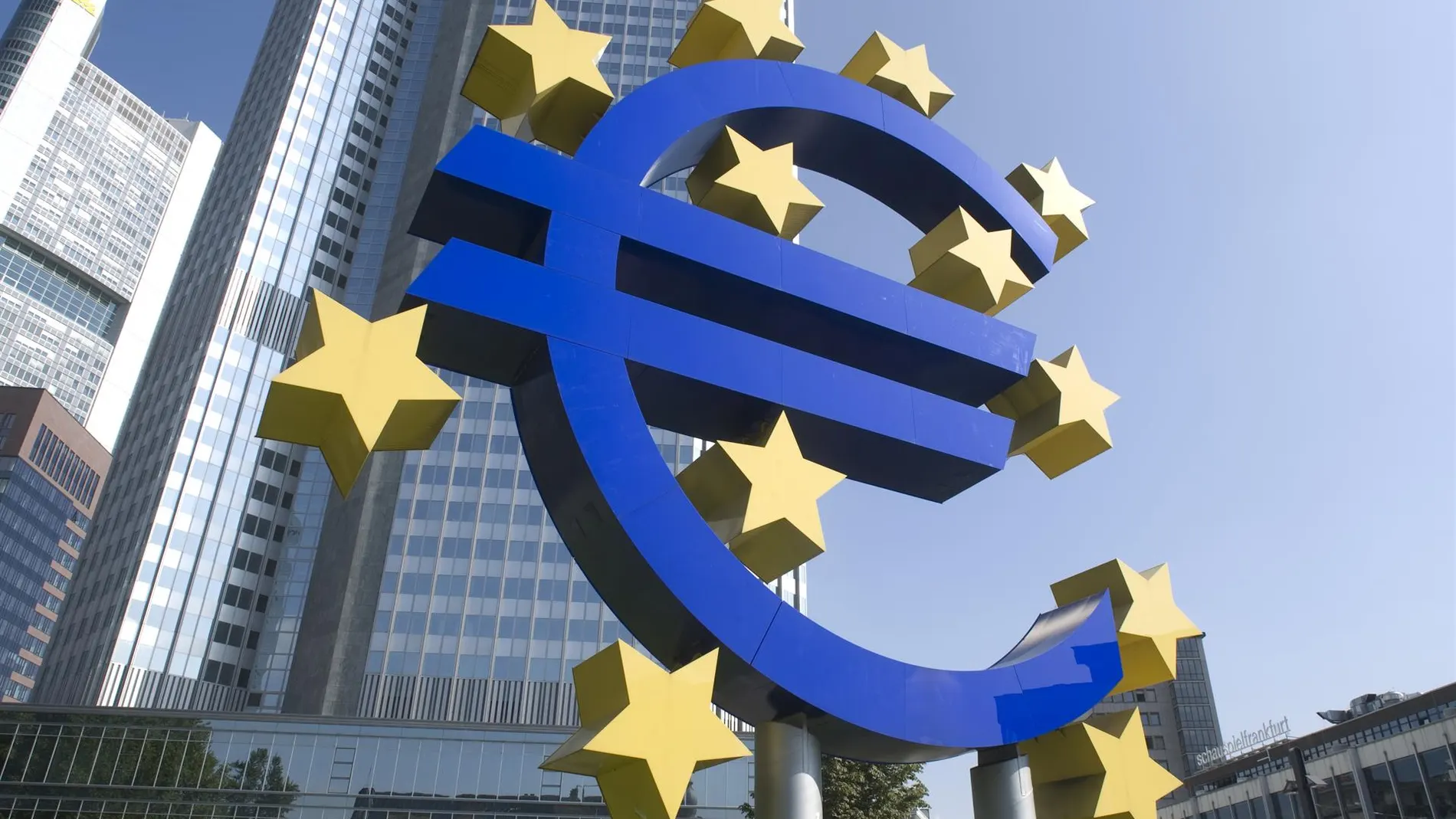
The arrival of the digital euro is an increasingly closer reality and, therefore, the Eurosystem is carrying out a pilot program with which to prepare its introduction in the simplest and most flexible way. A measure with which the European Union seeks to reduce dependence on private companies and improve European autonomy, with a digital currency that is as easy to use as cash itself.
In the midst of this process of modernization of the EU, other measures have already been announced that have also caught the attention of citizens of the Member States, such as the creation of a digital wallet with access to a unique and functional DNI and driving license for the entire European Union. This measure is planned to become available from 2027, unlike the digital euro, which is believed to could enter circulation around the year 2029.
However, the European Central Bank’s pilot program has more and more details, making it a viable project for implementation in the territory. Among the features of this program is the so-called DEAN, that is, the “Digital Euro Account Number”. Well, to facilitate the payment system between countries, have wanted to create the equivalent of the IBAN for their accounts.
This is how the DEAN code will work
Its operation is simple. Just like bank accounts are universally and unambiguously identified with the IBAN, that is, the International Bank Account Number; The accounts associated with the digital euros will have a unique identifier, the DEAN, the digital access number to the euro. The objective of this code will be uniquely detect the end user account within the domain of the payment system provider,” explains the European Central Bank.
All thanks to a code of 18 alphanumeric characters that will always begin with “EU” and that is created and assigned through the Euro Digital Services Platform. To do this, you will only need to register and request the DEAN to link it to the personal account. Individual users may only have one DEAN assigned to their account, while companies may have several.
Unlike the IBAN, this code does not provide personal information such as the person’s place of origin or residence, although it does specify whether it is an account used for private or personal purposes. Thanks to this number, users will be able to access their digital euro account and make purchases or transfers. However, to facilitate the latter, It will not be necessary to know the 18 characters of the DEAN.
Can be linked to mobile phone
Because one of the main objectives of this project is to streamline purchases and money transactions between citizens of the European Union, the DEAN may be linked to an alternative alias. This alias can be the phone number of the person who owns the account, but it is important to note that only one allowed per end user.
One of the biggest concerns that the news of the digital euro has generated is the constant surveillance of the movements and purchases made with them. Unlike cash, the digital euro is registered. However, the Central Bank has explained that unique identifiers They cannot be used directly to identify the owners of the accounts.
Although the arrival of the digital euro is not expected to become a reality until 2029, the ECB wanted to reassure the citizens of the Member States by ensuring that the euro in cash will continue “to be legal tender, while the digital euro is being shaped”, so Its use will not be mandatory.