
The declassification of about 40 documents related to the Ceuta migration crisis has once again confronted the Government with the opposition over an issue that has been on the table for weeks: what information did the Spanish authorities have before tens of thousands of people tried to access the autonomous city from Morocco.
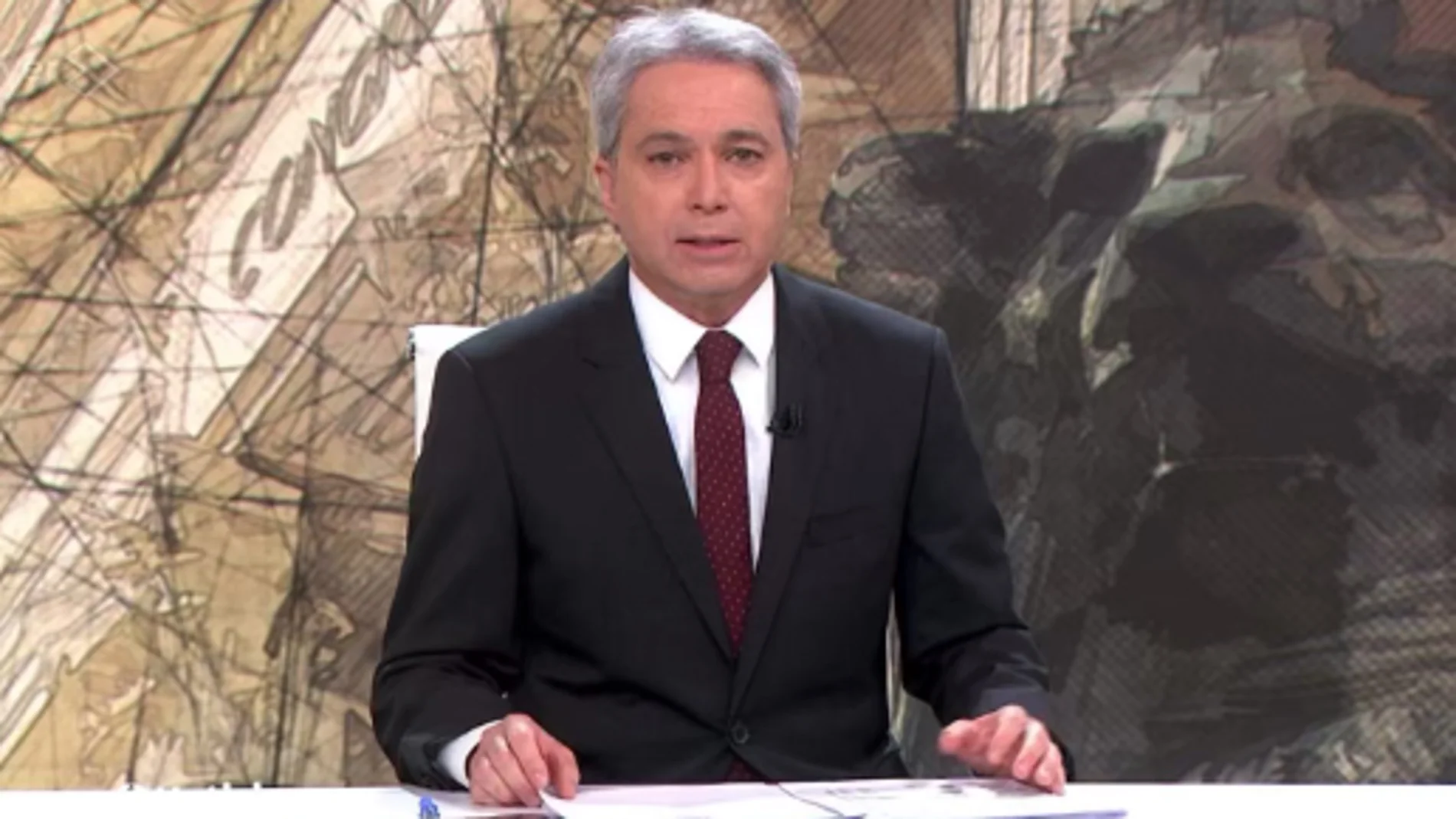
Vicente Valles has dedicated its analysis this Wednesday to these reports and has directly questioned the version defended by the Executive. The journalist remembers that two arguments had been maintained from Moncloa. The first, that there was no warning that would allow us to anticipate what was going to happen and the second, that Morocco had no responsibility for the events.
The known documents now include, however, different warnings made during the immediately preceding days. Among them appears a military intelligence report dated the same July 30 who considered it “very likely” that during that day a massive entry would be attempted taking advantage of the celebration of the Throne Festival in Morocco.
“Now we can confirm with data and documents that the Spanish Government has not told the truth about either one or the other,” Vallés maintains in his analysis.
Vallés charges against the Government’s response
He Antena 3 News presenter It also focuses on the notices that had circulated before the crisis. The CNI, according to declassified documentation, was aware of calls spread through social networks to try to enter Ceuta and even passed information to the Moroccan intelligence services. One of the monitored groups gathered around 160,000 members.
There were also warnings from Immigration. A report of the July 28 spoke of a “consolidated and priority” threat and an “extreme” risk of a massive entry, after detecting an increase in swimming arrivals and movements on social networks.
It is at this point where Vallés launches one of his strongest criticism of the president.
“This, we already said, we can confirm now with documents that have been declassified by the Government itself. But we already knew it, because the evidence was obvious to everyone, although the President of the Government, unresponsive to discouragement, insists on denying reality,” he says.
Pedro Sánchez responds after the publication of the documents
Hours after the reports became known, Pedro Sánchez has publicly defended the executive action and has rejected that the warnings allowed us to anticipate what finally happened.
The president points out that the CNI reported on July 29 of a call spread in two Facebook groups to enter Ceuta irregularly during the week of the Throne Festival. According to Sánchez, these groups totaled around 180,000 followersbut maintains that that information was being monitored and that at that time it could not be interpreted as a sufficient indicator of “the scale, nature or probability” of subsequent events.
Sánchez adds that the CNI conveyed this information through a brief call to the Government Delegation and the Civil Guard and emphasizes that did not issue a higher level alert to the chain of command of the Armed Forces, the National Police or the Ministry of Defense.
His conclusion is that, with the data available at that time, “no one could anticipate the migration crisis that occurred on the 30th and 31st.” An interpretation that clashes head-on with the reading made by Vallés of some documents that have once again placed at the center of the debate what the Government knew before the Ceuta crisis and how far the warnings received really went.