
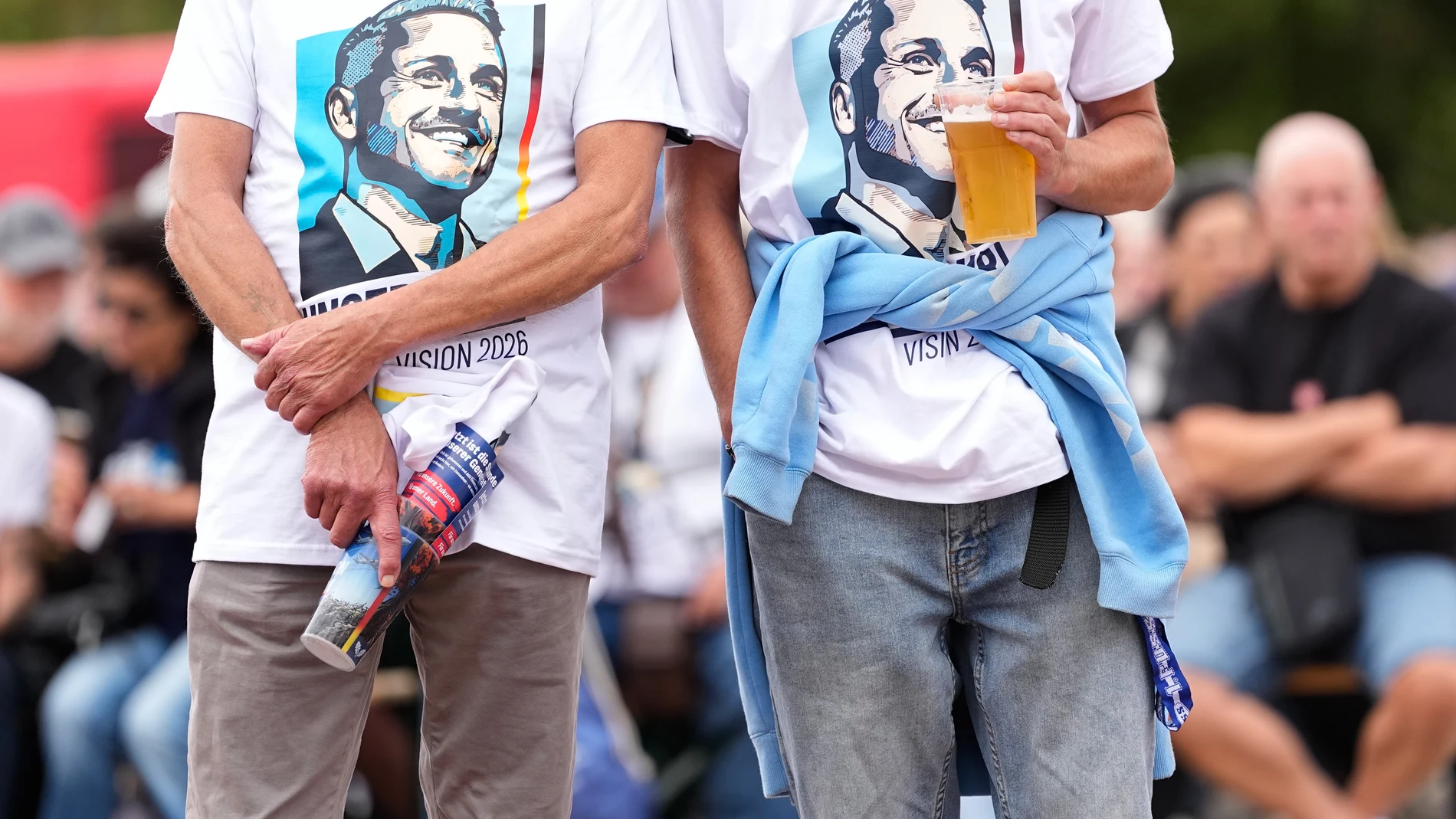
Is Alternative for Germany heading towards an absolute majority in Saxony-Anhalt? What particularities does this “Land” of the former GDR have that the extreme right has been able to attract so many protest votes?
Indeed, the polls indicate that the AfD can garner between 40-43% of the votes in this Land, but we also know that the polls are not exact, since there is a large proportion of voters who decide at the last minute. Saxony-Anhalt shares similar characteristics with other Länder: a low partisan connection, a scarce implementation of civil society organizations, little influence of churches, an aging population and a markedly rural character, in addition to being affected by deindustrialization since the 1990s. It is also important to note that the popular CDU regional president retired relatively late—just a year ago—to hand over the leadership to a hitherto little-known successor. Furthermore, the CDU showed signs of a certain ambiguity towards the AfD during the campaign, which makes it difficult to form an “all against AfD” strategy capable of mobilizing the electorate, as occurred in the 2024 elections in Brandenburg or Saxony.
In view of the projections, is a regional government without an Alternative for Germany still possible?
It all depends on whether the “small parties”, the BSW, the Liberals or the Greens, enter Parliament. In that case, there would be the possibility of an alternative majority. Furthermore, it largely depends on whether undecided voters are ultimately inclined to vote for democratic parties. At the moment, the traditional parties are focused on demonstrating the negative consequences of an AfD government for society and the economy of the Land.
Has the “cordon sanitaire” or “firewall” that you say in Germany failed? Does it help the AfD to present itself as a victim of the ‘establishment’?
At the federal level, the “firewall” remains firm; However, it is recognized that, at the local level, it is almost impossible to maintain it. However, the party presents itself as a victim of the establishment, denouncing the exclusion of an important part of the electorate from the possibility of governing. This perception also connects with a part of its electorate, which identifies with the experience of the “losers of reunification” and with the feeling of having been left out of the benefits of the process of economic, social and political transformation after 1990.
What consequences will this Sunday’s elections have on the Grand Coalition? Will we see changes in the leadership of the CDU and SPD?
In the CDU, a major reshuffle of its ministers has taken place before the summer break, and no new changes are expected. In the SPD, which predicts a result below 10%, and which will be similar to the result of the previous elections, changes are not expected at the federal level either. However, at the party’s bases there is unease over the planned reforms of the pension system and changes in the direction of the party are not ruled out.
Merz’s popularity does not rebound. Is the chancellor the problem? Could another chancellor better face the AfD, which has been leading federal polls for months?
According to recent polls, Chancellor Merz has the worst popularity on record for a chancellor at this point in his mandate. However, he is convinced that the reforms he is promoting will soon have positive consequences. The problem is not so much the chancellor as the population’s expectations of seeing quick solutions to structural problems. The complex political process cannot offer immediate answers to these challenges. However, the AfD promises to facilitate them.