
A third of the oil and gas consumed by the planet comes from the Middle East and a good part depends on the maritime passage through the Strait of Hormuz, between Iran and Oman, through which around 20% of the world’s gas and oil circulates. This traffic has been practically paralyzed since the outbreak of the conflict between Iran and the United States, exposing dozens of countries to volatile prices and risk of shortages.
As the UN Secretary General, António Guterres, has already warned “The turbulence we are witnessing in the Middle East makes clear that we face a global energy system largely tied to fossil fuels, where supply is concentrated in a few regions and every conflict risks sending shock waves through the global economy, especially the most vulnerable people.”
The United Nations diagnosis coincides with what the International Energy Agency (IEA) has been repeating since the crisis in the Persian Gulf worsened. Its executive director, Fatih Birol has come to describe the episode as one of the biggest energy security crises in recent decades.with disruptions that, according to the agency itself, could surpass the oil crises of the 1970s.
Birol has insisted that, beyond achieving a lasting ceasefire between Iran and the United States, the episode has left its mark on the way in which governments plan their energy, many governments review their energy strategies and seek not only to look at the most economical option, but also at the safest. According to the head of the IEA, factors such as predictability and diversification of sources will become as important as price when making decisions, in what he defined as a “new chapter” for the energy sector. Furthermore, in his opinion, the Strait of Hormuz has lost some of its reputation as a reliable route for global energy trade.
Renewables, at historic highs
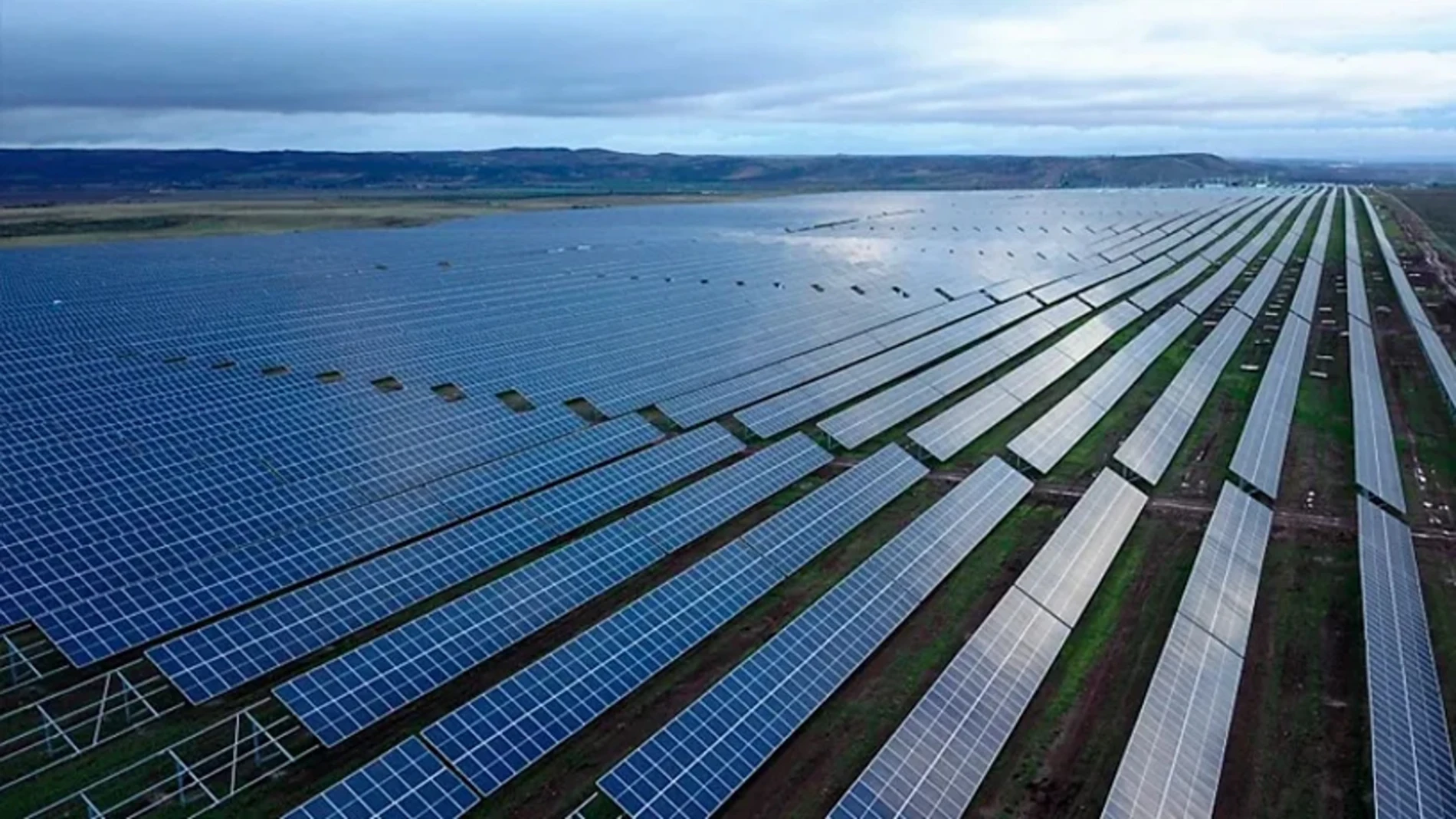
While oil and gas are going through one of their most turbulent moments, renewable energies are setting records. According to the Renewable Capacity Statistics 2026 report, from the International Renewable Energy Agency (IRENA), global renewable capacity reached 5,149 gigawatts in 2025, 15.5% more than the previous year, which made renewables represent 85.6% of all new electrical capacity installed in the world. The report itself links this impulse to geopolitical instability, noting that the escalation in the Middle East is pushing more countries to look towards national generation sources.
It is the argument that Guterres has been defending for more than a year, “Renewable energies now almost equal fossil fuels in installed capacity”stressing that “there are no price increases for sunlight or embargoes on wind” and that they are already “the basis of energy security and sovereignty.”
Four countries, the same pattern
According to the UN Energy Statistics Pocketbook 2026, published by the UN Statistics Divisionthis change is already a reality in countries such as Norway, Paraguay, Nepal and Ethiopia, which have become a global reference, which have made hydroelectric power—along with solar and wind power in some cases—the basis of their electrical system, reducing foreign dependence, making energy cheaper and expanding access to electricity.
Data from the International Renewable Energy Agency (IRENA) show that the transition is advancing at very different rates depending on the region. Asia already concentrates the largest volume of renewable capacity in the world, followed by Europe, while Central America and the Caribbean continue to have the lowest installed capacity, a disparity that for IRENA reflects the vulnerability of economies with low renewable penetration. The UN had set a goal of tripling global capacity by 2030, but IRENA warns that, at the current pace, the world could fall short due to the geographical concentration of investments.
Despite the differences in context, Both the United Nations, IRENA and the IEA agree on a common pattern, in geographies as different as Norway, Paraguay, Nepal or Ethiopia, renewables improve energy independence, They stabilize costs and reduce exposure to international crises such as the one currently going through the Strait of Hormuz. Added to this are additional benefits, from job creation to reducing household air pollution, which especially affects women and children in developing countries.
The transition, however, is not uniform and significant challenges remain, particularly the financing and infrastructure needed to replicate these models in more vulnerable regions. As Guterres summarizes, “the energy transition is unstoppable” and renewables “can put power, literally and figuratively, in the hands of people and governments.” The question that remains open is at what speed, and with what degree of equity between regions, this change will occur.