
This Monday begins, with the arrival of September, the new political course and the situation of migration crisis that continues to be experienced in Ceuta has pushed aside the rest of the issues that aspired to take over the parties’ agenda. Aware of the importance of this crisis and the reputational damage that the Government’s management is doing to Pedro Sánchez, the PP is committed to redoubling its presence in the autonomous city throughout this week. In addition, they are making important efforts to ensure that the rallies in support of Ceuta that will take place in various town halls next Wednesday are a success.
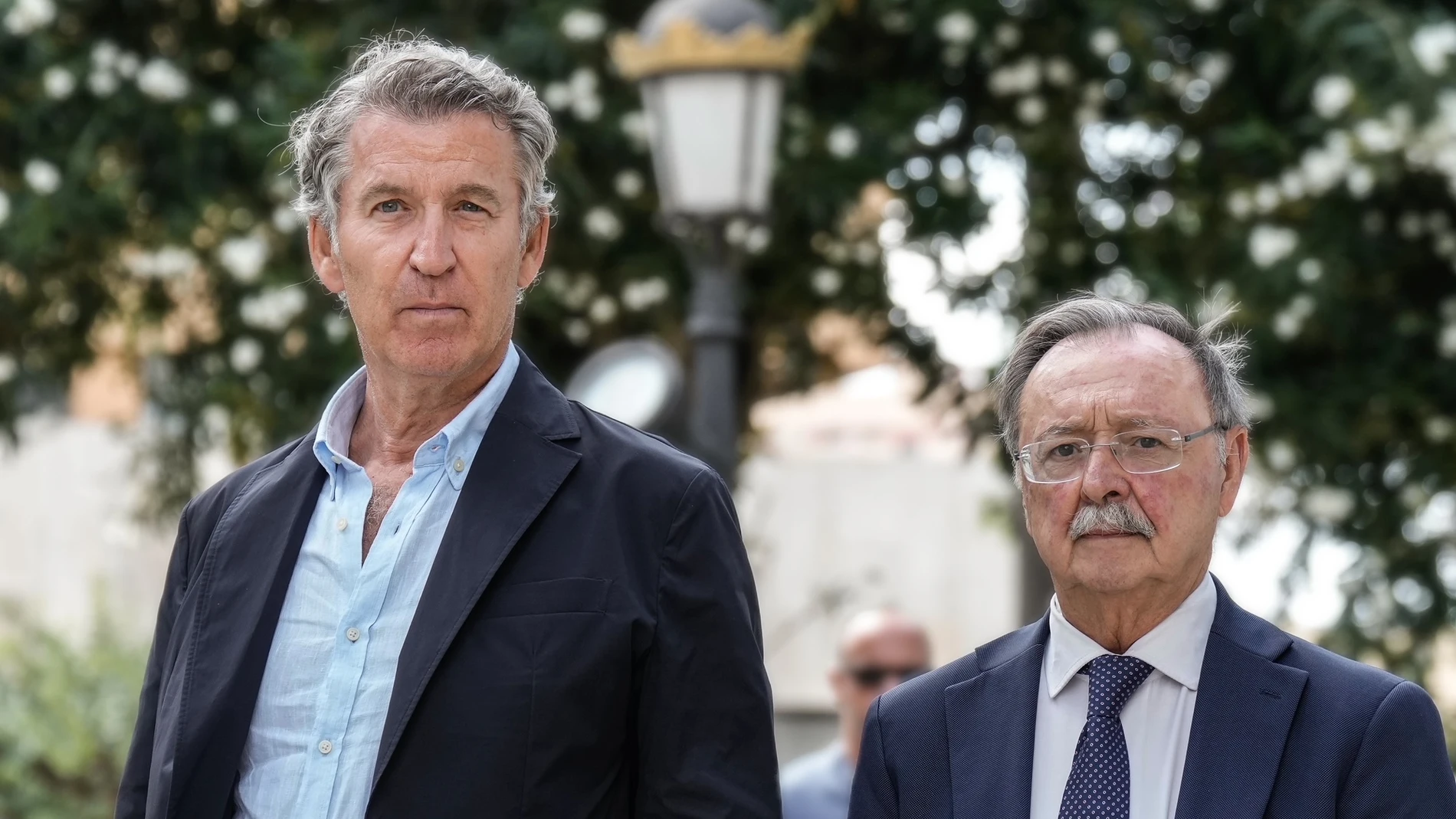
The president of the PP, Alberto Núñez Feijóo, will return to Ceuta next Wednesday. Their visit will take place on the eve of Sánchez’s appearance at the Extraordinary Plenary Session of the Congress of Deputies and, with it, they seek to give the image of a leader who truly cares, who is on the ground, in the face of an Executive that they consider absent.
“Feijóo will visit the city for the third time since the crisis broke out, in front of a President of the Government who has preferred to follow her from his deck chair,” say PP sources.
The leader of the Executive traveled to Ceuta on July 31, as soon as the assault occurred, and immediately afterwards he went to La Mareta, where the summer residence of the presidents of the Government is located. Since then, he has only been seen in telematic meetings from Lanzarote or occasionally in Madrid. The rest of the ministers in his cabinet have followed a similar trend of specific visits. In fact, this weekend, despite the fact that the crisis remains deeply open, the only record on the agenda of the members of the Government is an interview that Ángel Víctor Torres, head of Territorial Policy, gave on Saturday to TVE.
Today, Monday, the deputy general secretary of the PP, Juan Bravo, will also be in Ceuta, who has already visited the autonomous city on multiple occasions. “Pedro Sánchez has been in Ceuta the same times as José María Aznar, while Juan Bravo has been more times than all the members of the Government combined,” say PP sources. “Our continued presence in Ceuta is a way to demonstrate our commitment to the people of Ceuta, but also to the defense of our country’s borders,” they add.
The Government’s poor response to the crisis in the city has also earned it the reproach of its own parliamentary partners. Throughout the different appearances that were recorded last week in Congress, the different groups agreed in criticizing that the Executive’s response was not up to par (a PNV deputy said that the State was “absent”) and in verbalizing that they did not understand why the Government insists on exonerating Morocco for everything that has happened.
Along these lines, Podemos has gone further and has sent a letter to the European Union asking the Commission “to act urgently in the face of the humanitarian crisis in Ceuta after the negligent management of the Government and the racist attacks against migrants.” From Sumar, they have criticized the PSOE for “denying Morocco’s responsibility” in the assault. According to its parliamentary spokesperson, Verónica Barbero, the neighboring country “has looked the other way and has allowed this situation to occur” if it “has not directly encouraged it.”
Demonstrations in Ceuta
Another of the keys to this week of the start of the political course is the hundred of demonstrations that are going to take place in hundreds of Spanish municipalities next Wednesday, September 2, coinciding with Ceuta Day. The objective is to support the city of Ceuta and make its inhabitants feel that the rest of the country is with them.
Called by the Spanish Federation of Municipalities and Provinces (FEMP), chaired by the PP, it has been announced that the concentrations will take place in more than 260 municipalities throughout the peninsula and the islands. If successful, the rallies will offer a very powerful image that does not leave the Government in a good light either.
In fact, it became known this weekend that the PSOE is sending a letter to its public and elected officials asking them not to support Wednesday’s rallies in any way. In the letter, the socialists accuse the PP of trying to make partisan use of the humanitarian crisis in the autonomous city to use it as a political weapon against the Government.
However, the deputy secretary of Autonomous Policy of the PP, Elías Bendodo, announced yesterday that his party will call rallies in support of Ceuta in those municipalities where the PSOE governs and whose mayors do not participate in the call. According to him, the demonstrations are intended to be “in favor of Ceuta, of the people of Ceuta, and to demand an urgent solution, a return to normality for this city.” “They are not against anyone,” said the popular leader.