
Childhood is one of the most important times in a person’s development. At this stage not only They learn to relate to other people depending on how their family environment behaves, but it is also their first contact with emotions such as anger, sadness or frustration. Therefore, when they are exposed to degrading conditions or abuse at such a young age, their brain is not able to assimilate it as an adult would.
When a child learns and grows in an environment of violence and abuse, whether physical or psychologicaldeep and severe damage occurs to your mental healthwhich will continue to carry into adulthood. This can develop serious emotional problems such as low self-esteem, anxiety, depression, or even post-traumatic stress disorder. That is why psychiatry specialists warn of the vulnerability of the little ones to this type of attacks.
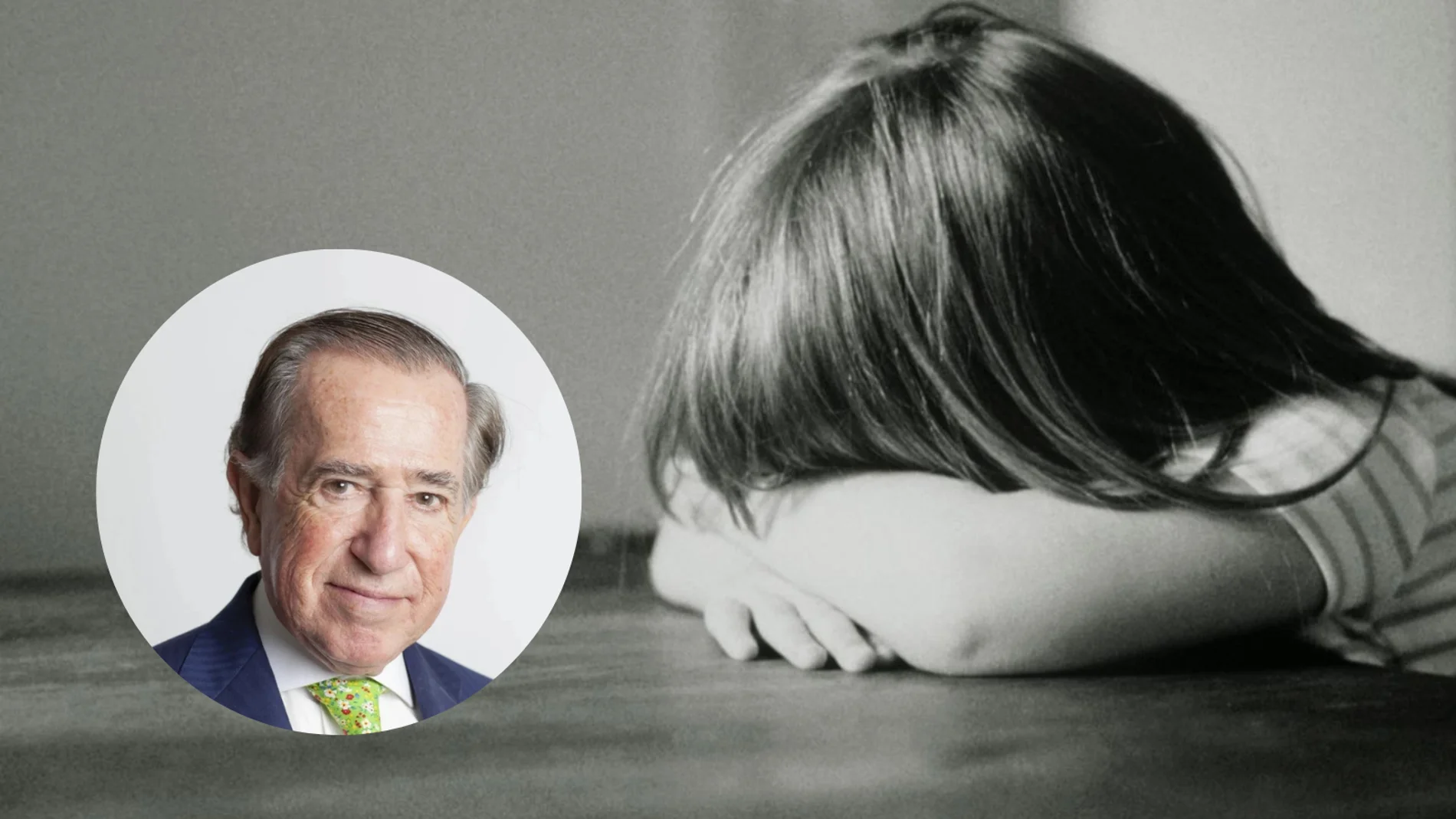
As explained by the Spanish psychiatrist Enrique Rojaschildren are not able to understand that the abuse they receive is not their fault, but rather that of those who had the duty to educate and protect them. “When a child is abused as a child with all the innocence he has, look what an amazing thing, He comes to believe that if he is treated this way it is because he deserves it.“says the doctor.
Childhood violence provokes feelings such as guilt or hopelessness
Well, by nature, the little ones trust everything their parents say and do. Therefore, as UNICEF explains, both when psychological abuse is exercised, using words that humiliate or hurt the child, and when physical violence is exercised against him, he understands that it is because he deserves it and Those words are what define him as a person..
This causes that, in addition to the physical or psychological pain itself, which they end up experiencing at a very early age caused by “lack of appreciation, contempt and even physical harm“, adds to a feeling of animosity towards himself. This feeling will cause, as he grows, he will acquire feelings such as guilt, hopelessness, or apathy.
According to Enrique Rojas, the child will end up “considering that he is a tainted being, instead of realizing that He had some people by his side who were simply not well at all.“and that they did not offer him the care and protection that they should have. And although the consequences of abuse can be worked on later in therapy, This process will be quite hard and time-consuming..
The brains of abused children are similar to those of soldiers exposed in combat
Well, a study published by the University of London in 2011 discovered that the brains of children who had been victims of child abuse showed signs similar to those that could be observed in soldiers who had been exposed to wars and combats. The features they detected were greater activity in areas dedicated to threat detection, as well as a greater propensity to suffer from anxiety.
their brains remain in a state of hyperalertsince they learned to detect any change in the mood of their parents or family members that could indicate a physical or verbal attack towards them. Likewise, UNICEF explains that they can also develop other types of defense and adaptation mechanisms in the face of constant exposure to violence, such as extreme obedience or, in contrast, replicate observed violent behaviors.
How to educate without violence and where to ask for help when dealing with child abuse
That is why parents must avoid physical punishment and humiliating words towards their children, because although it may seem that they are a simple corrective, they can end up causing serious problems in the mental health of the little ones, as well as a gradual deterioration of the relationship. The most recommended by experts is maintain a positive discipline stancein which, although fixed rules and limits are established, there is no shouting or lack of respect for any of the parties.
Likewise, children have the right to be protected from any type of violence. For this reason, from the European Union, in collaboration with the Government of Spain and the Anar Foundation, a child helpline. This line, with phone number 116111offers free care and help to the little ones, throughout the EU and 24 hours a day.