
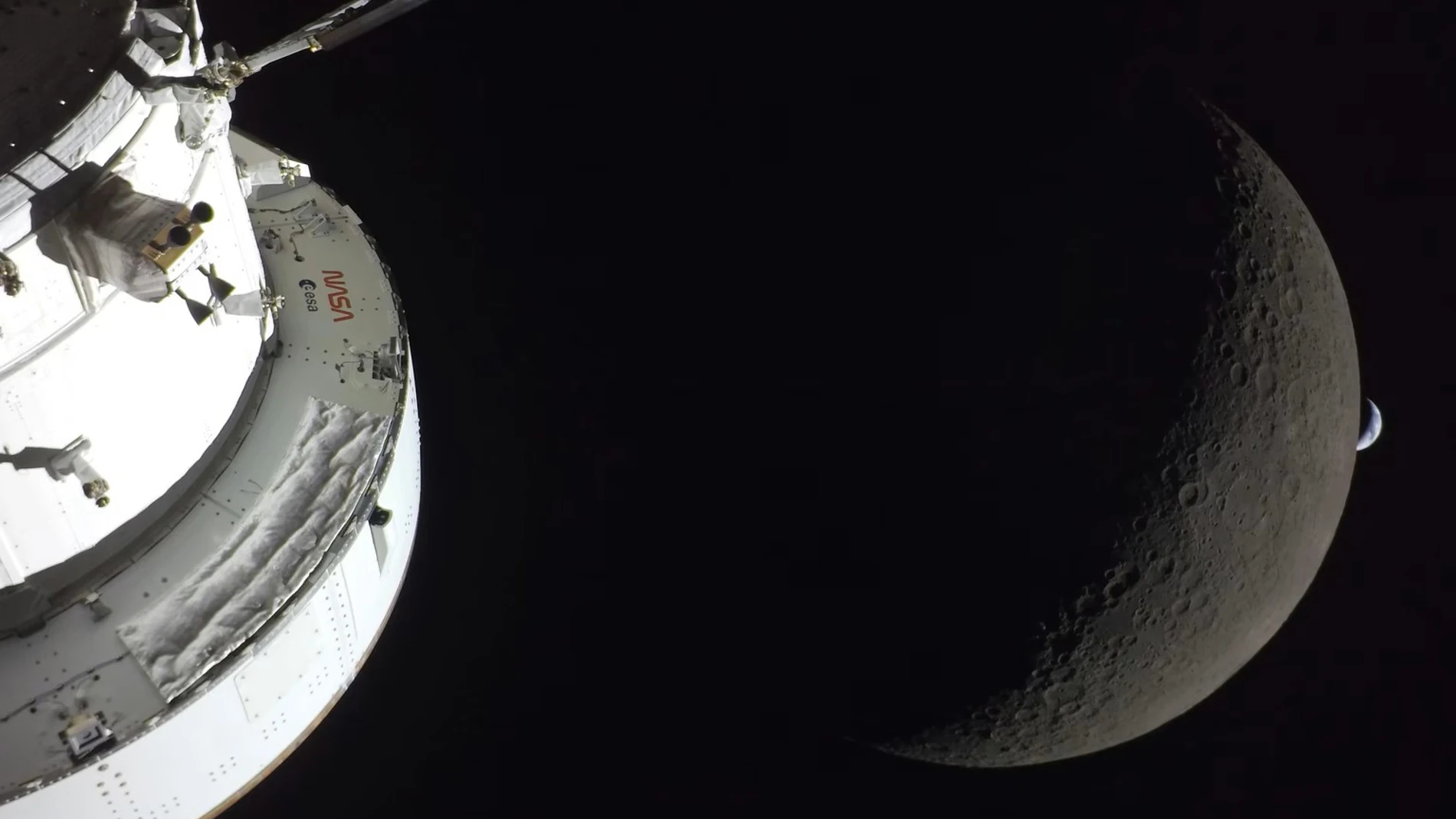
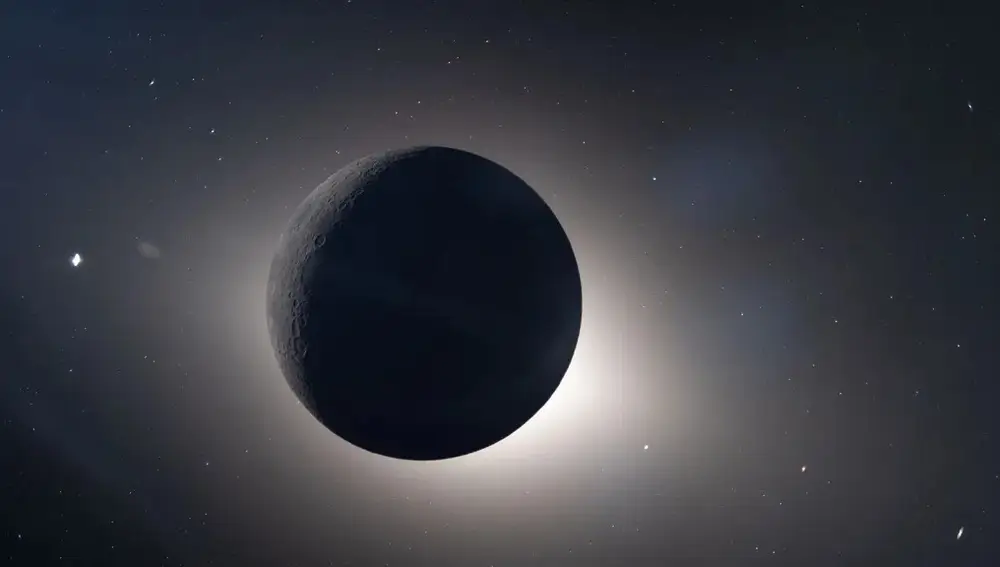
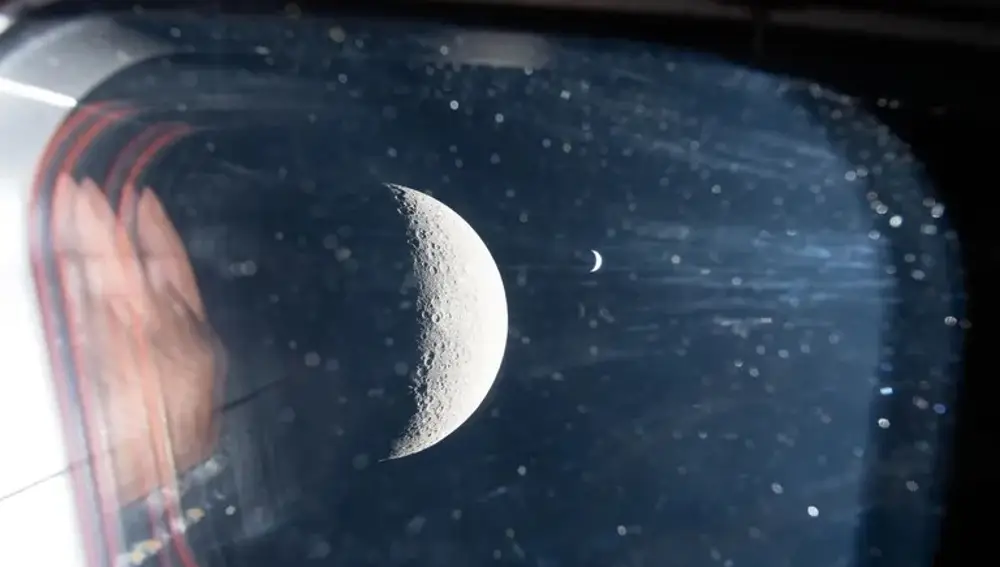
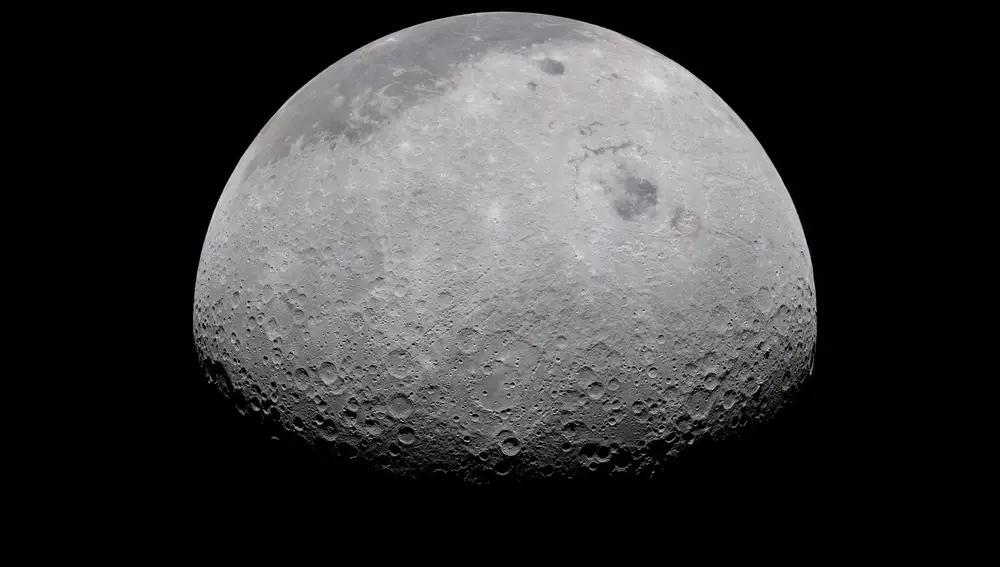
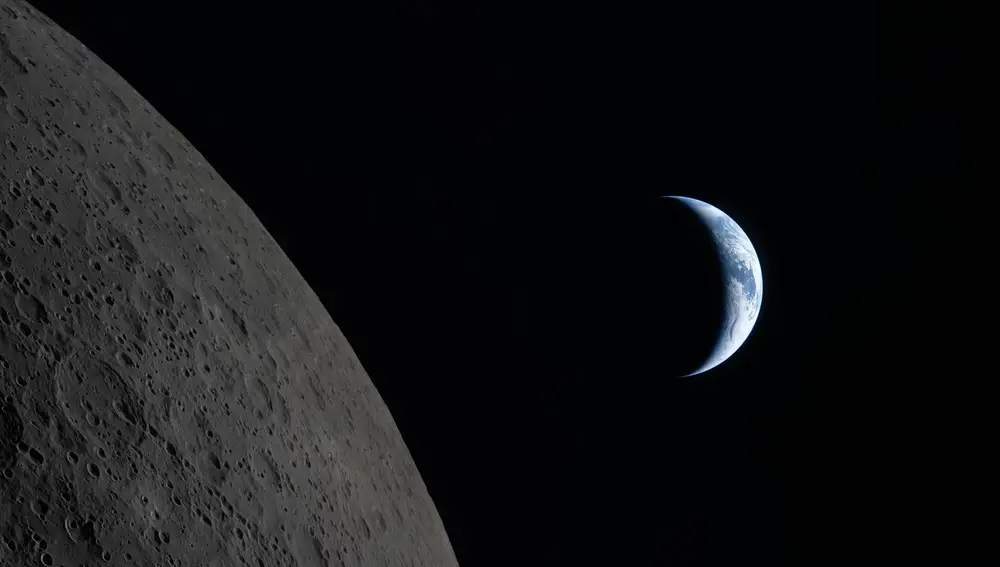
One might assume that the life of an astronaut while traveling to Moonflies over it and returns to the Land She must be quite busy with all kinds of mission-related tasks. Not so much that one of its main activities is going to be the same as that of a tourist who arrives at the place he has always wanted to visit and wants to immortalize everything he sees.but that’s what those of Artemis II. The proof is in the more than 12,000 photos which they took, at a rate of more than 1,300 per dayfrom inside the capsule Orion and who has now published the POT.
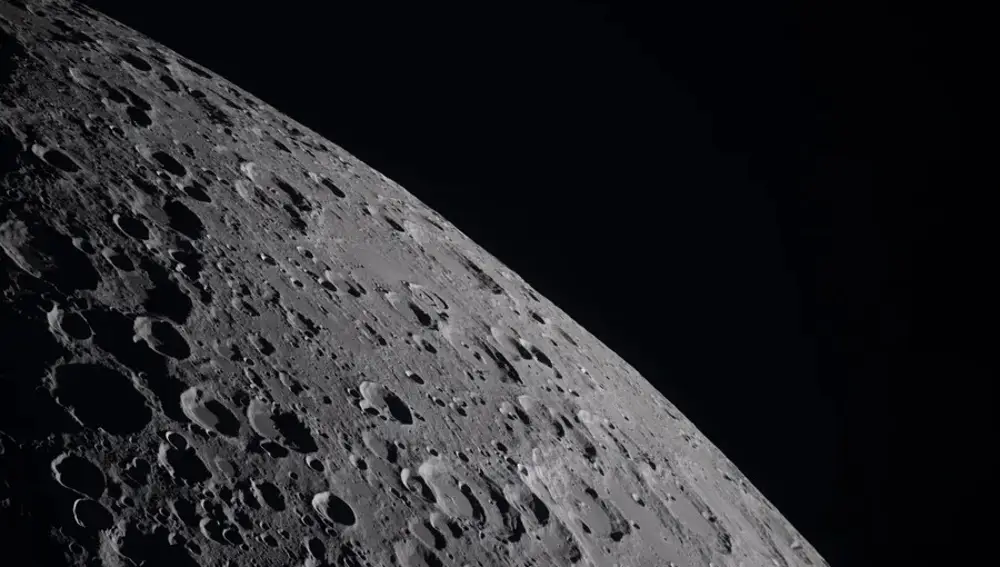
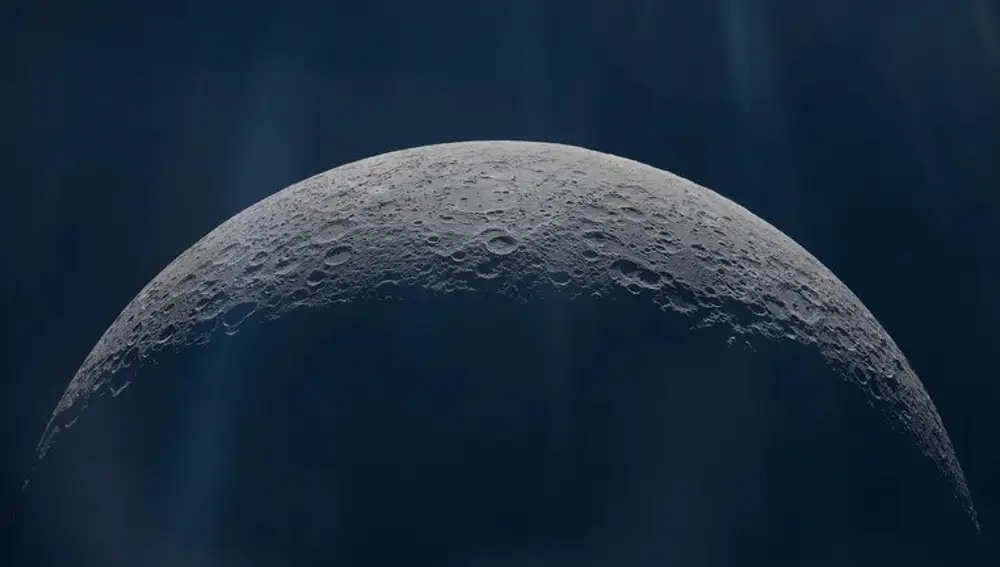
They are spectacular images, in very high resolution, 8K in many cases, that the space agency has uploaded to the photographic archive Gateway to Astronaut Photography of Earth. This website is NASA’s public database that brings together photographs of the Earth taken by astronauts from manned spacecraft, especially from the International Space Stationalthough it also includes historical missions. It has material since 1961, it was launched in 2001 and has not been renewed since then, judging by its nineties design, which is relevant because it’s painfully slow.
The web search engine has not been updated with the Artemis II collection, so it is not useful to find the images. To get to them, you can click on this link or, alternatively, click on the menu ‘Search Photos’ at the top of the website, scroll to the section ‘Search using other methods’where the option will already be selected ‘NASA Photo ID Search’enter the ID ART002 in the search box under ‘Enter NASA Photo ID(s) here’ and click on the button ‘Run Query’.
Here you get a list of 12,217 images of Artemis IIonly with the name of each one linking to the corresponding file. If you want to see it accompanied by a thumbnail to know what you are going to open, in the menu ‘Gateway to Astronaut Photography Query Results Image Gallery Display’ that appears above the results, select the second option. If you prefer to browse the images like a traditional image gallery, the third.
Again, the website is very slow, so don’t despair if it takes a while to return the result or when you try to open the images. The fastest way to browse the web is to use the last option and, if you want to see the image at its original resolution, right-click on it and select ‘Open image in new tab’.
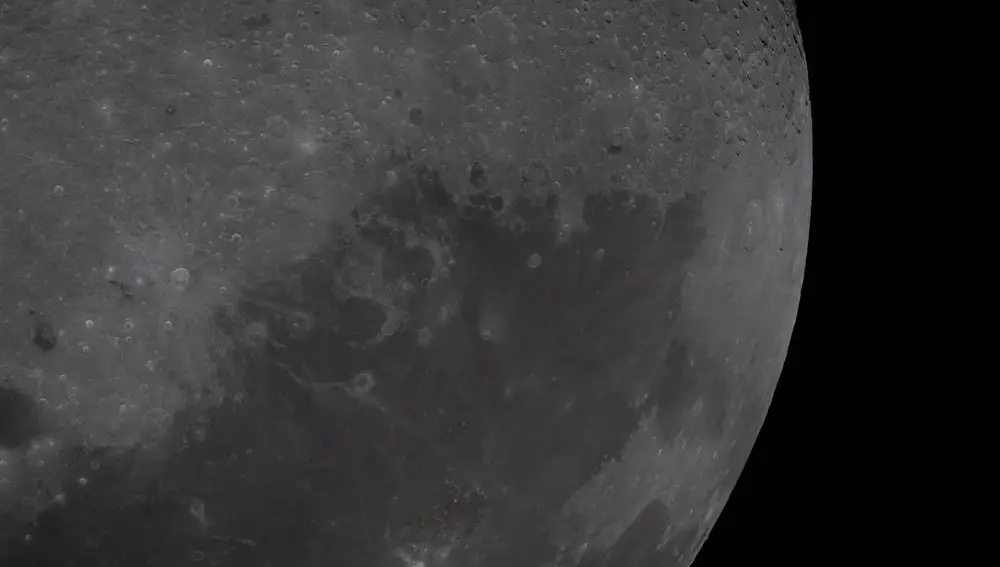
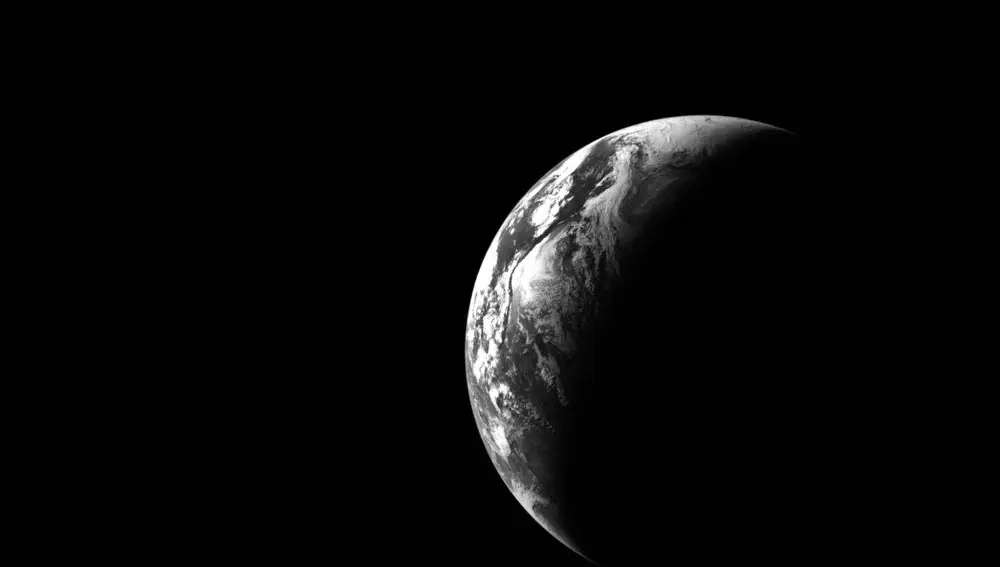
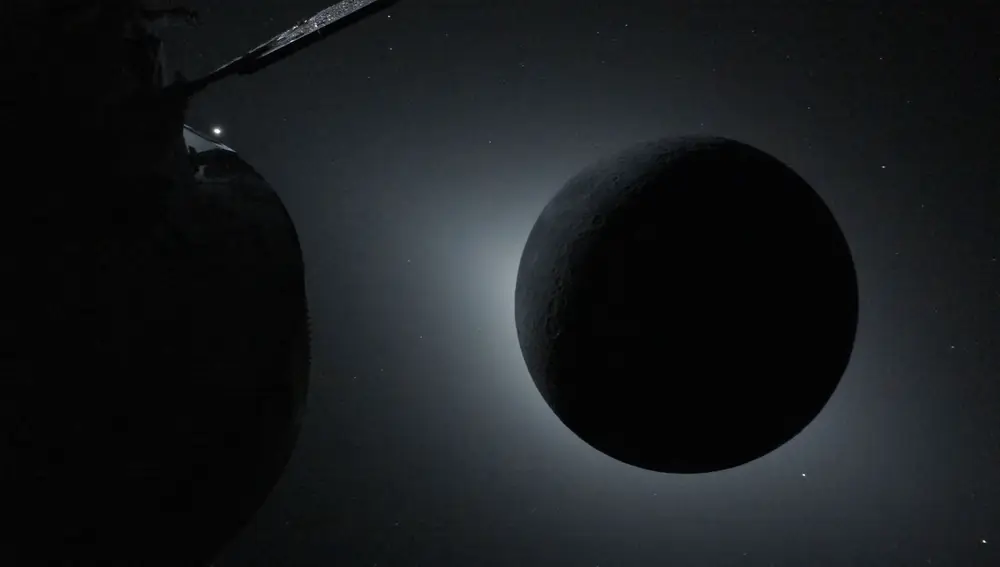
Once all obstacles have been overcome, the user can contemplate an entire space spectacle in which the Moon, the Earth and the Sun are the protagonists. NASA astronauts Reid Wiseman, Christina Koch and Victor Glover and that of the Canadian Space Agency Jeremy Hansen They took the images using two cameras Nikona D5 DSLR and one Z9 mirrorless, iPhone 17 Pro Max and those mounted on the Orion ship itself.