
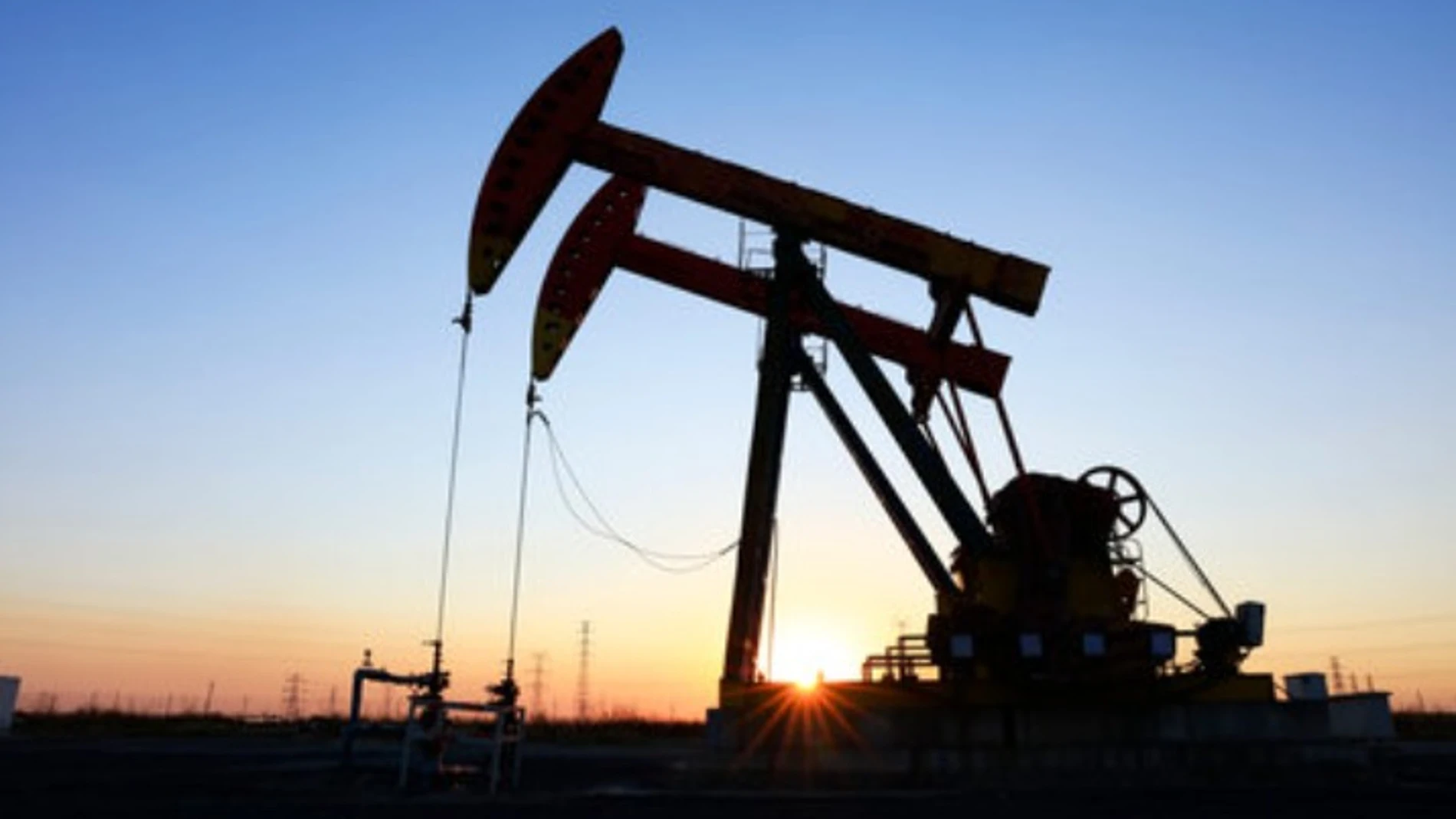
In recent decades, the global debate on the need to leave fossil fuels behind has acquired crucial importance. With the climate emergency, the international community faces the increasingly pressing need to face the challenge of transforming energy systems so that reduce greenhouse gas emissions to limit global warming.
In this search for solutions, the Colombian city of Santa Marta recently became the epicenter of the global debate on the energy transition. Representatives from more than fifty countries gathered at the first “Conference on the Transition to go beyond Fossil Fuels”. An unprecedented international meeting, organized with the aim of seeking concrete alternatives to abandon the use of fossil fuels and move towards sustainable energy systems, according to the organizers.
The summit, led by Colombia and the Netherlands, brought together more than 1,500 participants from 57 countries, interest groups and different social and environmental organizations and served for government delegations, experts and representatives of civil society to debate three fundamental issues for the energy transition, the reduction of dependence on fossil fuels, the transformation of energy supply and demand systems and the strengthening of international cooperation.
In all the debates, the participants were convinced that the question is no longer whether to phase out the most polluting fuels, but how to do it as quickly as possible. “The global energy transformation can no longer be postponed and it must be escalated with concrete and coordinated actions.”
Cooperation and open dialogue
The former president of Ireland, Mary Robinsona renowned defender of climate justice, highlighted the difference of this meeting compared to the traditional United Nations climate conferences. “The COPs are more formal, the negotiators have their red lines and do not cross them, and here it is very different,” he noted, underlining the more open and collaborative climate among the participants.
Traditionally, UN climate negotiations have focused on reducing emissions. However, the Santa Marta conference marked a turn towards the solution of underlying problems, such as the production of fossil fuels and its economic and social consequences. Tzeporah Berman, president of the Fossil Fuel Non-Proliferation Treaty Initiativestressed that this was the first time in thirty years that countries had met to discuss how to achieve a gradual phase-out of these resources.
The financing barrier
How to deal with the financing to carry out this energy transition was identified as the greatest immediate obstacle to overcome. Countries in the Global South face high borrowing costs and limited access to capital, even as renewable energy becomes more affordable. “Financing is key; it is a matter of investment,” he stated. Nick Robins, Director of Sustainable Finance. Berman added that many countries are forced to start new oil, gas and coal projects just to pay off their debts. Robins also warned that traditional macroeconomic responses, such as fighting inflation, could hinder progress toward clean energy.
For Ana Toni, executive director of COP30 in Brazildomestic fiscal constraints and global financial systems are also slowing down the transition and insisted on the need for finance ministers to collaborate to overcome these challenges.
For her part, Mary Robinson highlighted the financial challenges faced by developing countries, many of which need debt relief to begin the transition. “They are trapped in debt and overly dependent on fossil fuels, with few viable alternatives,” he warned.
Although the United States did not participate in the meeting formally, Sarah Izant, assistant secretary for climate policy at the California Environmental Protection Agencyalso put on the table the importance of having regulatory certainty to attract investments and unlock private capital.
Scientific panel
The Conference has also served as a launching pad for the Scientific Panel for the Global Energy Transition (SPGET) whose objective is to support countries in moving towards the elimination of fossil fuels. This panel will facilitate the design of national roadmaps aligned with the Paris Agreement and the 1.5ºC global warming limit, addressing legal, financial and political barriers. In addition, three lines of work have been established to identify concrete ways to reduce dependence on fossil fuels and strengthen cooperation.
Support for the Summit
A total of 14 countries belonging to the European Union (EU), including Spain, have launched a joint statement in which they have expressed their “firm support” for the Conference and have valued the “leadership” demonstrated by the organizing nations, Colombia and the Netherlands.
Among other things, European countries have indicated that the transition towards the progressive abandonment of fossil fuels “can protect the economy and the population from the collateral effects of conflicts, instability and volatility” and, therefore, “reduces vulnerabilities.” Likewise, they have highlighted that multilateralism is “indispensable.”
In his view, the Conference can expand ongoing international efforts to transition away from fossil fuels. Therefore, they are prepared to build “broad and inclusive” coalitions to accelerate the process and deliver “solid” results that bring together partners from developed and developing countries, academia, cities, the private sector, Indigenous Peoples, local communities, parliamentarians and civil society.
In turn, they consider that the holding of the Conference sends a “clear” signal to companies, financial institutions and multilateral development banks to invest in the energy transition.
Environmental organizations such as WWF, Greenpeace and Ecologistas en Acción have also welcomed the initiative, but are calling for more ambition and concrete actions for the next conference. In this way, the summit is recognized as a first step, but the urgency of a real political commitment is insisted on to achieve an effective and supportive energy transition in the face of current geopolitical challenges.
Next meeting in Tuvalu
Although without binding commitments, but with progress, the participants in this international conference consider that it “marks a new direction in the climate fight.” The next meeting, scheduled for early 2027, will be co-chaired by Ireland and Tuvalu, a low-lying Pacific island nation that is among the most vulnerable to rising sea levels and has become a global symbol of the risks posed by climate change. Ireland, on the other hand, is a developed European country that has taken a stand in favor of international climate action. For organizers, this combination reflects the intention to build bridges between the perspectives of climate-vulnerable nations and wealthier economies as the process moves forward.