
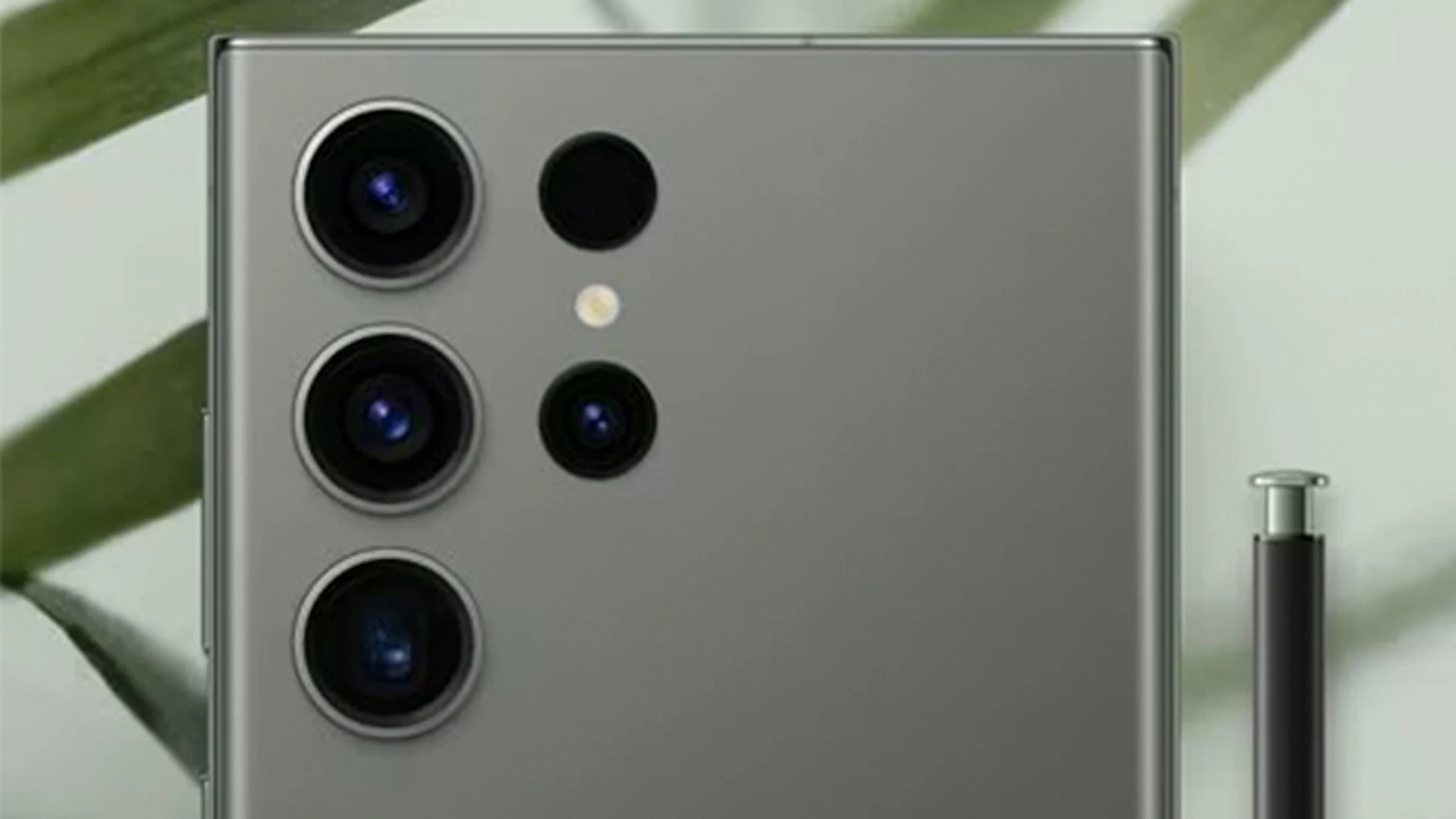
The disaster caused by the sudden increase in the price of memory RAM is leading smartphone manufacturers to look for new ways to balance the cost of components by using cheaper cameras. According to Wccftech, the brands are deliberately downgrading high-end camera sensors and replacing them with more affordable alternatives to address the situation.
RAM memory prices and NANDthe latter used in flash storage, have skyrocketed since September 2025, driven by huge demand from AI data centers. Only in the first quarter of 2026, The cost of memory chips has almost doubled and analysts expect it to rise another 40% in the second quarter of 2026.
Traditionally, the SoC (System on Chip, which integrates the CPU, GPU, NPU and other components) of a phone used to cost much more than RAM and storage. But now, in top-of-the-range devices with 16 GB of LPDDR5X RAM and 1 TB of UFS 4.1 storage, these components are more expensive than Qualcomm’s most powerful high-end chipset, the Snapdragon 8 Elite Gen 5according to the media. According to a Fixed Focus Digital post on Weibo, manufacturers are desperate to reduce the cost per unit, which could translate in installing lower quality camera sensors.
It makes sense, because the camera hardware represents less of the 15% from the bill of materials of a high-end smartphone, compared to between 25% and 30% represented by screens and processors. The price difference between premium and mid-range camera sensors is small compared to the cost of memory. And, since improvements in computational photography have narrowed the gap in image quality, a slightly worse camera setup shouldn’t be a big problem except for mobile photography enthusiasts.
To compensate for using cheaper camera hardware, manufacturers would be investing in the development of image algorithms. Companies like Samsung and Google They already use identical sensors in different premium models, differentiating them mainly through software improvements.
The global smartphone market is expected to fall by 12.9% in 2026, until 1.12 billion unitssince the increase in component costs will force prices to rise and that will curb consumer demand.