
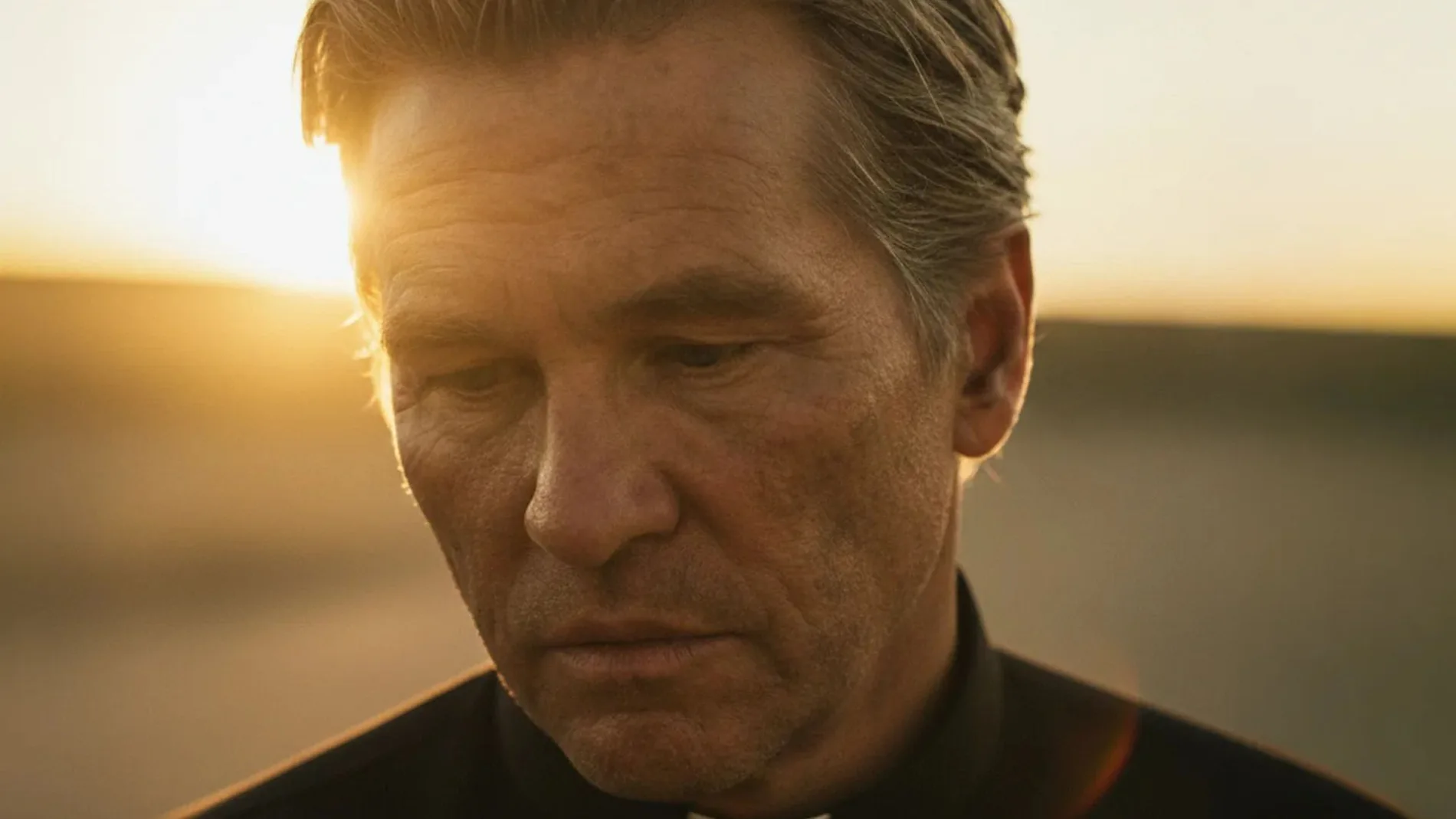
For centuries, art had a clear limit: life. An actor could leave behind one last performance, a writer his last book, a musician his last song. Afterwards, there was the work… and the silence. But that limit has just been broken. Actor Val Kilmer, who died in 2025, will appear on screen again in the film As Deep as the Gravethanks to a recreation using artificial intelligence. He did not film his scenes. He was not part of the cast. And yet, it will be.
The story has something of a paradox. Kilmer had accepted the role before he died, but his illness prevented him from filming it. Years later, his image and voice have been reconstructed from files, recordings and material accumulated throughout his career. The result is not a simple digital cameo. It’s a full, AI-generated performance integrated into the film’s narrative. And here the first conceptual crack appears: who is really acting?
Because the body is artificial, but the gesture belongs to a real actor. The voice may have been synthesized, but it is born from a concrete identity. The interpretation, in a way, is there… but it is also not there. In this case, the actor’s family and legacy approved the use of his image. His daughter, Mercedes Kilmer, has defended the decision as a way to respect her connection to the project and her interest in technology.
In addition, the industry is already beginning to establish standards. The actors’ union requires explicit consent for the use of digital replicas, even after death. But this does not solve the problem. It just moves it. Because consent can exist… and still leave open questions. To what extent can a person decide how their image will be used in the future? Can you anticipate uses that don’t exist yet? Where does the tribute end and the exploitation begin?
Beyond the legal, there is an even deeper conflict: that of creativity. Cinema has always been an art based on presence, just like theater. AI introduces something radically different: the possibility of simulating that presence without the need for the actor. And that changes the rules.
A director could, in the future, work with deceased actors, rejuvenate them, modify their gestures, alter their voices. Not just reconstructing what they did, but creating new interpretations from them. The question then is no longer technical, but almost philosophical: Is it still acting… if the actor is not there?
Finally there is another even more disturbing layer. To recreate Kilmer, the algorithms have been trained with his image, his voice, his movements. That is, with the traces he left throughout his life. In a way, the AI does not “resurrect” you, but rather recombines your digital memory. AND That turns something deeply human like memory into a manipulable matter.
Before, memory was imperfect, subjective, emotional. Now it can be reconstructed with surgical precision… and reinserted in new works. And this, which today seems exceptional, could become common. Studies that manage catalogs of deceased actors. Contracts that include postmortem rights. Performers who, somehow, never stop working. A cinema where time is no longer a limit.
But also a cinema where the risk is different: that creativity relies more and more on what is known, on what already exists, on faces that the public recognizes. A cinema that looks more backward than forward. Kilmer’s case is not necessarily problematic in itself. There is respect, consent and a clear intention of homage. But it is a first step in a direction whose destination we do not know.