
Lime- An international team of entomologists discovered five new species of beetles and a new genre of this animal, the Yuracarus, which inhabit the heights of the Andes of Peru, Ecuador and Bolivia, the Natural History Museum of the National University of San Marcos (UNMSM)located in Lime.
The Peruvian academic institution explained in a statement issued on Tuesday that these findings “redefine” the tree of life of this insect.
The investigation focused on a group of beetles of the subtribu philonthina (Staphylinidae family), which inhabit between 2,000 and 4,000 meters of altitude in the Andes of Ecuador, Peru and Bolivia.
The researchers reviewed the genus Konradus, previously known by a single species, and identified two new Peruvian species: Konradus cuscensis and Konradus TresCrucensis, both found in high Andean areas of the department of Cusco, in the south of the country.
In addition, they proposed the new genus Yuracarus, which receives its name from Yuracaris, the area where the specimens investigated were found.
Within this new genus the scientists assigned three new species, including two also from Cusco: Yuracarus cnsnipatensis and Yuracarus yungurt.
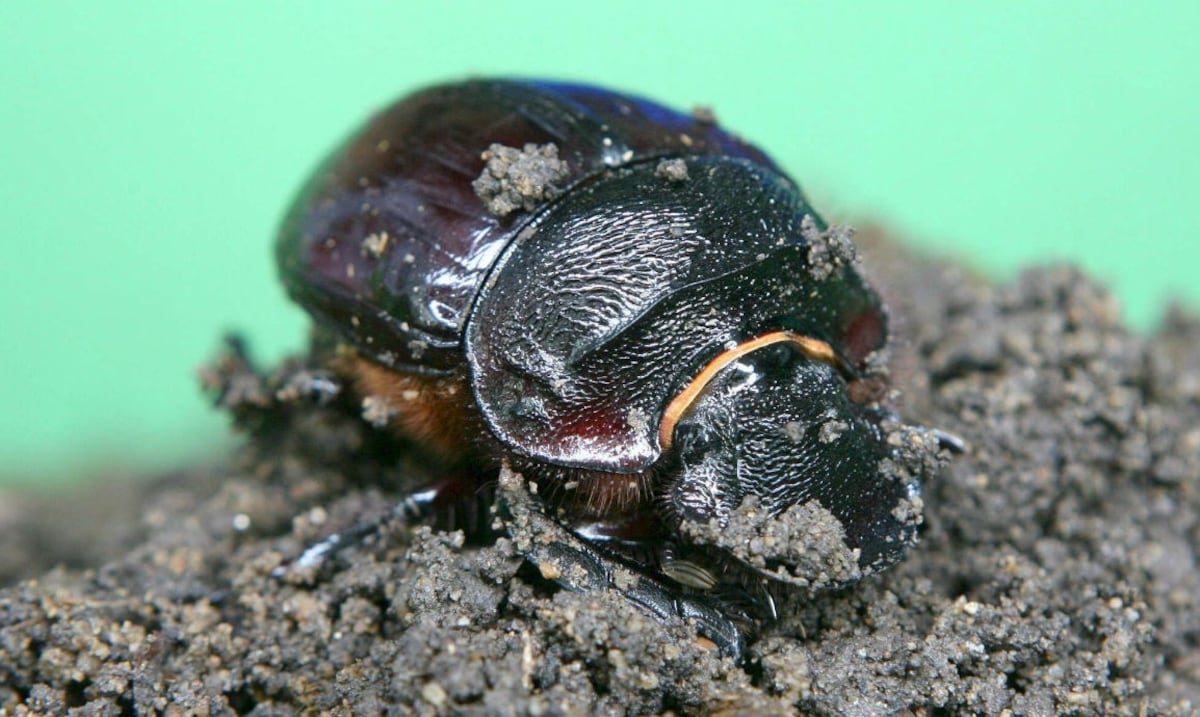
“These beetles have a distinctive morphology, with the metallic body and specific adaptations to the humid climates of mountain forests,” said the Natural History Museum of the Universidad Mayor de San Marcos, the Dean of America.
The work included detailed morphological analyzes and phylogenetic reconstructions, which confirmed that Konradus and Yuracarus form a unique lineage within the Neotropical Philonthine.
“In addition to the scientific value, this discovery underlines the importance of conserving the ecosystems of the Andes Tropical, considered one of the main hottspots (hot spots) of biodiversity of the planet, ”added the disseminated information.
The exploration, led by the researcher of the Entomology Laboratory of the Argentine Institute for Research in the Arid Areas, in Argentina, Mariana Chani-Posse, was attended by the member of the Entomology Department of the Natural History Museum of the UNMSM, Maryzender Rodríguez-Melgarejo.
“This work represents a successful example of international scientific collaboration, with leadership of South American researchers, and highlights the still unexplored wealth of high Andean ecosystems,” the statement concluded.