

This year the first images of the J-36 and the first details of the F-47. Are SIXTH GENERATION fighters developed, respectively, by China and USA that represent a significant leap on the previous generation and redefine what will be the air war of the future. More based on furtive abilities of aircraft, with more sensors, long -range weapons, artificial intelligence and cooperation between manned fighters and unmanned drones.
Not only China and the United States work in sixth generation combat airplanes. United Kingdom, Italy and Japan develop the Tempest within the initiative GCAP or Global Combat Air Program. Europe also works on the program Future Fuat Air Systemin which they participate France, Germany and Spain. Russia, India, Brazil and Sweden They are other countries that have announced that they have their own plans for sixth generation fighters.
What are generations of fighters
The fighters are grouped by generations according to the technologies that incorporate into the battlefield. The First generationafter World War II, he introduced reaction engines with models such as F-86 Sabre and the MIG-15.
The second added infrared radars and missiles, with fighters such as F-104 Starfighter.
The third improved reaction engines that became Turbofánmore effective and silent, which allowed greater versatility in the missions they could perform.
The Fourth generation (F-16, Su-27) introduced digital flight controls, new more advanced materials and plane.
The Fifth (F-35 Lightning II, J-20 Mighty Dragon) added furtive technology that makes them more difficult to detect, powerful radars and software and sensors for real time understanding of the combat environment.
What characterizes a sixth generation hunt
Unlike their predecessors, focused on speed and agilitysixth generation fighters are designed to survive and win in another type of conflict. They will be more difficult to detect, fly further and coordinate with drones in combat. Can be considered, to some extent, air control centers.
These fighters will wear new shapes, coatings and systems to avoid radars and sensors. They will have engines that give them greater scope and power to operate advanced systems. In addition, they will no longer fight alone: They will fly next to squire drones that can perform recognition, electronic warfare or direct attacks.
The artificial intelligence It will be key to plan missions, select objectives and dodge threats. The pilot will be more a commander than a simple operator and, in some cases, not even essential, since The fighters will have autonomous flight capabilities.
The United States F-47
The F-47, part of the program Next Generation Air Dominance (NGAD), it will be a new generation furtive system manufactured by Boeing. Will fly at speeds above Mach 2 and will have a combat radius of 1,000 nautical miles (1,850 km)50 % more than F-35 and 70 % more than F-22. It is expected to perform its inaugural flight before the current presidency of Donald Trump ends.
Will work next to drones in manned-created missions and will have sensors, electronic war systems and Air-Aire and Air-Earth Armament. Most details, in any case, are classified.
China’s J-36
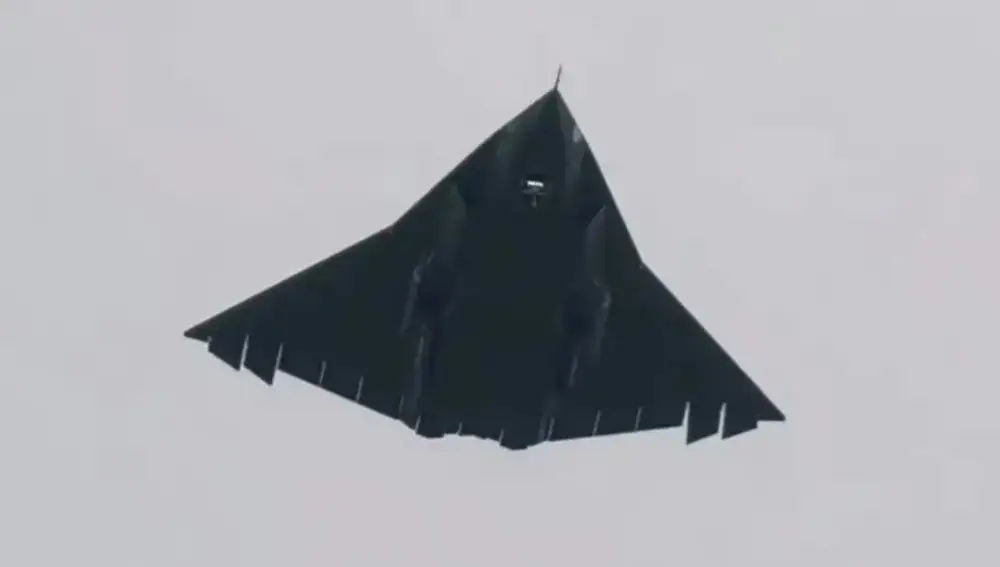
It is estimated that China’s sixth generation hunting measures some 23 meters and weighs between 45 and 54 tonsnotably more than the fifth generation J-20, and has Three engines To achieve greater scope.
Thus, its combat radius would reach the 1,500 nautical miles (2,800 km)which allows you to carry out long -range missions in the Western Pacific. It is designed for Block the airspace of American fighters and bombers such as the B-21 Raiderwhich would operate from a security distance, suppressing aerial defenses and attacking enemy airplanes before they can achieve their goals.
May transport More than 4,500 kg of weaponsincluding long -range missiles and electronic warfare systems. Its systems will allow controlling real -time drones and has high -end radar, powerful computer systems and full spectrum stealth to hide from enemy detection media. Would go into service before 2030.
The GCAP Tempest of Europe and Japan
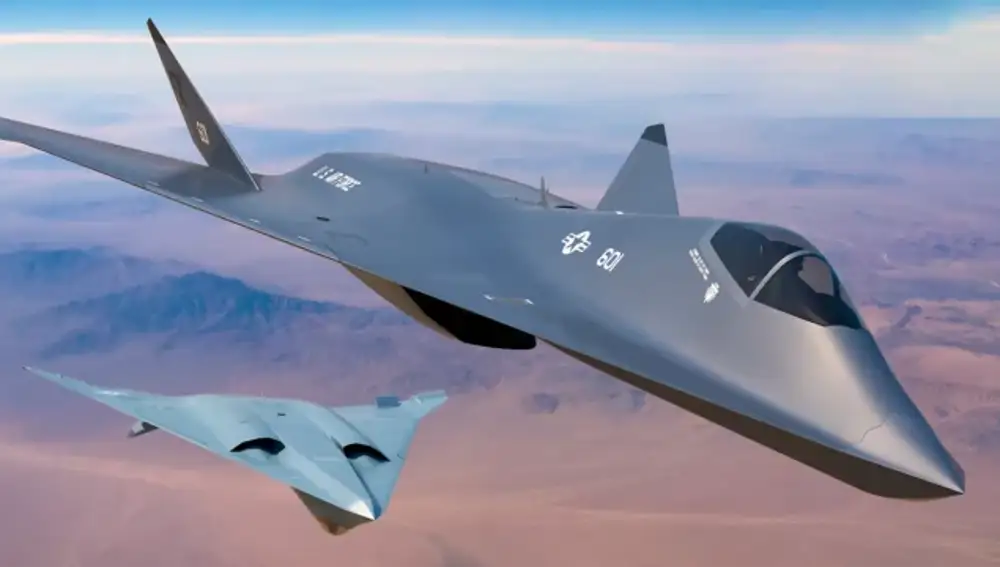
The Tempest, developed by the United Kingdom, Italy and Japan, will replace the Eurofighter Typhoon Around 2035. You can cross the Atlantic without reacing and will also transport more than 4,500 kg of weapons, double that an F-35a.
Will use AI for combat decisions and share information instantly with other systems, integrating into A ‘system system’ that includes satellites, drones and land forces.