
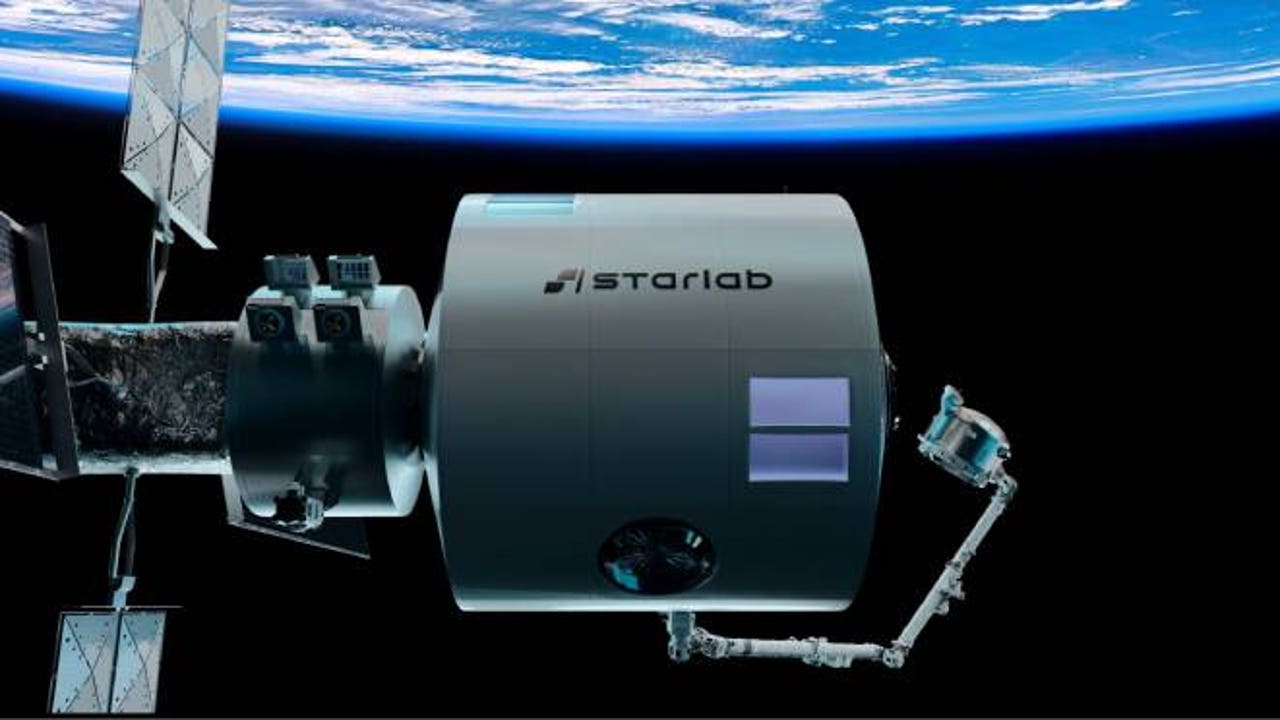
When the International Space Station (ISS, for its acronym in English) comes to an end and will be exorbitant in 2030, a task that will be in charge SpaceXhumanity will have maintained a constant presence in low Earth orbit (LEO) for three decades. How does NASA plan to continue having it afterward? The US space agency has announced that, after a year of preparation, it has finalized its strategy for the post-ISS era, in which it highlights the importance of a ‘continuous heartbeat’ of human presence in Earth’s orbit. While previous efforts depended directly on NASA, the next step will rely on private sector commercial interests to keep the space accessible.
Work on this strategy began in early 2024. In the intervening months, the agency has sought input from NASA employees, government partners, industry, academia, international space agencies, and the public. In total, more than 1,800 comments and 2 group workshops have been carried out. The result is a set of 13 goals and 44 individual objectives in 7 key areas: commercial low-Earth orbit infrastructure, operations, science, technological research and development for exploration, international cooperation, workforce development and participation in science, technology, engineering and mathematics (STEM), and public participation.
‘As we approach the retirement of the International Space Station in 2030, these goals are a critical next step to solidify US leadership in space. Our consultation with industry, academia and international partners has helped refine a visionary roadmap to our future in low Earth orbit, which will be made possible by continued human presence. Together, we ensure that the benefits of space exploration continue to grow, advancing science, innovation and opportunities for all, while We prepare for humanity’s next great leap to explore the Moon, Mars and beyond‘, says the deputy administrator of NASA, Pam Melroyin a statement.
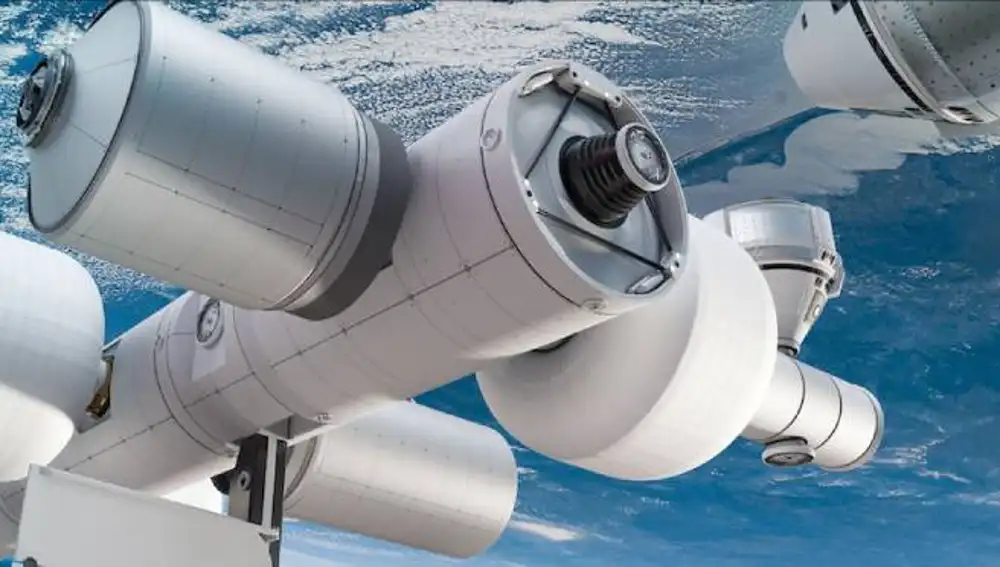
The strategy focuses largely on investment in low orbit launch and habitability technologies developed by the private sector. NASA points out that the Short-term missions, lasting between 30 days and six months, will not provide the necessary opportunities to conduct research related to lunar and Mars operations. Therefore, to ensure reliable access to and utilization of low Earth orbit, it is necessary a diversity of suppliers that operate at a regular cadence.
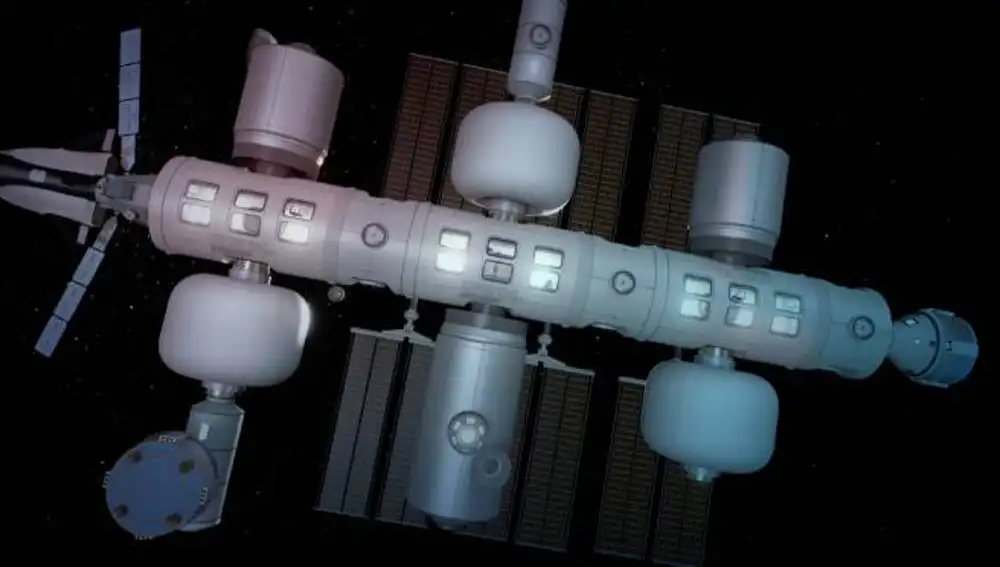
Long-term missions that can serve that purpose will require new orbital facilities. The proposals of Blue Origin, Orbital Reef, and Voyager Space, Starlabhave entered the planning stage, but progress is slow. With NASA’s goals already defined, these projects and others like them could be accelerated.

NASA’s main objective is expand human space exploration to new frontierswith plans for lunar operations and a path to Mars. The agency is particularly interested in investigating how biological systems work in microgravity, the environment in which most of a trip to the Moon or Mars takes place.
The microgravity environment in low Earth orbit provides a cost-effective and easily accessible testing ground for technologies and research. This is essential not only to better understand human physiology in space, but also to continue research on growing food in spacean element present on the ISS since its first days. According to NASA, A continued human presence in LEO is essential to develop advanced technologies, science and achieve. The proposed commercial facilities will offer scientists the opportunity to develop and test technologies that will make deep space exploration possible.